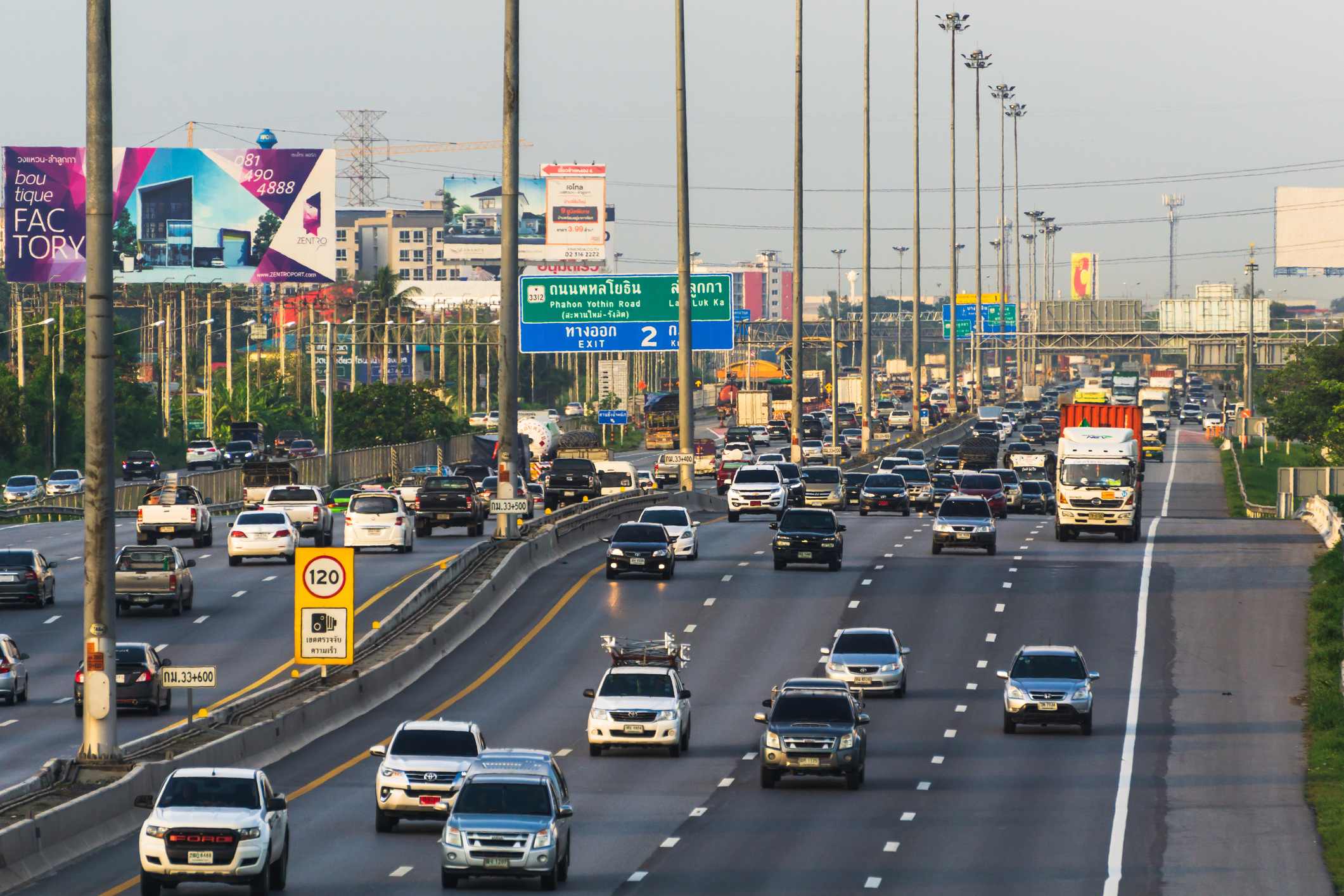
While the Thai government pushes for the use of B20 diesel during the global oil crisis, 13 carmakers confirm its compatibility across more than 1,000 models.
A new alternative
The global oil crisis has pushed the Thai government to encourage its citizens to turn to alternative fuels, specifically B20 diesel. B20 diesel is a blend of diesel and between 6 to 20 per cent biodiesel or methyl ester. A “cleaner” alternative to traditional diesels in the market, the methyl ester is obtained from palm oil.
For the Thai government, redirecting its citizens to use of B20 biodiesel can curb crude oil imports and reduce the country’s total carbon emissions and PM2.5 dust pollution. According to the Bangkok Post, a majority adoption of B20 could save Thailand up to THB 72 million annually (AUD $3 million) in import costs.
Currently, B20 is available at around 600 fuel stations across Thailand. The Thai government aims to expand B20 availability to 1,000 stations within the month. To further encourage Thai motorists, the government priced B20 cheaper than regular diesel, at THB 35.20 (AUD $1.51) per litre.
Partnering up
In partnership with the Thai government, the Thai Automotive Industry Association (TAIA) confirmed their support for the B20 initiative. Members of TAIA confirmed more than 1,135 of their models are compatible with B20. The vehicle original equipment manufacturers (OEMs) that confirmed B20 compatibility are:
- Toyota
- Isuzu
- Mazda
- Mitsubishi
- Ford
- Nissan
- MG
- Hino
- Hyundai
- Scania
- Great Wall Motor (GWM)
- UD Trucks
- Volvo Trucks
- MAN
- Chevrolet
These manufacturers have confirmed that warranties will remain intact and that the use of B20 will not impact their vehicles’ performances.
Furthermore, deputy director general of Thailand’s Department of Alternative Energy Development and Efficiency (DEDE) Adisak Choosuk assured the public that the country has sufficient raw resources to maintain B20 production.
Did you find this article interesting? Click the ‘heart’ button above to give it a ‘like’!