The National Heavy Vehicle Regulator (NHVR) is urging heavy vehicle and bus operators travelling through New South Wales’ alpine regions to prioritise vehicle safety after recording a sharp increase in major defects during recent winter compliance operations.
New NHVR data shows the number of major defects identified in heavy vehicles operating in the state’s ski fields almost doubled between the 2024 and 2025 snow seasons, with early 2026 figures suggesting the trend is continuing.
Major defects rise sharply
During winter operations, the NHVR recorded an increase in total vehicle defects from 1,561 in winter 2024 to 1,682 in winter 2025.
More significantly, major defects rose from 107 to 195 over the same period—an increase of approximately 82 per cent.
The regulator said major brake, wheel and tyre-related defects were among the most common issues identified, indicating some operators were falling behind on routine vehicle maintenance.
Year-to-date data also points to the trend continuing, with 650 individual defects detected during June 2026 alone.
NHVR urges operators to remain vigilant
The NHVR carries out targeted safety and compliance operations across New South Wales’ alpine regions each year between June and August, when traffic volumes increase as visitors travel to the snowfields.
“Any injury or loss of life is tragic, but when buses are involved in road accidents, the potential for injury or loss of life is significantly increased,” said NHVR Chief Operations Officer Paul Salvati.
“Most experienced coach operators transporting passengers to the slopes have appropriate processes in place to manage safety risks like driver fatigue and vehicle maintenance, but smaller, seasonal operators may not be aware of their responsibilities.
“Coach drivers must abide by the same rules and regulations around fatigue management as other heavy vehicle drivers, including rest periods and work diaries.”
Winter conditions increase safety risks
While snowfall has been relatively limited at the start of the season, the NHVR said forecast heavier snow and increased visitor numbers are expected to place additional pressure on the road network.
“As soon as significant snow falls are recorded on the ski fields, heavy vehicle drivers will be sharing the roads with many more light vehicle drivers as people head to their snow and ski destinations,” Salvati said.
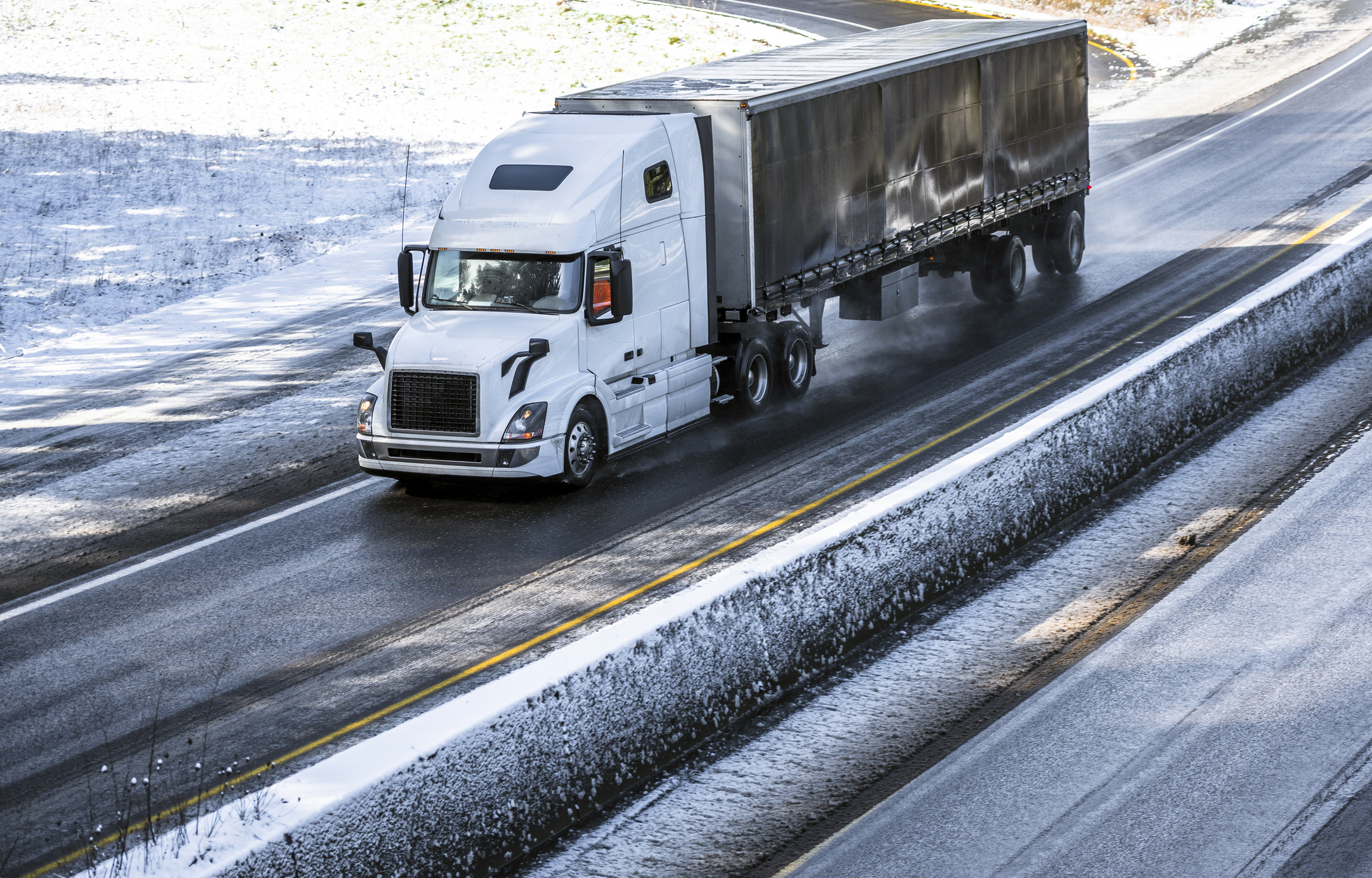
“Even without heavy snow, alpine weather conditions can change quickly, with sleet, rain and ice making it more difficult for heavy vehicles to manoeuvre – this is when drivers need their brakes and tyres to perform.
“Patience, driving to the conditions and carrying out pre-trip vehicle safety checks will go a long way to ensuring these roads are safe for all users this winter.”
Salvati said winter driving conditions place additional strain on critical vehicle components, particularly brakes, wheel bearings and tyres, making daily inspections essential before commencing a journey.
“Daily vehicle checks are imperative prior to commencing your journey and failing to do so could very well change the outcome of your life and other road users.”
The NHVR conducts compliance and education activities in alpine regions throughout the year and works alongside state police and national parks agencies to improve road safety and ensure operators understand their obligations under the Heavy Vehicle National Law.
Did you find this article interesting? Click the ‘heart’ button above to give it a ‘like’!