Australian motorists could be underestimating how much their next car will cost to run, after new independent testing found significant differences between advertised figures and real-world performance.
The Australian Automobile Association (AAA) says its latest results show many new vehicles use more fuel or deliver less driving range than what is listed on official labels.
Real-world results diverge from lab figures
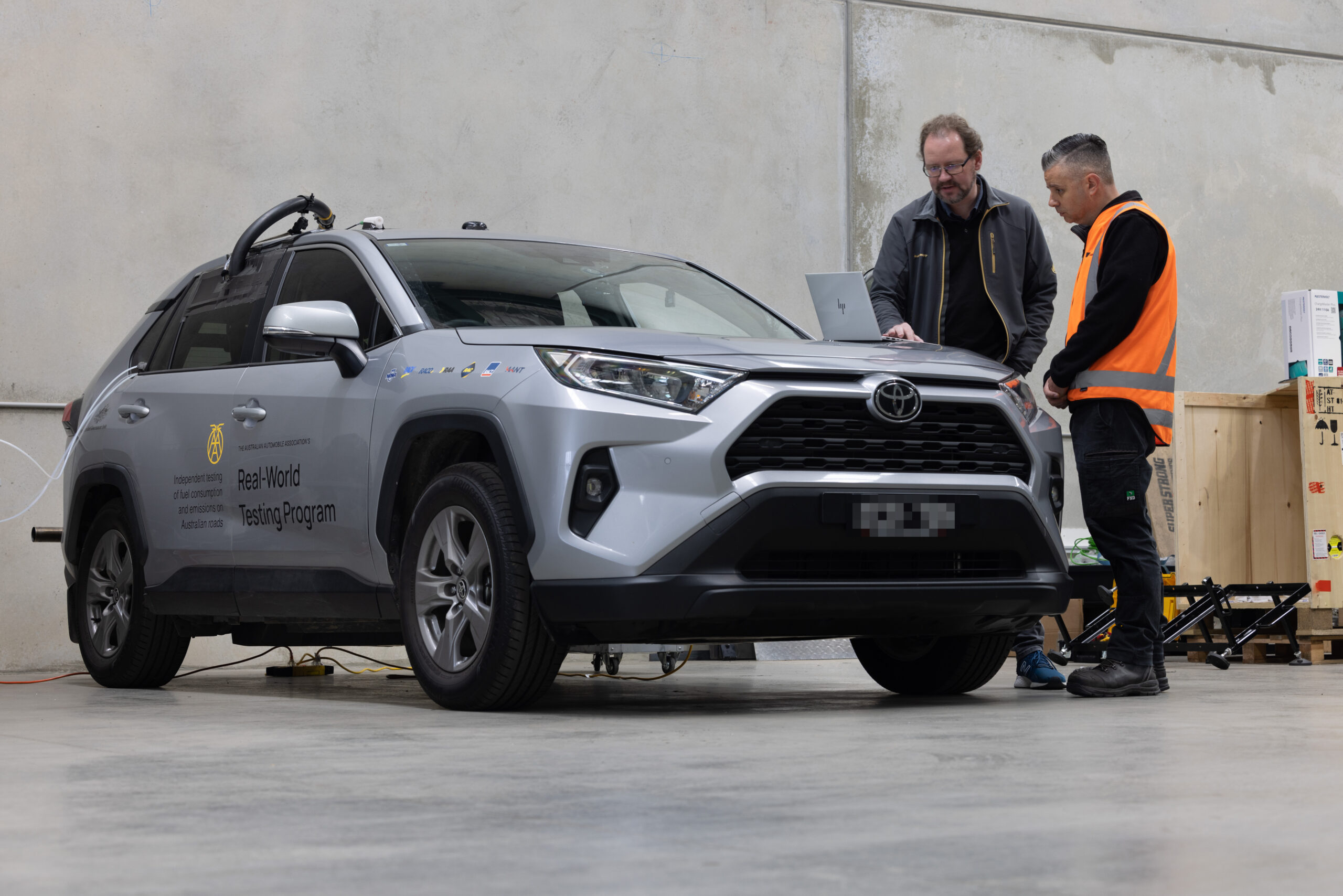
The AAA’s Real-World Testing Program, which assesses vehicles on Australian roads, has now tested 154 petrol, diesel and hybrid models since 2023. More than three-quarters recorded higher fuel consumption than their laboratory-tested figures.
Among the latest results, the GWM Haval Jolion Hybrid showed the largest discrepancy, using 27 per cent more fuel than advertised. It recorded 6.5L/100km in real-world conditions compared to a claimed 5.1L/100km.
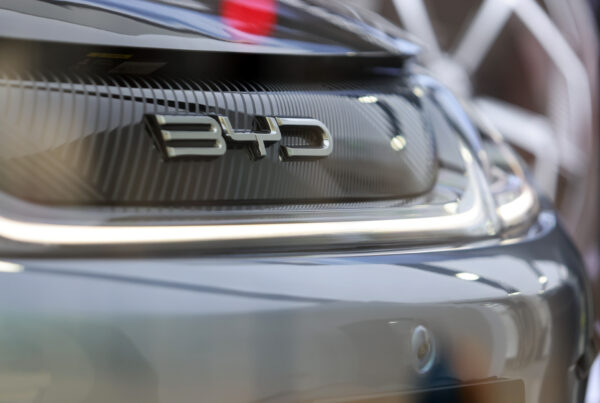
Electric vehicles also fell short of expectations. All 15 EVs tested to date failed to match their official driving range, with shortfalls ranging from 3 per cent to 31 per cent. The BYD Dolphin recorded a 24 per cent gap, achieving 313 km compared to its stated 410 km range. The Kia EV5 came closest, within 3 per cent of its claimed range.
Cost clarity under pressure
AAA Managing Director Michael Bradley said the findings highlight the need for clearer, real-world information for consumers.
“Now more than ever, it’s critical that Australian consumers know exactly how much fuel a car will actually use, how much they will cost to run, or how far they will go on a single charge.
“The current fuel crisis has heightened awareness that carmakers are highly incentivised to build cars that perform very well in the laboratory test used to regulate vehicle emissions, but that most of these same cars perform very differently when driven in the real-world.
“Australian car buyers are right to be deeply sceptical of the fuel consumption information carmakers are providing, and this Program is playing a critical role in helping Australian businesses and families save money.”
EV buyers seek certainty
The results come as interest in EVs continues to grow, but concerns around range remain a key barrier.
“Our polling shows 60 per cent of people identifying as likely EV buyers say range anxiety is the factor stopping them from choosing an EV, so giving them independent information on real-world battery range tells them which cars perform best, so they can worry less about running out of charge.”
“These results give motorists wanting to make the switch to an EV guidance that can help them make a purchase with confidence.”
Transparency in a changing market
The program was introduced following the Volkswagen emissions scandal and aims to provide independent verification of vehicle performance as emissions regulations tighten under Australia’s New Vehicle Efficiency Standard.
Bradley said the goal is not only to support stronger emissions policy, but to ensure improvements are reflected in everyday driving.
“The Real-World Testing Program was created in response to the Volkswagen scandal, which revealed how the German auto giant wilfully misled 11 million of its own customers as well as emissions regulators across the globe, by cheating laboratory tests used to police environmental rules”.
Did you find this article interesting? Click the ‘heart’ button above to give it a ‘like’!