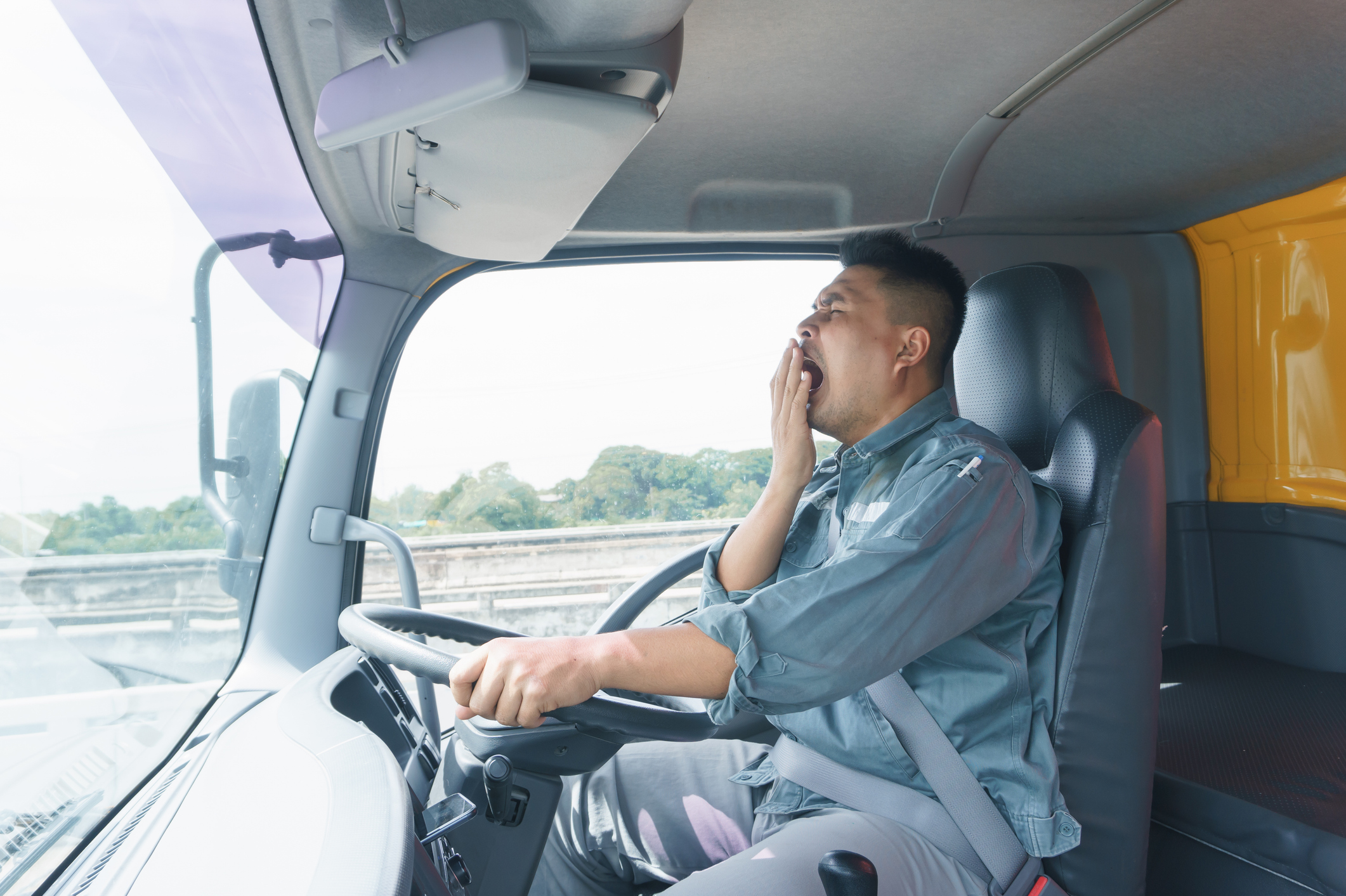
Driver fatigue is becoming an increasing road safety concern in Victoria, with new survey data revealing a growing number of motorists are getting behind the wheel while dangerously tired.
The latest annual Road Safety Monitor from the Transport Accident Commission (TAC) found that 31 per cent of drivers aged 26 to 39 admitted to driving while “so tired they struggled to keep their eyes open”. This is a six-percentage-point increase since 2022.
The findings come despite an overall decline in several other high-risk driving behaviours, including drink driving.
Dangerous behaviours shifting rather than disappearing
The survey of more than 2,000 Victorian motorists found rates of fatigue-related driving remained stable or declined across all other age groups, making the increase among drivers aged 26 to 39 particularly notable.
The findings follow recent research from Monash University, which reported that 90 per cent of new parents had driven while fatigued.
At the same time, the TAC report found significant improvements in drink-driving behaviour.
The proportion of drivers admitting to driving over the legal blood alcohol limit fell from 6 per cent in 2017 to 2 per cent in 2025.
The most significant reduction was recorded among drivers aged 18 to 25, where the rate of drink driving fell from 5 per cent in 2022 to 2 per cent.
The survey also found fewer Victorians were consuming alcohol in general, with the largest decline occurring in rural areas, where the number of licence holders reporting alcohol consumption fell by 12 per cent compared with 2022.
Multiple risky behaviours increasing crash risk
Although individual dangerous driving behaviours may be declining, the TAC warned that many motorists continue to combine multiple high-risk behaviours behind the wheel.
More than 40 per cent of drivers admitted to both using a hand-held mobile phone and exceeding the speed limit by more than 3 km/h.
The report also found that fatigued drivers reported using mobile phones while driving.
TAC Chief Executive Officer Tracey Slatter said combining risky behaviours significantly increased the likelihood of a crash.
“These findings are a stark reminder that dangerous driving behaviour puts lives at risk,” Ms Slatter said.
“Every dangerous choice, whether it’s speeding, distraction, fatigue or alcohol, raises your risk of a crash and combining them multiplies the danger.”
Behaviour change remains critical to reducing road trauma
Ms Slatter said the findings highlighted the importance of understanding why drivers continue to engage in unsafe behaviour.
“While most people intend to do the right thing, many make poor choices when under time and other pressures, and the Road Safety Monitor reinforces where we need to focus our behaviour change efforts,” she said.
“Reducing road trauma in Victoria means tackling the full picture of driver behaviour, because multiple risky habits can quickly add up with devastating consequences.”
Did you find this article interesting? Click the “heart” button above to give it a like!