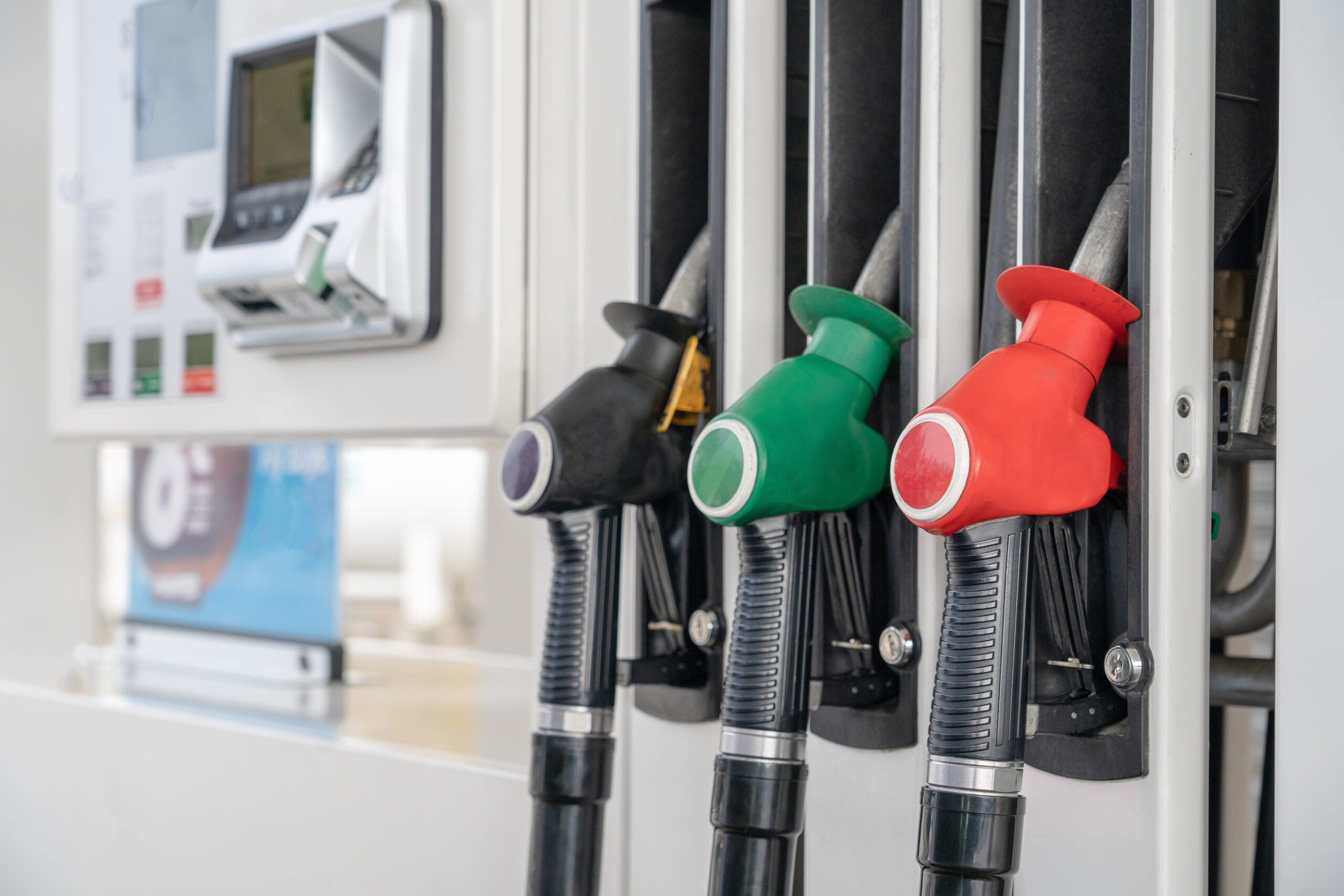
The New Zealand Government has detailed how fuel would be rationed under its National Fuel Plan, setting out a phased approach to manage potential supply disruptions.
The framework includes four escalation stages, with the country currently at phase one, where no restrictions apply, and normal market conditions remain in place.
Phased approach to fuel management
Under phase two, households, businesses and the public sector would be encouraged to reduce fuel use. Later stages introduce stronger intervention, with phase three prioritising fuel for essential and life-preserving services, and phase four implementing tighter controls over distribution.
Nicola Willis, New Zealand’s Finance Minister, said the plan is designed to prepare for uncertainty in global fuel supply.
“While there is currently no need for fuel restrictions, the public can be assured that the government is planning carefully, acting early and making sure New Zealand is well positioned to respond, whatever the global environment brings,” Willis said.
Focus on supply security
The plan builds on the National Fuel Plan established in 2024 and reflects risks linked to global supply disruptions, including ongoing geopolitical tensions.
Willis said maintaining fuel availability is critical to protecting the economy.
“Ensuring New Zealand has the fuel we need to protect jobs, livelihoods and the wider economy is our first priority in managing the impact of global fuel disruption,” she said.
Industry role and decision triggers
Shane Jones, Minister for Fuel Security, said the framework has been developed in consultation with industry and will rely on cooperation between fuel suppliers and government.
“This is critical because the plan relies on fuel companies cooperating and working constructively with government,” Jones said.
A ministerial oversight group will decide when to move between phases, based on factors including fuel stock levels, supply chain disruptions, export restrictions, and changes in domestic reserves.
The Government said the plan is intended to prioritise essential services while maintaining market-based distribution for as long as possible, only increasing intervention if supply risks escalate.
Did you find this article interesting? Click the ‘heart’ button above to give it a ‘like’!