New Zealand Parliament has passed legislation to temporarily reduce Clean Vehicle Standard charges, preventing additional costs from being passed on to consumers. The changes will take effect from 1 January 2026.
Transport Minister Chris Bishop said the temporary measures were introduced to avoid an estimated $264 million in net charges being added to vehicle prices for households and businesses.
“We’ve acted quickly to put these temporary measures in place to avoid the risk of an estimated $264 million in net charges being passed on to New Zealand households and businesses,” Bishop said.
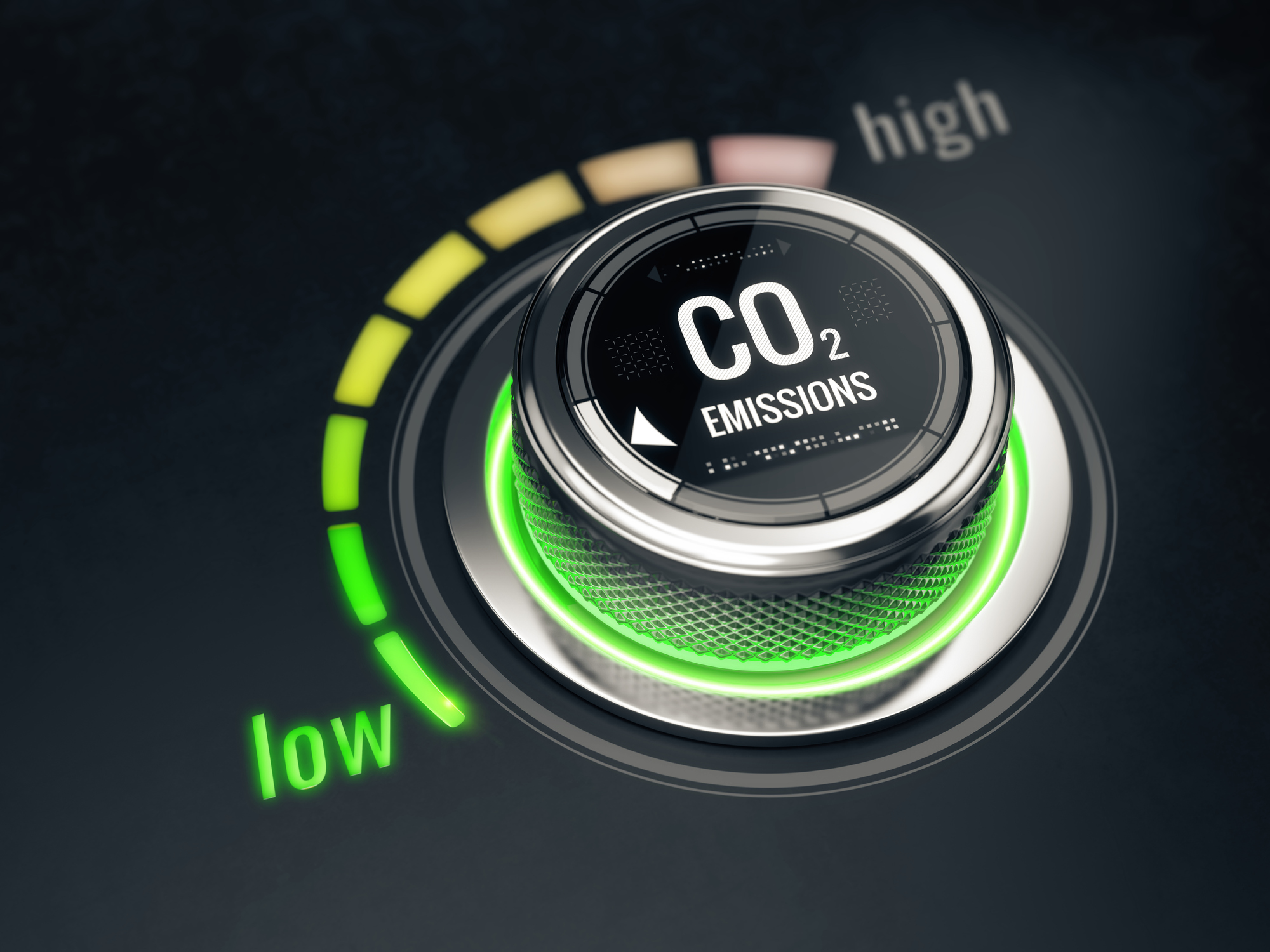
The Clean Vehicle Standard sets targets on vehicle CO₂ emissions, imposing charges on high-emission vehicle imports while awarding credits for low-emission vehicles. The emission targets progressively tighten each year to improve fuel efficiency.
“However, right now the system isn’t working, with 86 percent of importers unable to meet the Standard without incurring additional charges on the vehicles they’re bringing in. The danger is that these extra costs will be added to vehicle prices,” Bishop said.
Temporary reductions and protections
The legislation introduces several key measures for 2026 and 2027:
- Charges are temporarily slashed by nearly 80 per cent: from a top rate of $67.50 to $15 per gram of CO₂ for new vehicles, and from $33.75 to $7.50 for used vehicles.
- Credits are protected, ensuring none expire before 31 December 2028.
- A full review of the Standard will be conducted, with recommendations to Cabinet expected by June 2026.
“These changes will mean that the import penalties applied to many popular vehicles will be significantly reduced. Depending on how much of the charge the importer can offset and how they price their vehicles, Kiwis could avoid thousands on the price of their vehicle,” Bishop said.
“These changes mean Kiwis can still upgrade to cleaner, more fuel-efficient cars, while giving us the space to make sure the Standard is actually workable and delivers a long-term, sustainable path to lower emissions that fits New Zealand’s needs,” he added.
Did you find this article interesting? Click the ‘heart’ button above to give it a ‘like’!