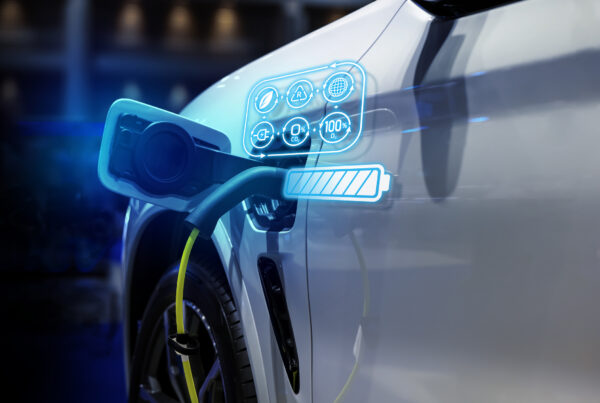

A new electric vehicle (EV) battery from RML Group, the VarEVolt, can fully charge an EV in just 18 seconds. The VarEVolt can supply an EV with 6 kilowatts of power per kilogram, earning a high C-rating and the title of “world’s highest power-density EV battery.”
POWER-CHARGING
The VarEVolt was initially developed for sports cars like the Czinger 21C. Hyper-cars like the Czinger 21C require a strong and fast power supply, which the VarEVolt can more than accommodate. According to RML board member Michael Mallock, the battery is known for “dumping all its power really, really quickly.”
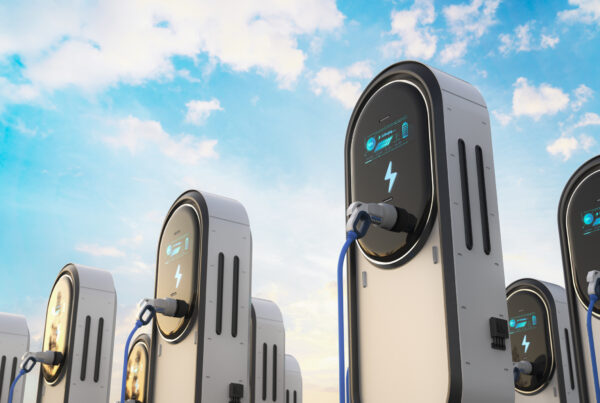
Currently, the world’s fastest EV charger is currently ABB’s Terra 360, which can fully charge an EV in 12-15 minutes and 100 kilometres in 3 minutes of charging. Once mass-produced and distributed, the VarEVolt can easily dethrone the Terra 360 from its title.
READY FOR PRODUCTION
The UK-based firm recently received government certification for the mass production of their newest product. Its Conformity of Production (CoP) certification is the last step RML Group needs before the company pitches to various manufacturers. The VarEVolt has reached an industry standard by meeting the UN ECE Regulation 100, a safety requirement for European vehicles.
“Performance is a key part of what RML offers,” RML executive James Arkell told AutoCar. “Doing this safely, reliably, and repeatably is key to our success, and this certification solidifies that message to the industry.”
“We can focus on range, we can focus on power, or we can balance the two,” said RML Group CEO Paul Dickinson. Though its design is best suited for power-heavy cars, the VarEVolt’s modular design allows manufacturers flexibility to apply it to their models. RML Group also announced that they are in the process of preparing conversion kits for drivers with older vehicles.
For now, the VarEVolt is released for hyper-cars but could very well power mainstream EVs in the near future. The RML Group is limiting their production capacity but is open to increasing this if the demand arises.
Was this article interesting? Leave us a like if so!