Chery Group has opened a new energy vehicle (NEV) assembly plant in Rayong, Thailand, marking a major step in the company’s expansion into Southeast Asia
An official inauguration
With construction beginning in October 2025, Chery’s new Rayong plant was finally inaugurated on 21 April.
An earlier ceremony scheduled for 26 February was cancelled at short notice. According to Chery’s official Thai Facebook page, an emergency involving the presiding chairman prevented attendance, leading the group to postpone the event in order to hold a “proper and appropriate” inauguration.
Plant details
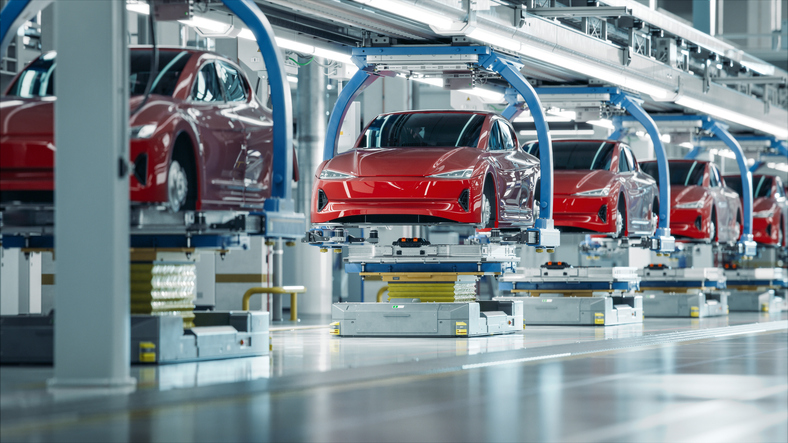
Chery Group invested an estimated THB 5 billion or AUD $214 million into their new facility. The plant is designed to produce 80,000 battery electric vehicles (BEVs) and plug-in hybrid electric vehicles (PHEVs) per year for Chery, Omoda, Jaecoo, and Lepas, both for import and export in Thailand.
It is equipped with “advanced manufacturing capabilities” such as aluminium body-welding and battery production lines.
“Today I would like to reaffirm our Group’s commitment to world-class manufacturing, advanced technology accessibility, and meaningful contribution to global carbon neutrality,” said Chery International Executive Vice President Chen Chunqing at the inauguration ceremony.
The executive emphasised that the Rayong plant is a significant accomplishment for the group’s global expansion and localisation strategy in Thailand. Chery group intends to establish Thailand as a hub for its NEVs in the Southeast Asian region.
Plans for the future
According to Chen, Chery will continue its rollout of its newest models in Thailand. The group is also working on introducing new automotive technology to the Thai market, including autopilot, built-in valet parking systems, and integrated AI.
Thailand’s Minister attached to the Prime Minister’s Office, Supamas Isarabahkdi, attended the ceremony and highlighted the importance of the investment.
According to the Minister, Chery’s investment in Thailand is a significant step toward the country’s target of having 30 per cent of total vehicle production come from zero-emission vehicles by 2030.
She also highlighted that foreign investments such as Chery’s play an important role in advancing Thailand’s long-term clean energy ambitions, accelerating the introduction of new automotive technologies, and supporting local job creation.
Did you find this article interesting? Click the ‘heart’ button above to give it a ‘like’!