The Federal Government has released its new climate goal for 2035, following advice from the Climate Change Authority. The target calls for cutting greenhouse gas emissions by 62 to 70 per cent compared with 2005 levels.
The Authority described the goal as both ambitious and achievable. Chair Matt Kean said the task ahead was urgent but possible.
“This is our moment to be bold, to do what’s right for the environment and the economy for generations to come,” Mr Kean said. “Just as human activity has generated the climate challenge, so can actions here in Australia and elsewhere meet and beat it.”
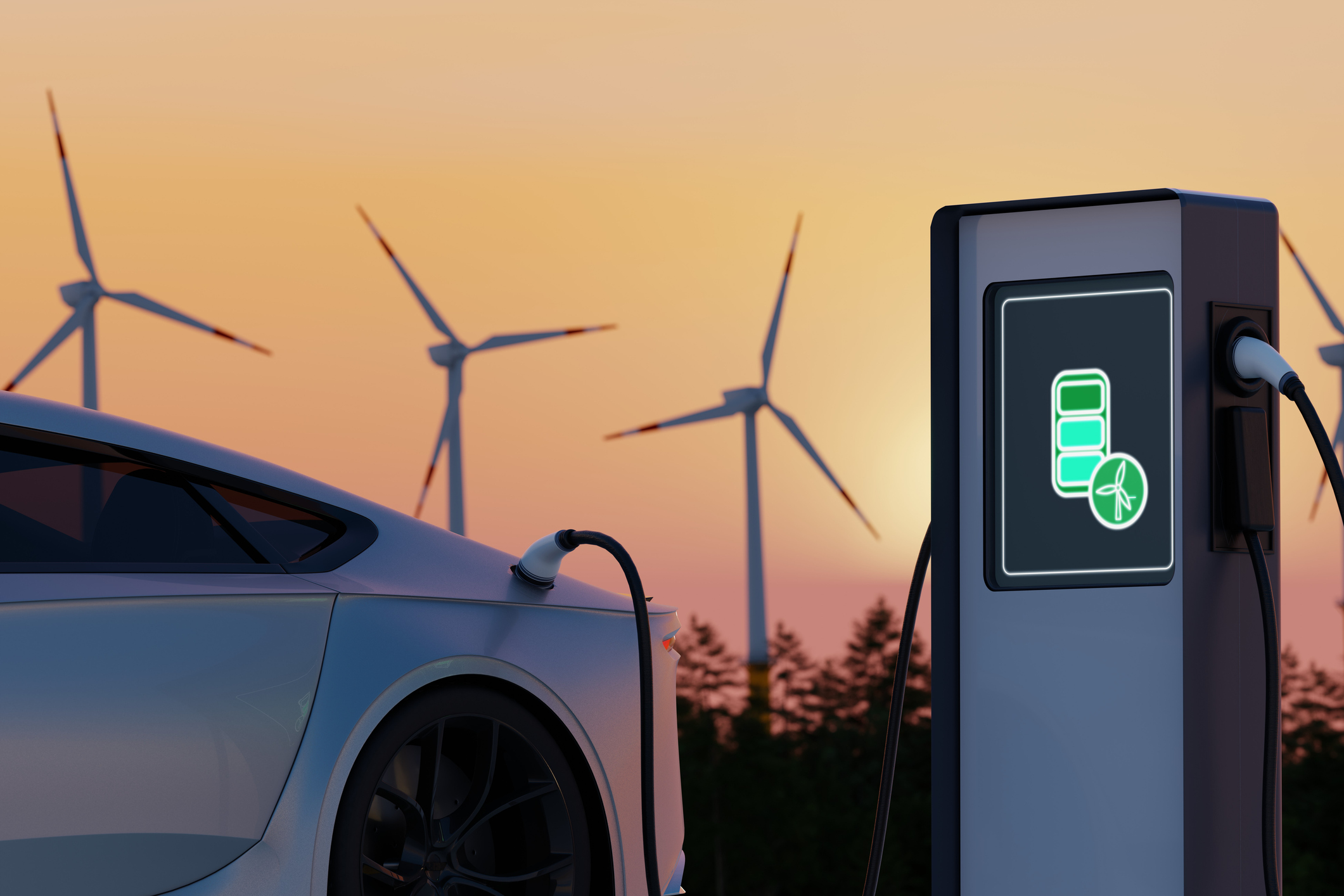
The advice also highlighted Australia’s advantages, including world-class renewable energy and large supplies of critical minerals. According to the report, half of all light vehicles sold between now and 2035 will need to be electric to help meet the lower end of the target.
Automotive Industry Welcomes Goal but Warns of Barriers
The Federal Chamber of Automotive Industries (FCAI) said the government’s climate target shows clear ambition but warned that challenges remain. FCAI chief executive Tony Weber pointed to the New Vehicle Efficiency Standard (NVES), introduced earlier this year, as a vital step.
“Carmakers are continuing to expand the range of low and zero emission vehicles, with more than 100 battery electric models and more than 50 plug-in hybrids now available in the Australian market,” Mr Weber said.
However, he noted that battery electric vehicles (BEVs) make up less than 8 per cent of new car sales so far in 2025. “Consumers are not yet purchasing EVs at the rate that was expected, nor at the rate required to meet the emissions targets,” he said, adding that charging infrastructure and affordability remain key hurdles.
More Investment Needed
The Victorian Automotive Chamber of Commerce (VACC) welcomed the government’s commitment but said the current level of investment is not enough. CEO Peter Jones argued that the $40 million announced for kerbside and fast charging falls short of what is required.
“Forty million dollars, whilst welcome, is simply inadequate to deliver the comprehensive charging network needed across metropolitan, regional, and rural Australia,” Mr Jones said.
The VACC also raised concerns about skills shortages, saying there are not enough EV-ready workshops or trained technicians to meet future demand. The group is calling for expanded incentives for buyers, more training programs, and support for workshops to upgrade their facilities.
Uptake Must Accelerate
The Electric Vehicle Council (EVC) said the 2035 target will require more than 20 times the number of EVs on the road compared with today – over 5 million vehicles.
EVC chief executive Julie Delvecchio said: “Increasing EV uptake is the highway to Australia’s 2035 climate target. To hit the 2035 target, one in every two cars sold within the decade must be electric – that means we need to shift gears and support more Australians to make the switch.”
She welcomed the government’s extra $40 million for charging but called for stronger cooperation across states and territories. She also said the transition must include heavy vehicles and new technologies like vehicle-to-grid systems.
“Fewer emissions, cleaner air, quieter streets, fuel savings, and a more stable grid – that’s the power of more EVs on our roads,” Ms Delvecchio said.
The Climate Change Authority has urged Australia to aim for the upper end of the 62–70 per cent cut, saying every degree of warming matters. While industry groups broadly back the 2035 target, they agree that large-scale investment, infrastructure, and workforce support will be essential to turn ambition into reality.
Did you find this article interesting? Click the ‘heart’ button above to give it a ‘like’!