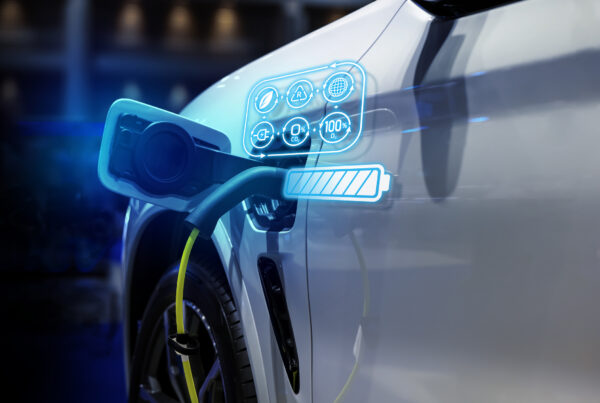

State-owned entity Prasarana Malaysia is set to introduce more than 1,000 electric buses to Kuala Lumpur and Penang.
This move is part of the organisation’s Sustainability Blueprint. One of the goals in this initiative is to electrify 30 per cent of its bus fleet and reduce carbon emissions by 45 per cent by the year 2030.
According to Prasarana’s official statement, the organisation will first obtain a fleet of 310 diesel-powered buses in March 2026. This fleet will be its final fuel-powered fleet before a complete electric transition by 2037. The transition is a key move in Malaysia’s National Energy Transition Roadmap (NETR), which aims to transition the country’s public transportation into green mobility.
“We only have 15 electric buses on the Bus Rapid Transit (BRT) Sunway Line now which have been in service since 2015,” said Prasarana Chairman Tan Sri Mohd Nasir Ahmad.
The additional 1,100 electric buses will be introduced to Prasarana’s current fleet starting from 2025 until 2030. There will also be another fleet of 150 EV feeder buses to service the LRT Shah Alam Line.
TRAINING AND SAFETY
According to Mohd Nasir, Prasarana is also investing in basic training for its staff in handling electric vehicles. Safety training in case of electric bus fires will also be provided in the training regimen.
“Competency will be a key issue in everything we do. Staff will be trained first, from bus crew members to those responsible for understanding fire suppression for electric buses. We will not start electric bus operations unless we are fully prepared. From the briefing earlier, including procedures and policies, we will ensure that everything is properly followed,” said the Chairman.
Prasarana, under Mohd Nasir’s leadership, launched a safety campaign called “My Risk, My Responsibility.” This campaign is about “creating a culture of safety among employees.” As part of the campaign, Prasarana provides its employees with “training sessions, technical briefings, operational risk assessments and exposure to emergency procedures, ensuring that everyone understands their role in detecting, reporting and addressing potential safety incidents at an early stage.”
Did you find this article interesting? Click the ‘heart’ button above to give it a ‘like’!