Indonesia’s plan to downstream the development of its electric vehicle (EV) batteries is expected to be realised within the next two years. The project will mostly affect EV batteries that use nickel.
EV BATTERY DOWNSTREAM PROJECT
The country’s Director-General of Machinery, Transportation Equipment, and Electronics Industry (ILMATE), Setia Diarta stated the government is accelerating the development of Indonesia’s EV battery ecosystem.
Indonesian President Prabowo Subianto inaugurated this downstream project earlier this year. According to Market Research Indonesia, the project is worth IDR 96.04 trillion (AUD 8.8 billion) in investments.
Indonesia’s EV battery supply chain takes advantage of the country’s nickel-rich resources. In fact, Indonesia is so abundant in nickel that its reserves are key to the country becoming a top producer of EV batteries by 2027. Ultimately, the country is aiming for an annual production capacity of 140GWh by the year 2030.
The nickel used for the country’s EV battery production is mined in the Halmahera region. After mining the nickel, the material is processed into battery cells in plants in Karawang.
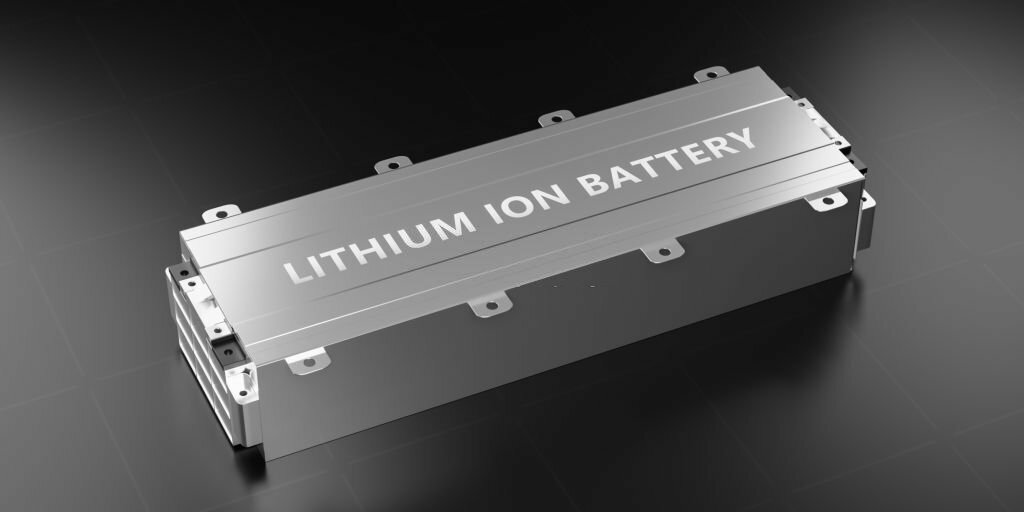
Both private and public sectors are constructing EV battery plants in Karawang. The newest addition is a lithium-ion battery plant with an initial production capacity of 10GWh. This capacity will be increased to 20GWh within the year. The plant is expected to produce 32.6 million cells annually when fully operational.
The project is not only expected to generate jobs but also push Indonesia towards a future of “energy independence.”
INDONESIA AND EVS
Indonesian Automotive Industry Association (GAIKINDO) Chair Putu Lui Ardika said that the country’s South Sulawesi region is particularly compatible with EV technology.
“The technology now allows vehicle owners to charge at home. This is an advantage, especially in South Sulawesi, where there is excess electricity supply,” he said.
The country continues to encourage its citizens to adopt low-emission vehicles, particularly EVs. Mid-year sales revealed that EV sales are a frontrunner though the country’s overall car sales declined.
Interestingly, the government announced that it would no longer provide financial incentives for imported completely built-up EVs starting 2026.
Did you find this article interesting? Click the ‘heart’ button above to give it a ‘like’!