Indonesia’s automotive sector has the potential to expand further, according to one of the country’s top ministers.
Director General of Metal, Machinery, Transportation Equipment, and Electronics Setia Diarta explained that further expansion can be triggered by tapping into the potential of the country’s domestic market.
ROOM TO EXPAND
“The automotive industry still has room to expand, given the significant potential of the domestic market,” the minister said during last week’s GAIKINDO Auto Week. Indonesia’s population indicates that the automotive market can still grow.
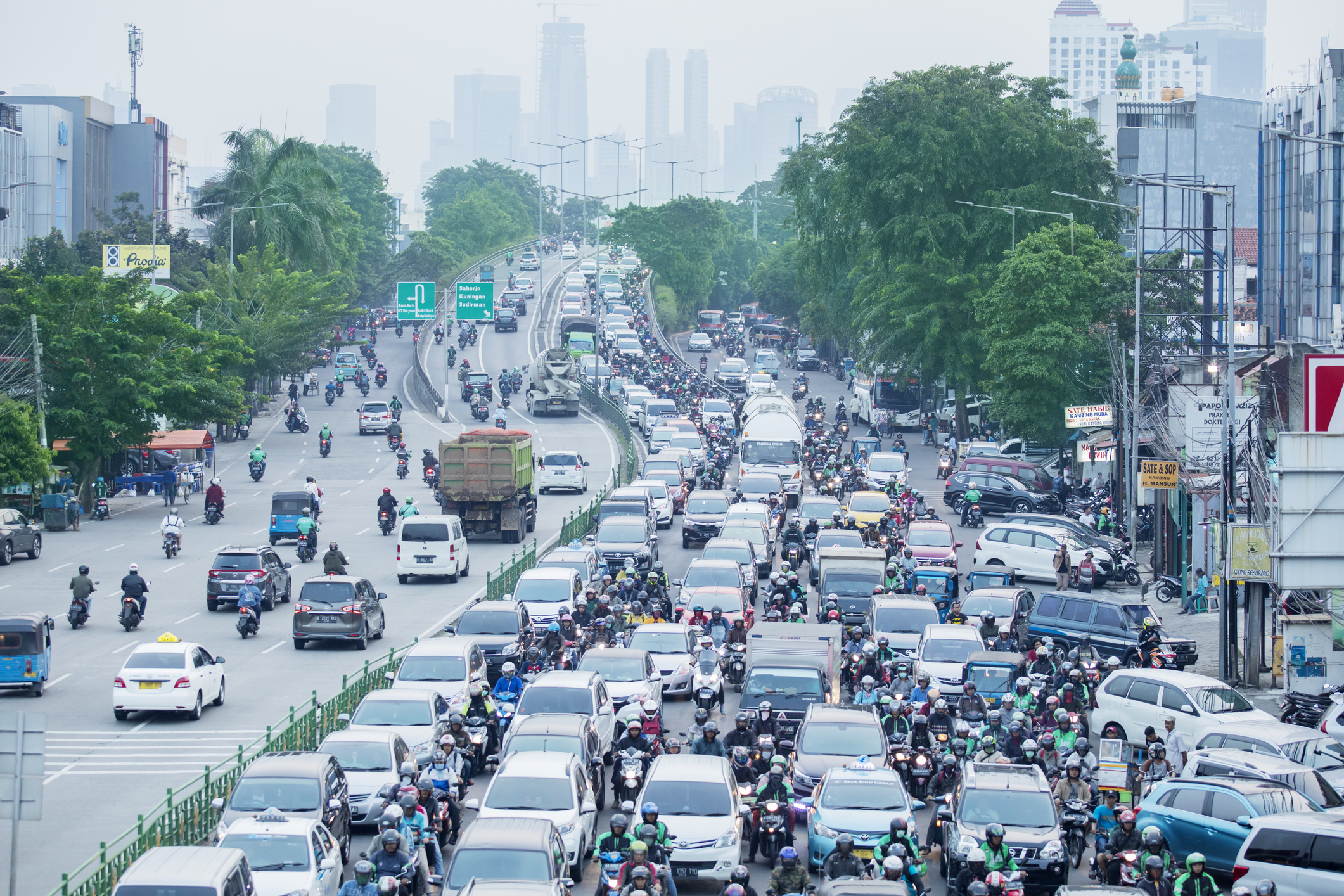
Data from the International Organization of Motor Vehicle Manufacturers revealed that there are only 99 vehicles per 1,000 people in Indonesia. This ratio is low compared to the likes of Malaysia’s 490 units per 1,000 people and Thailand’s 275 units per 1,000 people.
The Indonesian government is keen on developing its electric vehicle (EV) industry in support of developing the overall auto sector. One of its efforts is the Luxury Goods Sales Tax (PPnBM), a financial incentive for EV buyers. “This step further reinforces our commitment to building a competitive, modern, and sustainable automotive industry,” said Setia.
Despite this, the government announced that it would no longer provide financial incentives for imported EVs starting next year. Though this move cause dismay amongst buyers, the objective of this change in policy is to encourage manufacturers to assemble their vehicles in Indonesia instead of abroad.
THE ELECTRIC EXPANSION
Though there’s still room for growth, Indonesia’s auto sector continues to develop rapidly. The EV subsector, specifically, contributes significantly to this expansion.
“Across all three EV product categories — electric buses, electric cars, and electric two- and three-wheelers — we are seeing rapid development, with total investment reaching Rp 5.77 trillion,” said Setia.
Setia added that Indonesia’s annual production capacity for electric buses has reached 4,100 units, strongly backed by government investments. These investments towards the electric bus segment are valued at IDR 380 billion (AUD 35 million).
On the other hand, local EV manufacturers collectively have an annual production capacity of 110,600 units per year. The passenger EV subsector received investments worth IDR 4.23 trillion (AUD 350 million).
Lastly, electric two- and three-wheelers comprise the majority of EV production. This subsector has annual production capacity of 2.51 million units per year, supported by IDR 1.16 trillion (AUD 108 million) in investments.
“The rapid development of the national EV industry reflects the Indonesian government’s commitment to building an environmentally friendly and sustainable industrial ecosystem,” said Setia.
Did you find this article interesting? Click the ‘heart’ button above to give it a ‘like’!