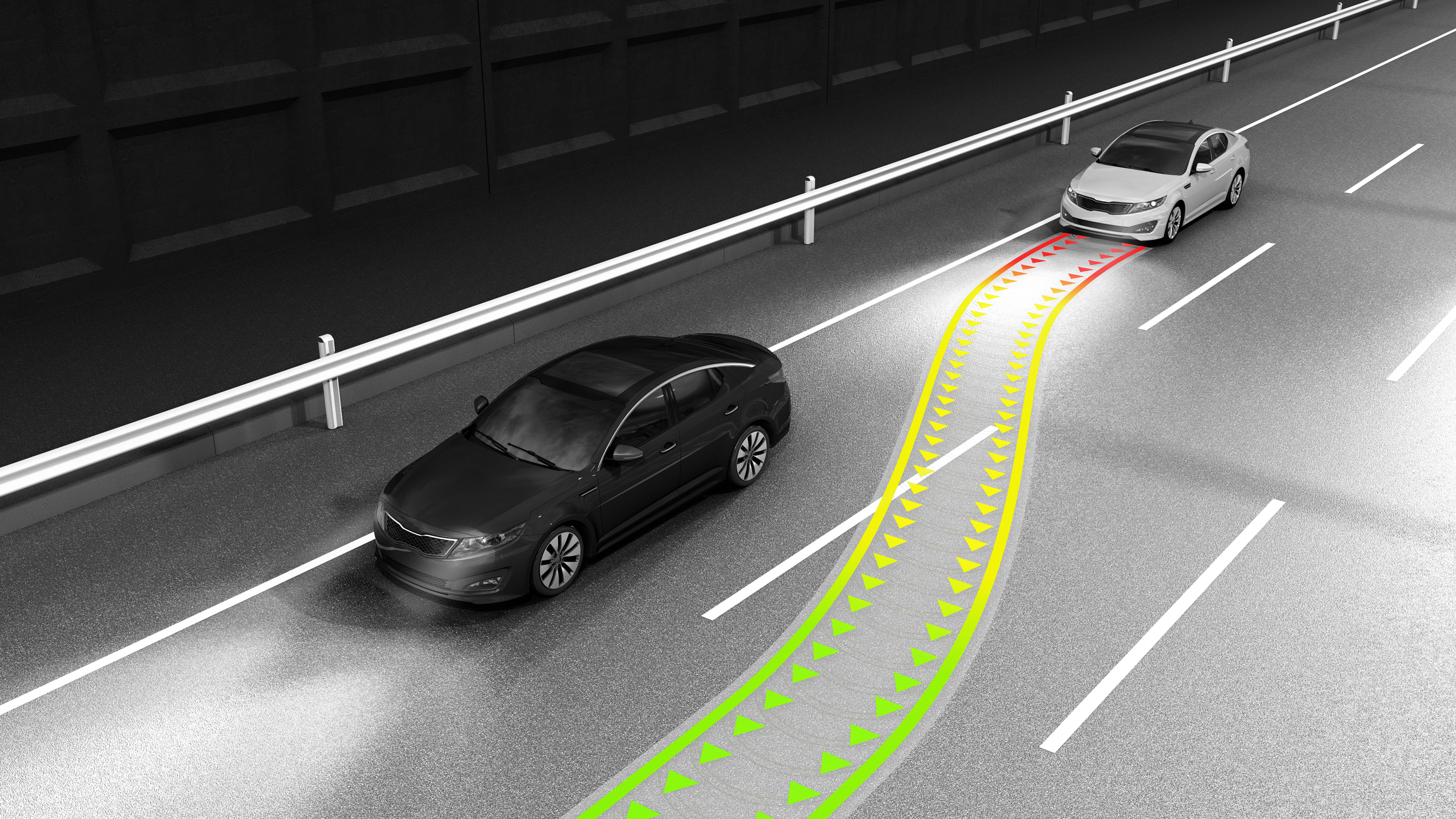
New Zealand’s proposed vehicle safety requirements could put a significant share of the affordable used-import supply at risk, with the Imported Motor Vehicle Industry Association (VIA) identifying lane departure warning and lane keep assist as the biggest obstacles to implementation.
VIA chief executive Greig Epps said the association had not been approached by officials since consultation on the proposals closed in December, despite seeking an update since March.
The NZ Transport Agency (NZTA) proposal would require light vehicles entering New Zealand to have autonomous emergency braking (AEB), either lane departure warning or lane keep assist, and an acoustic warning system for hybrid and electric vehicles. The proposed start dates were October 2026 for new models and July 2027 for existing models and used imports.
Associate Transport Minister James Meager has requested further analysis before making a decision.
“We have been asking since March for an update and we finally heard in the last week or so that the Minister had requested further analysis to be done,” Epps said. “It’s unclear what they are looking at. I have heard it referred to as a cost/benefit analysis and also as an assessment of the impact of mandating these features.”
Lane support is the main supply concern
VIA maintains its estimate that around half of the affordable used-import pipeline could be at risk if the requirements take effect in July 2027. Mr Epps stressed that this represented an estimate of potentially affected supply, rather than a prediction that half of all imports would stop.
The association’s modelling suggests AEB alone could exclude 11 to 31 per cent of otherwise available vehicles in 2027, depending on the age of vehicles imported. Lane support requirements could further reduce the available pool.
VIA’s analysis of vehicles being imported into New Zealand found fewer than one in 10 had qualifying lane departure warning by 2025, while fewer than one in 20 had lane keep assist.
“Of the features we assessed, lane support is the biggest obstacle,” Epps said. “The proposal would accept either lane departure warning or lane keep assist, but both remain uncommon in the older, affordable vehicles that supply this market. AEB is becoming more common, though a 2027 start would still exclude suitable vehicles.”
VIA has not modelled the acoustic warning requirement and said it could not rank its impact against the other two technologies.
Industry seeks clarity on timing
Epps said the issue was not opposition to introducing the safety technologies, but ensuring the transition did not make vehicles unaffordable for New Zealand households.
“I’m not sure anyone has an issue with eventually mandating these features, but the question has been how do we transition to this requirement in a way that Kiwi families can afford.”
Used imports from Japan are generally inspected before shipment. Vehicles purchased for arrival in the first half of 2027 would ordinarily be inspected before a potential 1 July start date, but importers need certainty as they begin sourcing vehicles closer to implementation.
“Importers then need to know exactly which vehicles qualify and what evidence inspectors will accept. Safety features are not consistently identified in Japanese auction information, particularly across older vehicles and different grades,” Epps said.
He said the final requirements and inspection guidance needed to be settled before importers committed to stock for the period after the proposed rules would take effect.
VIA proposes a longer transition
In its December submission, VIA proposed introducing AEB and lane departure warning requirements for used light vehicles in 2035, followed by lane keep assist in 2037.
For acoustic warning devices, it proposed an approved retrofit pathway from 2028, followed by broader fitment between 2031 and 2033. The approach would allow otherwise suitable hybrid and electric vehicles to enter the country without being excluded solely because they lacked a factory-fitted acoustic warning device.
VIA said the proposed dates reflected the age of vehicles commonly imported into New Zealand, noting many households rely on vehicles around 10 years old.
The association also proposed two conditions that must be met before each stage of the used-import requirements takes effect requirements proceeds:
- At least 70 per cent of likely target vehicles aged eight to 12 years in Japan must meet the relevant requirement.
- The expected price increase must not exceed $1,500 at the $15,000 retail price point.
If either test is not met, VIA proposed deferring the relevant stage by 12 months, with a review in 2030.
“We’ve never asked for used imports to be exempt from this requirement, simply that the implementation date takes into account the supply constraints,” Epps said.
Decision expected by November
According to VIA, Cabinet can make a decision on the proposal by 7 November. The association is seeking an early decision on the implementation timeline so importers can plan their purchasing and compliance processes.
“If the decision shifts the implementation date and allows for enough time for the industry to accommodate the requirements, then it is not an issue,” Epps said. “Whoever makes the decision simply needs to be transparent about it. However, if the decision is to stay with a 1 July 2027 date, then we need to know as soon as possible.”
Did you find this article interesting? Click the ‘heart’ button above to give it a like.