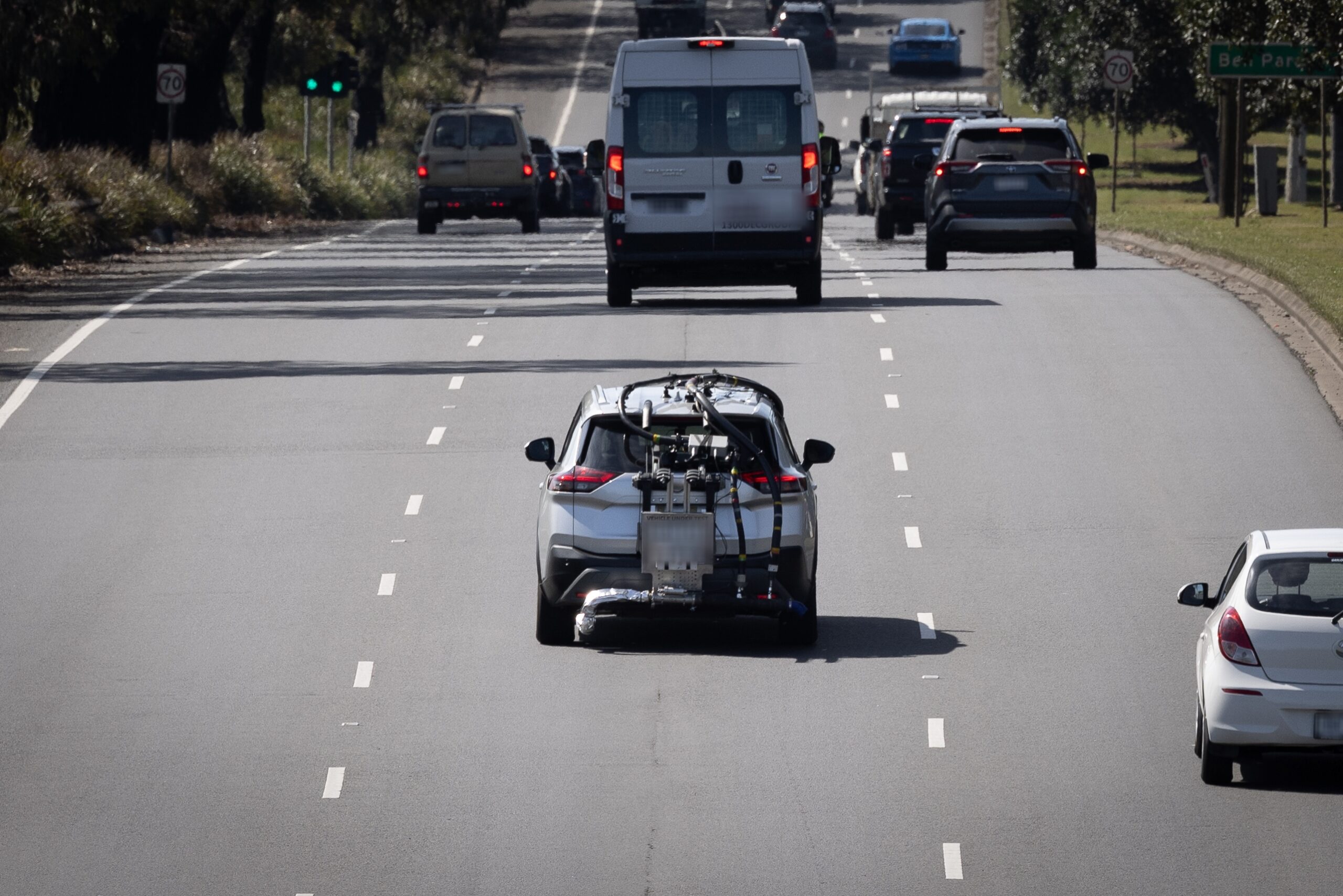
More than three-quarters of petrol, diesel and hybrid vehicles tested by the Australian Automobile Association (AAA) consumed more fuel on Australian roads than their advertised laboratory figures.
The AAA’s Real-World Testing Program has published fuel and energy consumption results for 190 light vehicles, including 20 battery electric vehicles (BEVs), tested under real-world Australian driving conditions.
Of the 170 petrol, diesel and hybrid vehicles tested, 130 recorded higher on-road fuel consumption than the laboratory results displayed on their windscreen stickers. A further 45 vehicles exceeded regulated laboratory limits for noxious emissions.
Latest tests reveal fuel consumption gaps
In the program’s latest round of testing, six of the seven vehicles tested used more fuel on the road than their reported laboratory figures suggested.
The Chery Tiggo 7 Urban medium SUV recorded the largest gap, consuming 7.8 litres per 100 kilometres in real-world driving compared with its advertised laboratory figure of 6.9L/100km. This represented 13 per cent increase fuel consumption.
However, results varied between models. The MG ZS Vibe Turbo, which also has a laboratory fuel consumption figure of 6.9L/100km, used 6.5L/100km during on-road testing, consuming 6 per cent less fuel than its laboratory figure suggested.
Previous testing rounds identified gaps exceeding 30 per cent for some models, including the Mazda 2, Hyundai Kona Hybrid, Suzuki Swift Hybrid, GWM Jolion Hybrid and Chery Omoda 5.
The AAA said the findings showed there was no simple rule of thumb for translating laboratory fuel consumption figures into real-world driving outcomes.
EVs also fall short of advertised range
The program also found that none of the 20 electric vehicles tested achieved their advertised laboratory driving range. The shortfalls ranged from 3 to 31 per cent.
Energy consumption and electric driving range figures are reported in accordance with the Australian Government’s regulated standard, Australian Design Rule 81/02, and published on the Green Vehicle Guide.
AAA calls for greater transparency
AAA managing director Michael Bradley said the findings were particularly relevant as fuel costs remained a concern for Australian motorists.
“The current fuel crisis has made drivers more conscious of their vehicles’ fuel consumption.
“Now more than ever, it’s critical that Australian consumers have confidence as to how much fuel their next car will use or how far it will go on a single charge.
“Unfortunately, carmakers are more incentivised to build cars for performance in the laboratory tests used to regulate vehicle emissions than they are to prioritise fuel economy in the real world.
“Car buyers are right to be sceptical of the fuel consumption information provided in advertising, and this Program is playing a critical role in helping Australian businesses and families save money.”
Independent testing aims to improve accountability
The AAA established its Real-World Testing Program following the Volkswagen emissions scandal, in which the automaker misled customers and emissions regulators by manipulating laboratory tests used to enforce environmental rules.
The program independently measures fuel consumption and emissions under real-world conditions to assess the performance of Australia’s new light vehicle fleet and provide transparency about how manufacturers respond to regulation.
The program is funded by the Commonwealth Government, and its results are available at www.realworld.org.au.
Did you find this article interesting? Click the ‘heart’ button above to give it a like!