
More than three-quarters of vehicles tested under the Australian Automobile Association’s (AAA) Real-World Testing Program have used more fuel on Australian roads than their official laboratory figures claim.
The Commonwealth-funded program has now assessed 141 petrol, diesel and hybrid vehicles, with 76 per cent recording higher real-world fuel consumption than the figures displayed on their mandatory windscreen labels.
Majority of combustion vehicles exceed lab figures
In the latest batch of results, 8 out of 10 internal combustion engine vehicles consumed more fuel in on-road testing than advertised.
The largest discrepancy was recorded by the GWM Tank 300, which used 25 per cent more fuel in real-world conditions than its laboratory result.
Other tested models showed varying gaps between lab and on-road performance. The Honda HR-V returned fuel use 19 per cent above its official figure, while the Hyundai Santa Fe Hybrid recorded an 11 per cent increase.
Some vehicles performed closer to, or better than, their laboratory ratings. The Ford Mustang GT returned fuel consumption 22 per cent below its official figure, and the Mercedes-Benz GLE450d recorded 11 per cent lower consumption than advertised.
EV range shortfalls continue
The latest testing round also included 2 battery electric vehicles.
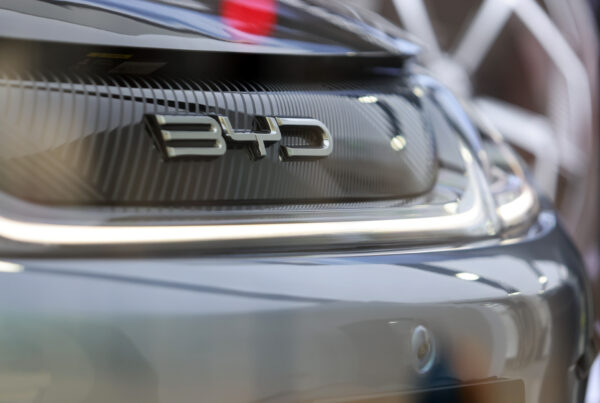
The BYD Seal delivered a real-world driving range 25 per cent below its laboratory rating, while the BMW iX1 fell short by 10 per cent.
Across the 11 EVs tested to date, all have recorded real-world range results below their official laboratory figures, with shortfalls ranging from 3 per cent to 31 per cent.
AAA Managing Director Michael Bradley said the findings were relevant for consumers considering an EV purchase.
“These results will help Australians wanting to make the switch to an EV, given our polling shows 60 per cent of people identifying as likely EV buyers nominate range anxiety as the main concern preventing them from choosing an EV.
“Giving consumers independent information on real-world battery range means they now know which cars perform as advertised, and they can worry less about running out of charge and make the switch with confidence.”
Tightening emissions rules
The latest results were released one week after the Federal Government published its first compliance figures under the New Vehicle Efficiency Standard (NVES), which regulates fleet emissions using mandatory laboratory testing.
Mr Bradley said the testing program was established in response to the Volkswagen emissions scandal and is intended to provide transparency about real-world outcomes.
“Our Program was created in response to the Volkswagen scandal, which revealed how the German auto giant wilfully misled 11 million of its own customers as well as emissions regulators across the globe, by cheating laboratory tests used to police environmental rules.
“The AAA supports the introduction of increasingly stringent vehicle emissions regulation, but we also want to make sure our car fleet is getting cleaner in the real-world, not just in the lab.
“By independently measuring fuel use and emissions performance in real-world conditions, this Program provides transparency about NVES-related emissions reductions, and the degree to which they are being realised on Australian roads.”
Energy consumption and electric range figures referenced in the program are reported under Australian Design Rule 81/02 and published via the Federal Government’s Green Vehicle Guide.
Did you find this article interesting? Click the ‘heart’ button above to give it a ‘like’!