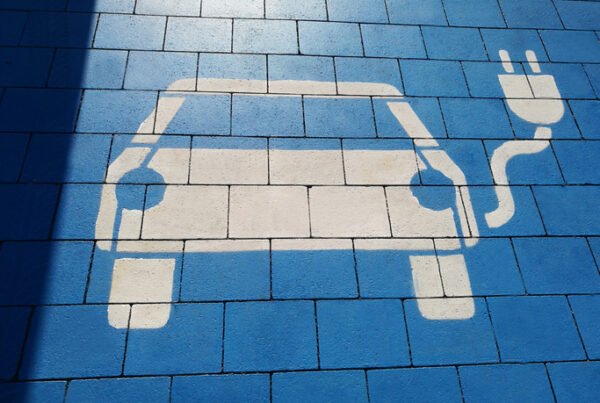

Singapore will enforce stricter rules on commercial refrigerators and vehicle air-conditioning starting 1 July 2027.
Keeping it light
Starting from 1 July 2028, passenger cars and light vehicles in Singapore must use environment-friendly refrigerants for their air-conditioning systems. This new law was created to reduce greenhouse gas emissions by 2030, adding momentum to Singapore’s ultimate climate goal of net-zero emissions by 2050.
“From July 2027, new refrigeration systems typically used in supermarkets must use more environmentally friendly refrigerants with Global Warming Potential (GWP) not exceeding 150,” announced Singapore’s National Environment Agency last 28 May.
“From July 2028, air-conditioning in new passenger cars and light goods vehicles must also comply with these requirements.”
The implementation of the full plan will begin a year earlier on 1 July 2027 for commercial refrigerators. The NEA intentionally gave a later implementation date for vehicles to allow “vehicle suppliers more time to adjust.”
The new rules will only apply to new equipment, allowing businesses to retain existing equipment and minimising disruption.
“Some of these measures build on existing industry practices,” the agency wrote.
“Suppliers and manufacturers are supporting the transition to lower-GWP refrigerants and offering lower-GWP refrigeration systems that are energy efficient.”
What is GWP?
According to Earth Sciences New Zealand, GWP or Global Warming Potential is a unit of measurement that represents “[a greenhouse gas’] ability to trap extra heat in the atmosphere over time relative to carbon dioxide (CO2).”, with GWP being measured over a period of 100 years.
In October 2022, Singapore began phasing out air-conditioners and refrigerators with high GWP. As more environment-friendly options appeared in Singapore, the NEA began prohibiting air-conditioners that use more than 750 GWP.
The move to limit refrigerants allows Singapore to significantly reduce the use of hydrofluorocarbon (HFC) gases. HFC, to an extreme degree, is considered more potent than carbon dioxide and is a main contributor to global warming.
In the same year, the government also began regulating companies that service equipment associated with greenhouse gases. These service and maintenance companies established their own policies and procedures according to Singapore’s greenhouse gas works regulations.
Did you find this article interesting? Click the ‘heart’ button above to give it a ‘like’!