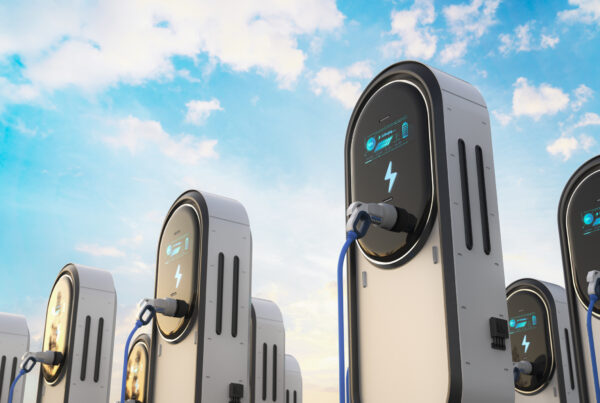
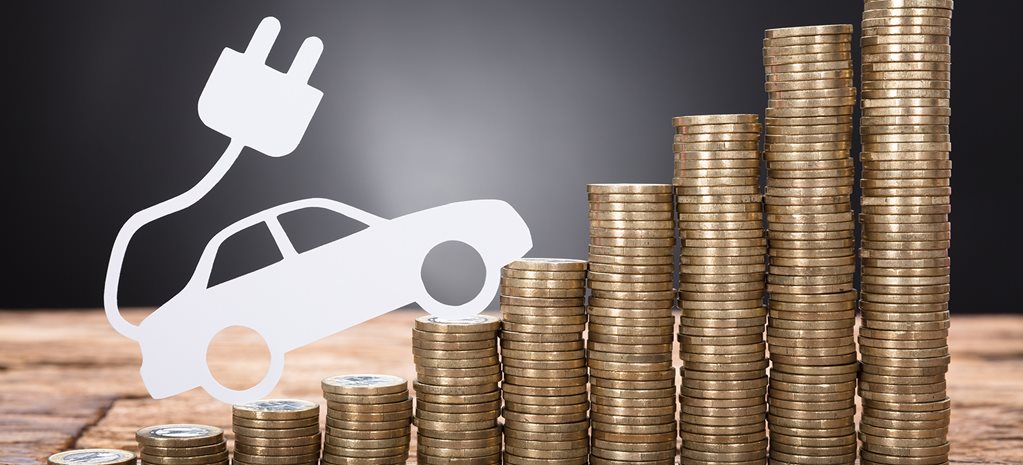
Malaysia’s duty-free period or “holiday” for completely built-up electric (CBU) vehicles (EV) will end this December. This duty-free period was initially announced in Malaysia’s Budget 2022 and has already been extended three times since 2023. This year will be the last year Malaysian consumers can buy EVs duty-free as another extension may not be granted.
Completely knocked down (CKD) EVs, on the other hand, will still be excempt from excise dutyuntil the end of 2027.
OEM AND DEALERS RUSH
Original Equipment Manufacturers (OEM) and dealers are in a rush to get consumers to take advantage of the remaining duty-free period. Without the tax-free holiday, EV manufacturers and distributors will now have to prepare for the upcoming shift to CKD vehicles instead.
Tesla, specifically, does not have its own CKD production in Malaysia. Consequently, the American EV maker is highlighting its current promotions to consumers, such as internal combustion engine (ICE) vehicle trade-ins and special interest rate programs.
THE HOLIDAY ENDS
So far, the Malaysian government has not given any indication for another extension. Earlier in July, Malaysian Automotive Association (MAA) President Mohd Shamsor Mohd Zain asked the government to continue the program on behalf of his group.
“As far as EV subsidies are concerned, we would like to have the government continue (them). We feel that there is still not enough momentum for EVs and the market needs to have a continuation (of incentives) to ensure that there will be long-term effect,” he told PaulTan.org.
“The impact will be similar to what happened to hybrid EVs when we introduced it about 15 years ago. Basically, they just disappeared from the market for a while before manufacturers were able to come up with a local assembly plant. Local assembly takes time to plan and we would like to encourage a longer-term policy perspective on this,” the MAA president explained.
Shamsor explained that a continuation will allow OEMs time to adapt their production bases accordingly. Furthermore, EVs currrently make up only 4 per cent of Malaysia’s auto market share while hybrid EVs are only slightly ahead with 4.6 per cent. Both zero and low-emission vehicles are far behind the government’s goal of 15 per cent by 2030.
In the meantime, Shamsor said that the MAA will “monitor the situation in regards to EV subsidies.” The MAA previously urged the government to continue the duty-free holiday until 2030.
Did you find this article interesting? Click the ‘heart’ button above to give it a ‘like.’