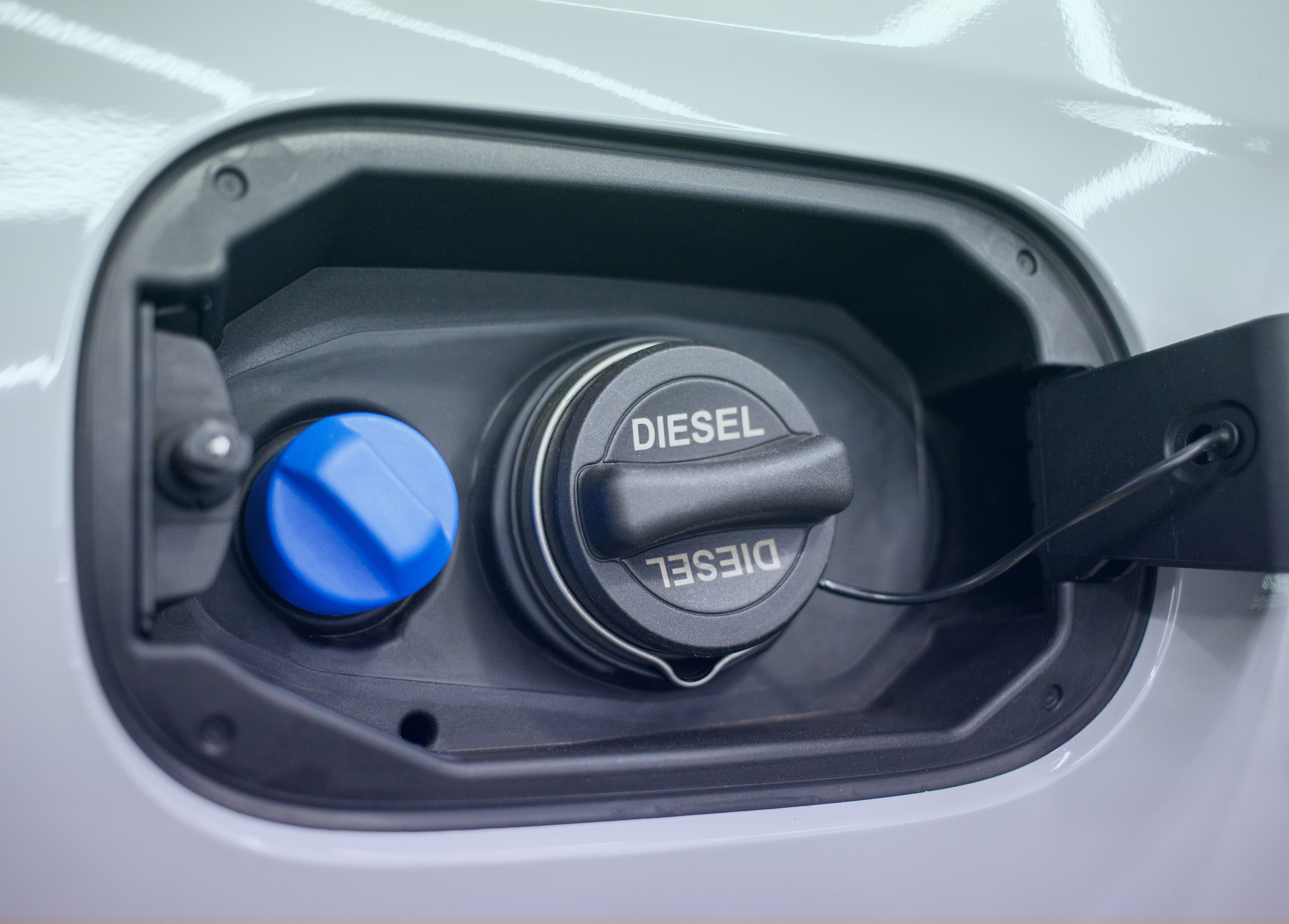
Indonesia’s new B50 fuel mandate launched last 1 July, raising the percentage of palm-based biodiesel to 50 per cent in biodiesel blends.
Half and half
The go signal was first announced by Energy Minister Bahlil Lahadalia last 18 June. Feasibility trials for the B50 fuel blend yielded positive results, prompting the government to speed up implementation. The tests were conducted among several industries, such as; rail, machinery, shipping, and transportation.
“Tests have been carried out by the Energy Ministry’s team and the results are encouraging… B50 implementation will be launched on July 1, 2026,” he said.
Previously, the fuel mandate was set at 40 per cent biodiesel to 60 per cent fossil fuel. The increase was initially scrapped due to financial concerns; however, President Prabowo Subianto increased the threshold to curb fuel demand amid the global oil shortage.
Though the mandate’s progress has been accelerated, the Indonesian government announced that the fuel subsidy will be lower compared to previous mandates.
Saving costs and energy
According to the Ministry of Energy and Mineral Resources, the B50 mandate will enable Indonesia to save up to IDR 157.28 trillion (AUD $12.77 billion). This figure is marginally higher compared to the estimated IDR 139.8 trillion saved if the B40 mandate remained until the end of 2026.
In addition to cost savings, the increase marks significant progress for Indonesia’s transition to cleaner, self-sufficient energy. The implementation of B50 establishes Indonesia’s position as one of the world’s highest biofuel mandates and marks significant progress in its climate and renewable energy goals.
The implementation of the B50 mandate will be divided into phases. The first phase sees all subsidised diesels adopt 50 per cent biofuel by next year, 2027. Non-subsidised diesels, however, will remain at 40 per cent biofuel.
By 2028, Indonesia will implement B50 across all diesel fuels.
“Through more comprehensive regulations and clear phasing, we want to ensure that biofuel utilisation can be implemented optimally, while still considering the readiness of raw materials, infrastructure, and industrial support,” said Eniya Listiani Dewi, Indonesia’s Director General of Renewable Energy.
Did you find this article interesting? Click the ‘heart’ button above to give it a ‘like’!