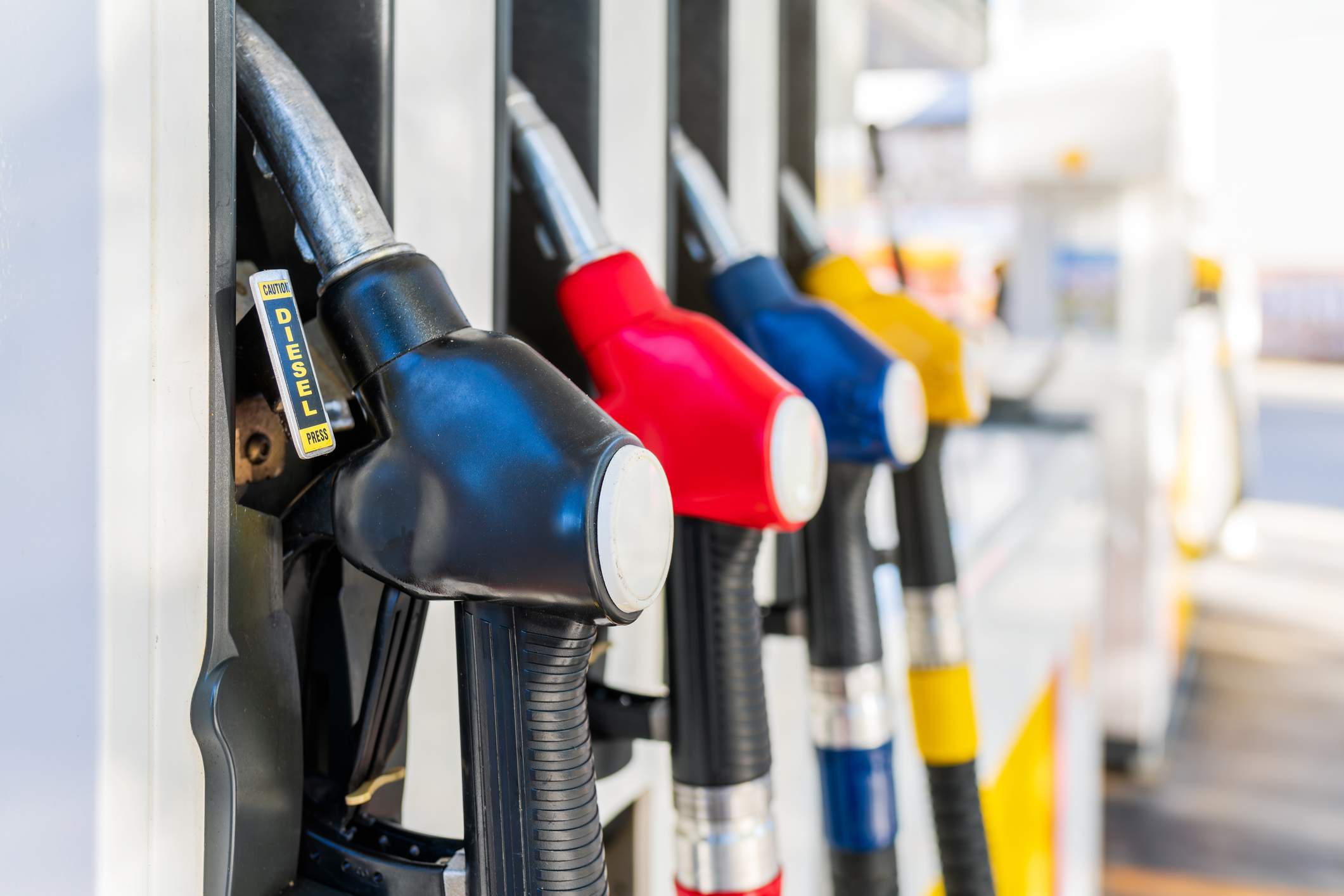
Australian motorists and freight operators will continue to receive fuel tax relief for another month, with the Federal Government extending its temporary fuel excise reduction until 31 July.
The extension follows the introduction of fuel tax relief measures in April in response to sharp increases in fuel prices linked to disruptions in global oil markets and ongoing conflict in the Middle East.
Under the revised arrangements, the temporary fuel excise reduction will decrease from 26.3 cents per litre to 16 cents per litre from 1 July. When combined with state and territory contributions, the measure is expected to deliver savings of around 32 cents per litre at the pump.
The Government has also extended relief for the heavy vehicle sector. After being reduced to zero from 1 April, the Heavy Vehicle Road User Charge will increase to 16 cents per litre from 1 July, remaining at half its standard rate of 32.4 cents per litre until 31 July.
Fuel tax relief scaled back but remains in place
The temporary excise reduction was originally scheduled to expire on 30 June following its introduction as a three-month measure.
“The 16 cents a litre extension to the fuel tax cut that we’ve announced today will reduce the cost of a 65-litre tank of fuel by around $11,” said Anthony Albanese, Prime Minister of Australia.
The Prime Minister also indicated the Government may consider further action if fuel market conditions remain volatile.
“We’ll continue to do what we can to shield Australians from the worst impacts of this conflict, including securing additional fuel from our partners,” Albanese told Sky News.
Unless further extensions are announced, motorists will return to paying the full fuel excise rate of 52.6 cents per litre from 1 August.
Fuel security remains a focus
The fuel tax measures were introduced after tensions in the Middle East disrupted crude oil shipments through the Strait of Hormuz, contributing to higher fuel prices globally.
Speaking alongside the announcement, Chris Bowen, Minister for Climate Change and Energy, said Australia’s fuel reserves had strengthened.
According to Bowen, Australia currently holds 44 days’ worth of petrol reserves and 32 days’ worth of jet fuel reserves, representing the country’s highest fuel stock levels since 2023.
Impact on transport and vehicle markets
The temporary fuel excise reduction was designed to help ease cost pressures on households, businesses and the freight sector, while limiting the flow-on impacts of higher transport costs throughout the economy.
The period of elevated fuel prices has also coincided with increased demand for electric vehicles. In May, battery electric vehicles accounted for a record 19.9 per cent of new vehicle sales in Australia.
Did you find this article interesting? Click the ‘heart’ button to give it a ‘like’!