Australia’s first all-electric inter-city freight delivery has been completed, with operators reporting significantly lower costs and faster travel times compared to diesel trucks.
The delivery, coordinated by New Energy Transport, involved transporting goods from Sydney to Canberra using a Windrose electric truck, supported by electric last-mile vehicles from logistics group ANC.
Lower costs and faster trip recorded
According to New Energy Transport, the 460km journey delivered energy cost savings of around 85 per cent compared to a diesel equivalent.
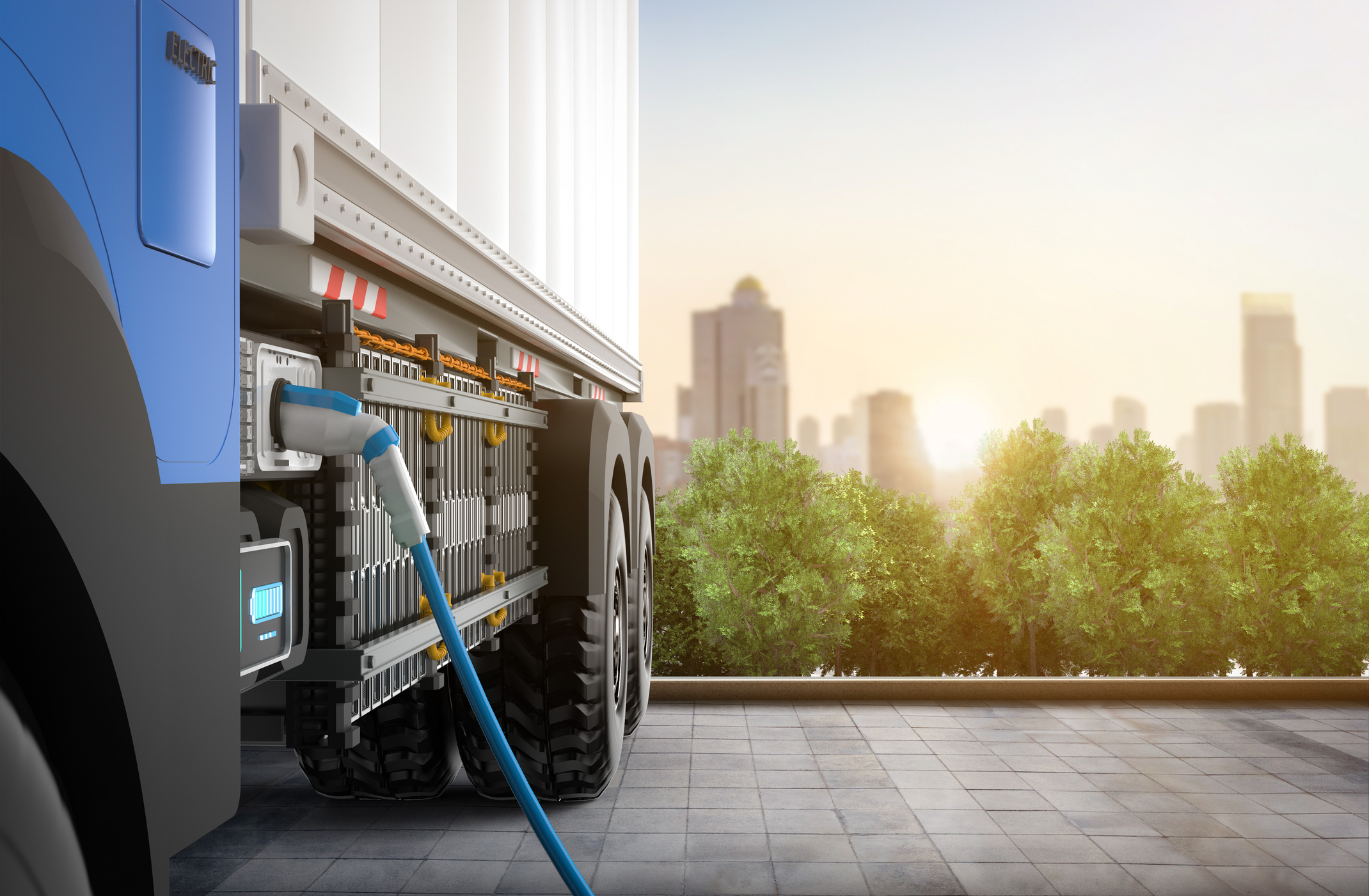
The electric prime mover, equipped with a 700kWh battery, completed the route on a single charge and finished the trip approximately 25 minutes faster than a comparable diesel truck, aided by consistent performance on inclines.
Daniel Bleakley, an executive at New Energy Transport, said the result demonstrates the potential for electric freight to reshape the sector.
“This delivery ushers in a new era for Australian road freight where electric heavy trucks are not just cheaper and faster,” Bleakley said.
Economics shifting despite higher upfront costs
Electric trucks remain more expensive to purchase than diesel models, with upfront costs estimated at around $450,000 to $500,000, compared to roughly $250,000 for a diesel prime mover.
However, operators point to significantly lower running costs over time, particularly fuel savings, as a key advantage in total cost of ownership.
Bleakley said the challenge for operators lies in managing higher initial capital investment while transitioning to lower long-term operating costs.
Long-haul seen as key opportunity
While most of the estimated 140 electric trucks currently operating in Australia are used in urban and short-haul logistics, industry figures suggest long-distance freight may offer stronger economic benefits.
James Walmsley, director of business development at Windrose, said the truck used in the trial can travel up to 670km on a single charge and recharge in about one hour, making it viable for inter-city routes.
Infrastructure and policy support needed
Industry stakeholders say wider adoption will depend on expanded charging infrastructure and targeted government support.
Bleakley said co-investment in charging networks and incentives for electric heavy vehicles could accelerate uptake and improve supply chain resilience.
Simon Griffiths, co-founder and CEO of Who Gives A Crap toilet paper company, said the trial highlights the role businesses can play in reducing emissions.
“We are proving that the transition to electric vehicle fleets isn’t just a future goal – it’s possible right now,” Griffiths said.
Did you find this article interesting? Click the ‘heart’ button above to give it a ‘like’!