Australia’s first trial of artificial intelligence-powered traffic lights will begin later this year to test whether the technology can reduce congestion, improve traffic flow and shorten pedestrian waiting times.
The City of Moreton Bay in Queensland will install the AI-powered traffic signals at the intersection of Moreton Parade and Paper Avenue in Petrie, north of Brisbane. The council said it plans to expand the technology to busier intersections if the initial trial proves successful.
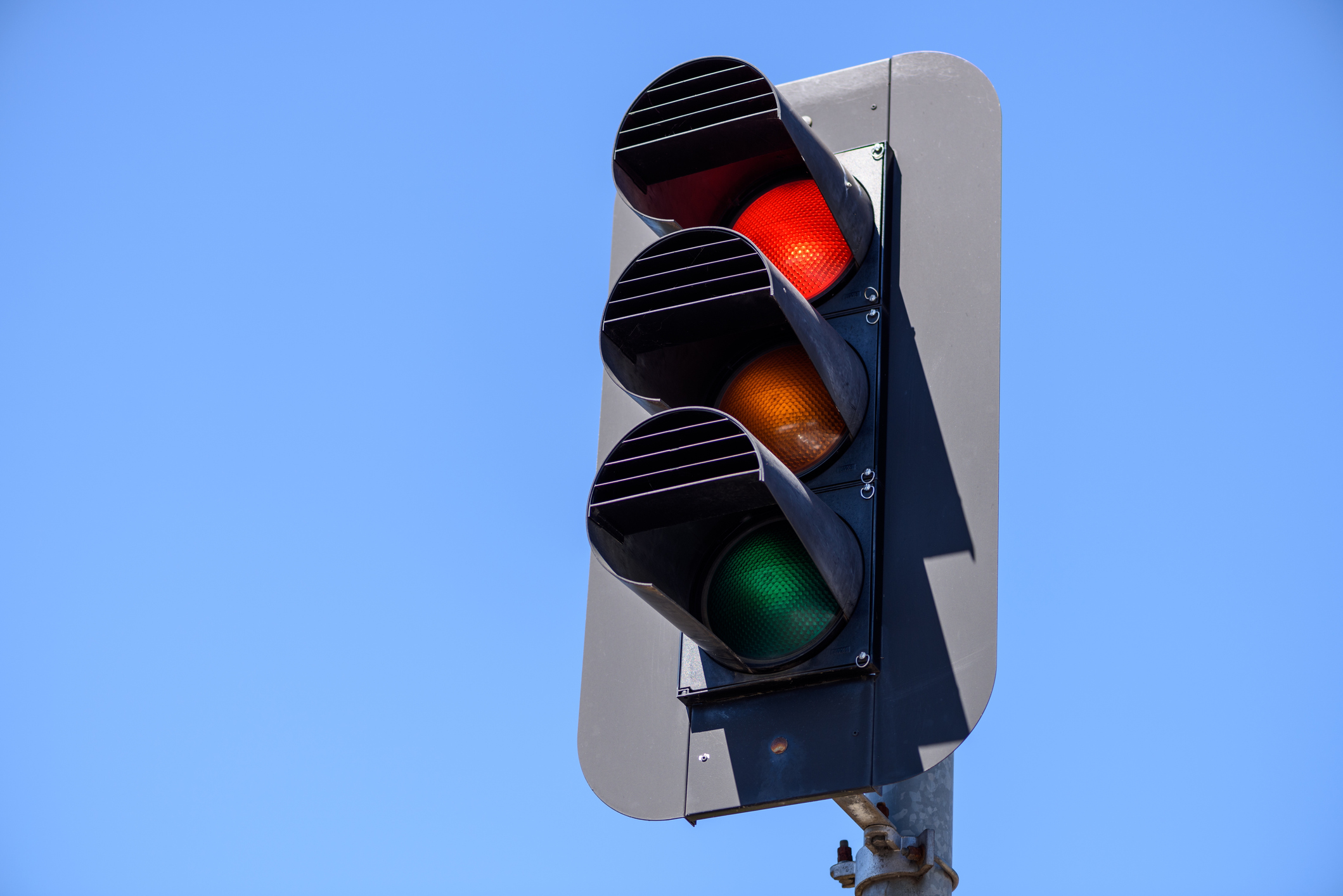
Unlike conventional traffic signals, the AI-powered system will use real-time traffic data and advanced algorithms to dynamically adjust signal timing based on changing road conditions.
Trial aims to improve traffic flow
The pilot will assess whether AI can optimise traffic signal phases and pedestrian crossing times more effectively than existing infrastructure, much of which dates back to the 1980s.
“We’re excited to be the first in Australia to trial technology that has the very real potential to improve the flow of traffic around our road network,” said City of Moreton Bay Mayor Peter Flannery.
“The technology effectively uses both AI and advanced algorithms to inform optimised traffic operations under a new traffic management approach.
“This means that higher traffic flows of vehicles, including public transport, can be prioritised dynamically throughout the day.”
The system will require the replacement of existing traffic lights and the installation of advanced traffic detection sensors that will provide the AI platform with real-time information to manage traffic movements.
Potential benefits for motorists and pedestrians
According to the council, the technology could reduce unnecessary delays by adjusting traffic signals to respond to actual traffic demand rather than fixed timing schedules.
“There is the potential to substantially reduce the time motorists spend unnecessarily sitting at red lights, which is often constrained by legacy traffic control methods, and this can be extremely frustrating, especially when there are no cars in sight,” Flannery said.
“This presents the opportunity to reduce emissions as vehicles will idle less at traffic lights.
“Plus, for the first time, traffic signals can be adjusted by individual movements using advanced traffic detection sensors so congestion can be better managed including when vehicles flood our local road network.”
AI traffic management expands in Australia
The Moreton Bay project follows other Australian applications of AI in traffic management.
In Sydney, the New South Wales Government has trialled AI-powered pedestrian crossing technology at the intersection of The Esplanade and Belgrave Street in Manly. The system uses smart cameras and adaptive traffic lights to respond to changing pedestrian volumes.
According to the NSW Government, the trial reduced the number of pedestrians crossing on a flashing red signal by 34 per cent by automatically providing more frequent or longer green pedestrian phases during periods of heavy demand. A second installation is planned for Parramatta during 2026.
Did you find this article interesting? Click the ‘heart’ button above to give it a ‘like’!