Vietnam announced in July 2025 that it will ban petrol-powered two-wheelers starting next year under the name Directive 20. Starting July 1 2026, the government will start its policy in Hanoi and eventually expand it to other cities. Sooner or later, the ban will include petrol-powered cars as well.
DIRECTIVE 20
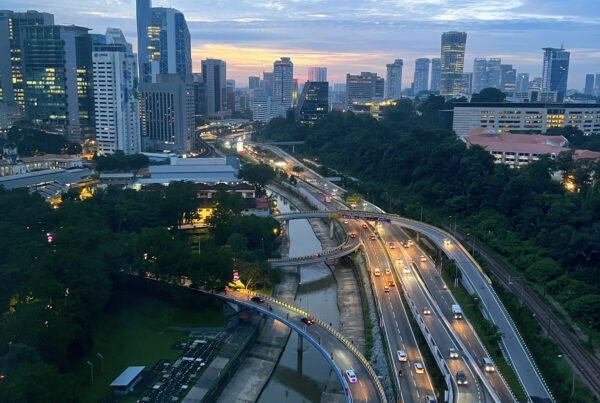
Hanoi’s Hoan Kiem and Ba Dinh districts will be the first to ban petrol-powered motorcycles. Both areas, also known as Ring Road 1, are recognised for their high-density traffic and pollution, making them ideal pilot venues for the new policy. Vietnam’s government officials expect the ban to at least lessen both air and noise pollution in Hanoi.
After Ring Road 1, Hanoi’s Ring Road 2 will receive the same treatment by January 2028 and Ring Road 3 by 2030.
According to Vietnam’s government, the petrol ban will eventually include cars but at a much later time. With EV sales from local manufacturer VinFast rising, Vietnam’s low-emission future may not be too hard to achieve.
This isn’t the government’s only emissions-focused policy. The country will also require vehicles to reach its Level 4 emissions standards by 2027. There is also another policy intended for Ho Chi Minh City, wherein 30 per cent of cars and 22 per cent of motorcycles must be electric by the year 2030.
PUBLIC REACTION
The bulk of Vietnam’s national fleet is made up of motorcycles, which contribute to the country’s growing air pollution problem. Hanoi, where the petrol ban will start, was named the world’s most polluted city by IQAir.
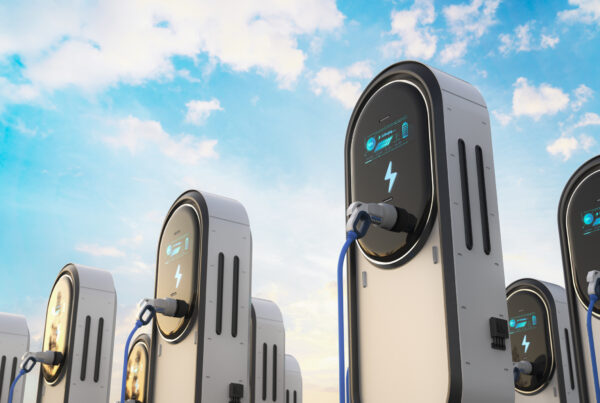
Though the intentions of this policy are for environmental purposes, some citizens doubt its validity and feasibility. News18 called attention to Vietnam’s lack of infrastructure and insufficient electricity to charge electric vehicles, both two- and four-wheelers.
“A lot of people feel like this is an industry and development policy masquerading as an environmental protection policy,” Hanh Nguyen, an expert on the region of Southeast Asia and Vietnam from Australia National University, told Al Jazeera. Nguyen emphasised that the volume of motorcycles charging is “quite concerning.”
The shift is a concern for most Vietnamese citizens who rely on their existing motorcycles for their livelihood and transport. According to the same Al Jazeera article, the country’s public transportation and the citizens’ average income may not be enough to support this ban.
Did you find this article interesting? Click the ‘heart’ button above to give it a ‘like’!