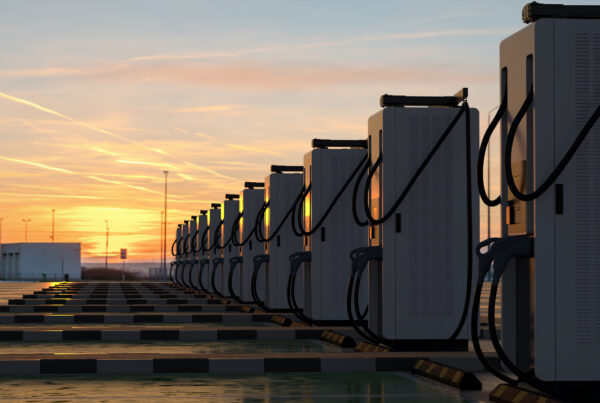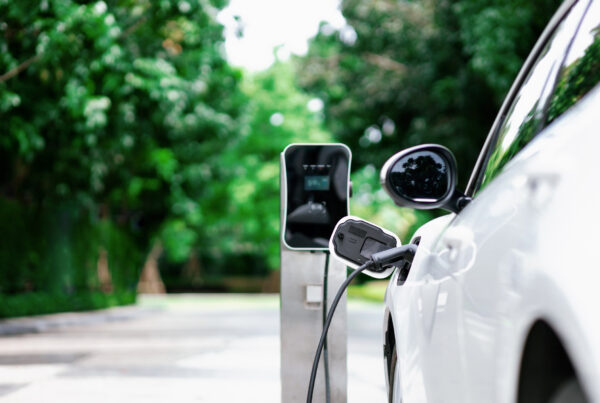
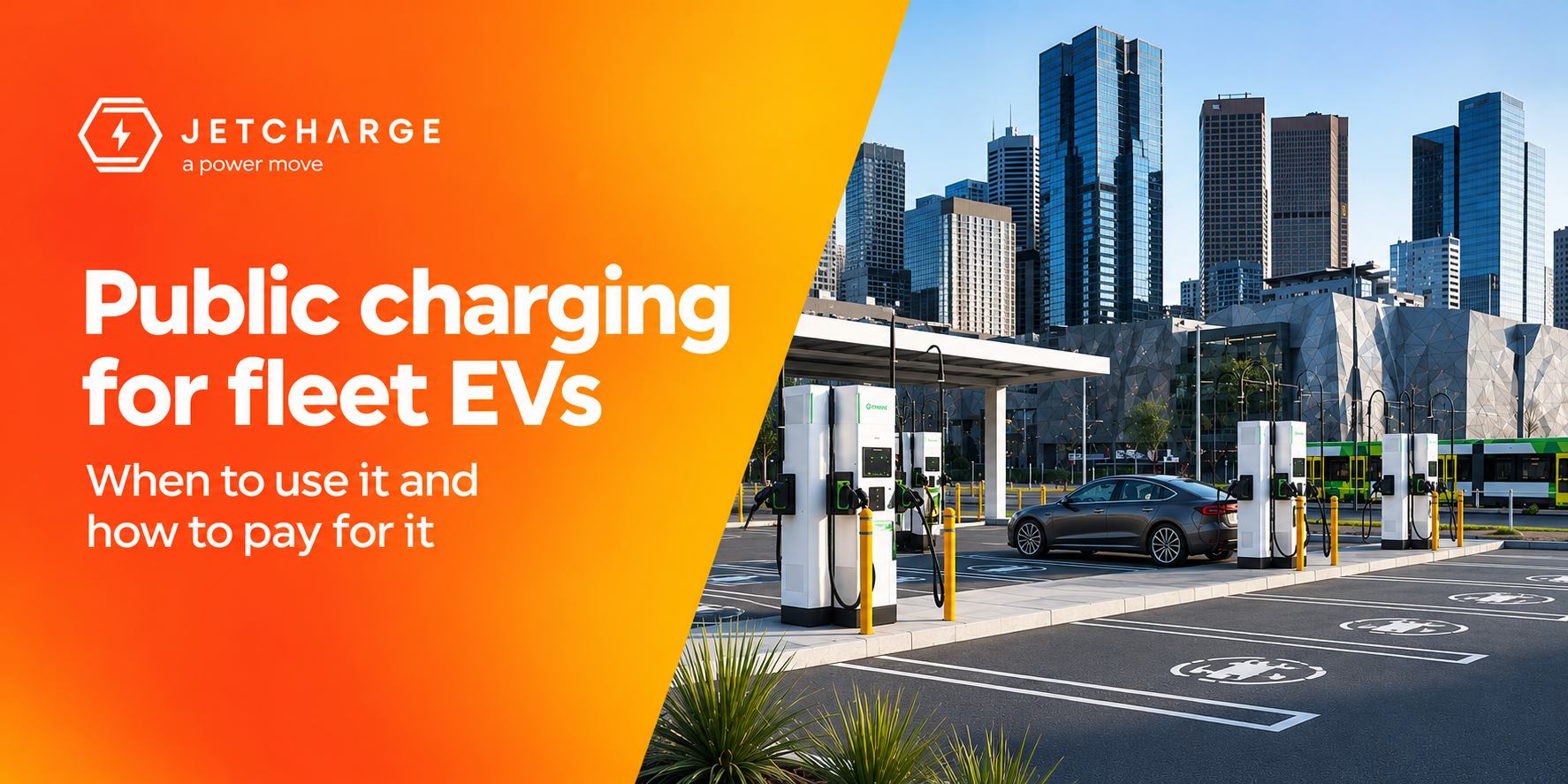
Australia currently has around one public charger for every 53 EVs (Australian Financial Review, 2026). While the network is growing fast, it’s still catching up with the number of EVs on the road.
That’s why we keep telling fleets early into their fleet electrification: public charging should be the backup, not the plan.
Your depot and employees’ homes must do the heavy lifting
Assuming a tool-of-trade vehicle driving 20,000 km a year, a BEV (Battery Electric Vehicle) charged exclusively on public networks costs around $700-$1,100 more per vehicle than one charged at the employee’s home.
Compare that to employee home or workplace charging. It’s significantly easier to use and plan around. No queues, no detours. Drivers start each day ready to go with a full battery, ready for the road.
Yet today, only 19% of BEV charging happens at employees’ homes (AfMA EVs in Business Fleets 2026). Among the broad mix of early adopters we work with, that figure is closer to 90%.
Public charging certainly still plays a critical role. It fills the gaps for regional trips, longer ad-hoc travel, or the periods around when a home or workplace charger is installed.
Make public charging as convenient as possible
In the scenarios where employees use public charging, the next challenge is paying for it. Australia has over 10 major public networks, each with its own app and card. Most fleets give drivers one or two cards, but that doesn’t cover them all. When the nearest charger is on another network, drivers generally must pay personally and claim reimbursement separately, and that session lands outside your fleet reporting.
To choose the right networks, start with your telematics. See where vehicles travel and stop during the day, and choose the networks with chargers along those routes, so drivers can top up during natural breaks. For everything else, set a fallback: claim at actual cost, with receipts, by a set date.
If you lease through an FMO, ask whether they can bring public charging into one bill.
Ensure employees best represent your brand
Branded vehicles are billboards for your organisation, and how drivers use public chargers can affect your reputation. We’ve seen fleet drivers with good intent, plug in at a public charger early in the morning and stay until they’ve finished the job, only to return to frustrated notes and calls into the organisation.
Where public charging is involved, it’s important to brief drivers ahead of time:
- It’s not a car park. Move once you’re charged.
- On fast chargers, stop at about 80%. The last 20% is slow and keeps them off the road longer.
- Watch idle fees. They land on the company bill.
- Build buffer time into holiday trips.
Not sure what mix of home, depot and public charging suits your fleet?
Talk to our team and we’ll help you work it out. Your next power move starts here.
https://jetcharge.com.au/contact-us/