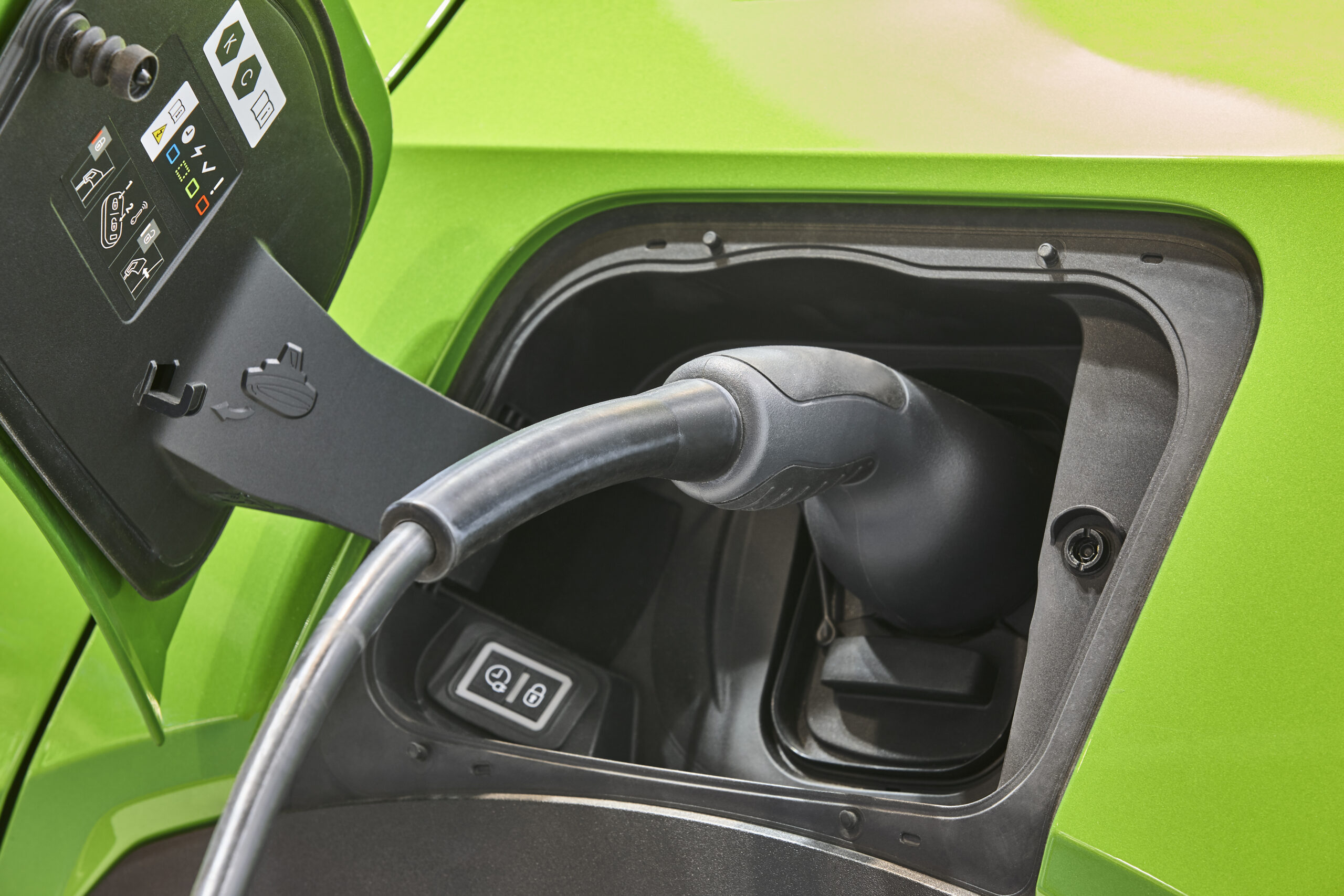
A new analysis of more than 47 million vehicle inspections across Great Britain found that electric vehicles (EVs) become less likely to fail Ministry of Transport (MOT) tests than petrol and diesel vehicles as mileage increases.
The study, commissioned by the British Vehicle Rental and Leasing Association (BVRLA) and conducted by independent transport research organisation New AutoMotive, examined 47.4 million statutory MOT tests completed between July 2024 and July 2026.
The findings challenge assumptions about the long-term durability of battery electric vehicles (BEVs), with the data showing that their MOT failure rates remain broadly comparable with petrol vehicles at lower mileages before diverging as mileage increases.
Reliability gap widens with mileage
BEVs and petrol vehicles recorded similar failure rates during the first 40,000 miles.
The failure rate was around 12 per cent for BEVs compared with 11.7 per cent for petrol vehicles. However, after 60,000 miles, the BEV failure rate levelled off at approximately 16 per cent, while petrol and diesel failure rates continued to rise beyond 23 per cent.
The difference was more pronounced among three-to eight-year-old vehicles with between 90,000 and 120,000 miles on the odometer.
At this mileage, BEVs recorded a failure rate of around 16.5 per cent, compared with approximately 22 per cent for petrol vehicles and 21 per cent for diesel vehicles.
Once mileage exceeded 120,000 miles, the BEV failure rate remained around 16 per cent, while the petrol vehicle rate increased to approximately 23.5 per cent.
Older EVs remain on the road
The analysis also found a difference in the rate at which older vehicles leave the road. At 15 years of age, the road exit rate for BEVs was 5.4 per cent, compared with 11.9 per cent for petrol vehicles.
The researchers also compared nine model families where the same vehicle was available with both electric and non-electric drivetrains. Electric versions recorded lower failure rates in five of the nine comparisons, tied in three and recorded a higher failure rate in one. The findings are particularly relevant as more higher-mileage EVs enter the used vehicle market.
BVRLA Chief Executive Toby Poston said mileage has traditionally been an important consideration for used vehicle buyers.
“This research suggests we need to think differently when it comes to electric vehicles,” Poston said.
“Many of the EVs now entering the used market have had their first life in company and leasing fleets and have already covered substantial mileage.”
Poston said the findings indicated that mileage alone should not discourage consumers from considering a used EV.
Suspension and tyre performance
The study also examined individual vehicle components, including suspension, tyres and brakes.
Despite concerns that the additional weight of EV batteries could result in greater suspension wear, the analysis found that EV suspension defect rates were at or below those recorded for petrol and diesel vehicles.
Tyres presented a different result, with BEVs recording approximately 1.8 times the number of tyre defects as petrol cars.
The report found this issue was particularly pronounced among some earlier EVs that had been adapted from internal combustion-engine platforms.
Brake performance is more complex. High-mileage BEVs recorded substantially fewer brake defects, but older vehicles with between 20,000 and 60,000 miles showed increased friction-brake defects. The researchers attributed this to disuse corrosion associated with friction brakes being used less frequently because of regenerative braking.
Implications for the used EV market
The BVRLA said the findings could have implications for the development of the second-hand EV market, particularly as vehicles previously used in company and leasing fleets reach consumers.
Poston said greater confidence in higher-mileage EVs would be important as electric vehicles become more accessible through the used market.
“A well-maintained, higher-mileage electric car can be an extremely durable used vehicle,” he said.
“That matters because the used market is where the transition to electric becomes accessible to millions more motorists.”
The study’s findings suggest that the relationship between vehicle mileage and durability may differ significantly between electric and combustion-powered vehicles, with the with the difference in MOT failure rates becoming more pronounced as vehicles accumulate higher mileage.
Did you find this article interesting? Click the ‘heart’ button above to give it a like!