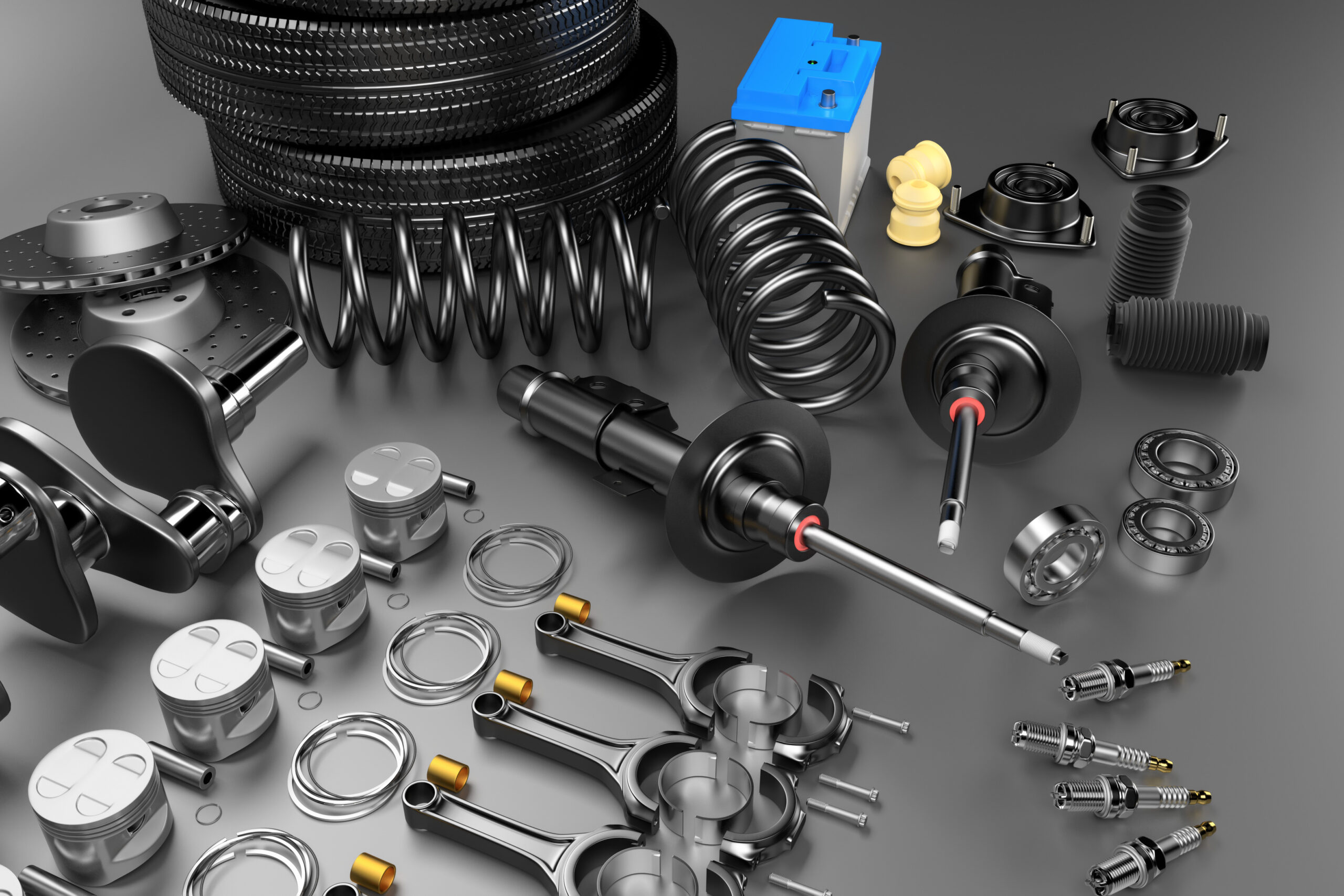
Record floods ravaged southern Thailand in November, disrupting the supply chain for tech components and vehicle parts in the Hai Yat district.
CURRENT CONDITIONS
“Hat Yai has become our bottleneck,” the Ministry of Commerce told the Bangkok Post. “Exporters simply cannot move their shipments out.”
So far, 180 deaths have been recorded alongside 800,000 damaged homes and 100,000 lost cars. Some of these damaged and lost cars were delivery vehicles scheduled to transport goods from Hai Yat. The Thai government estimated the damages to amount to THB 500 billion or around AUD 23.6 billion.
“Repeated disruptions like this undermine confidence in Thailand’s reliability as a regional supply hub. If we can’t guarantee timely delivery, buyers will look elsewhere,” the ministry said in a statement. The ministry also expressed concerns about competitors such as Indonesia and Vietnam benefitting from Thailand’s stunt in trade.
“Vietnam and Indonesia won’t wait for us to recover. If overseas buyers turn to alternative suppliers now, winning them back later will be extremely difficult.”
Thailand is at the risk of facing up to AUD 601 million a month worth in damages if Hai Yat conditions are prolonged any further.
This is not the first flood to disrupt Thailand. A similar incident occurred in 2020, which also paralysed trade in the Ayutthaya region.
In addition to the halt of deliveries and production, issuing of certificates of origin for exports have also been ceased. The overall halt has effectively damaged trade from Thailand to Malaysia for the time being, with the Songkhla province blocking exporter access along the Sadao and Padang Besar checkpoints.
INDUSTRY CONCERNS
Thailand’s local automotive industry remains vigilant of the situation in the affected provinces. Federation of Thai Industries (FTI) Auto Club Spokesperson Surapong Paisitpatanapong told the Bangkok Post that the organisation is “closely monitoring” the situation.
The FTI Auto Club will also maintain its production target of 1.45 million units for 2025, with 950,000 for export and the remaining 500,000 for the local market.
In October, before the floods affected the country, Thailand produced 135,685 units. The kingdom’s year-to-date tally from January to October amounted to 1,211,286 units produced. Due to the current circumstances, November may not produce the same volume of vehicles.
Did you find this article interesting? Click the ‘heart’ button above to give it a ‘like’!