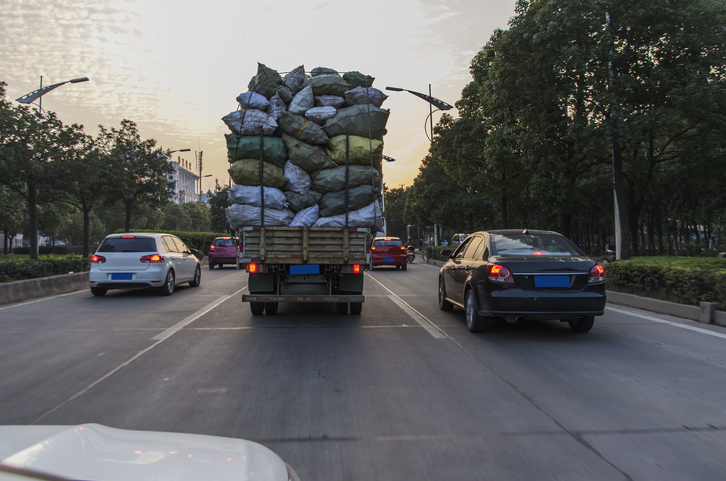
More than 900 vehicles have been issued summons since the Malaysian government declared “war” on overloading vehicles.
Around 5,967 vehicles have been inspected so far, with 2,398 summonses issued to 939 vehicles since the operation began in mid-October.
The Road Transport Department’s (JPJ) strict enforcement will operate until December 31. According to Free Malaysia Today, the special operation is concentrating on areas where overloaded commercial vehicles pass. These areas are near quarries, ports, and other industrial areas where trucks carry raw materials.
The department reported that several drivers found guilty refused to cooperate, citing excuses such as damaged vehicles. According to the JPJ, drivers who protest having their vehicles submitted for inspection may be prosecuted under Malaysian law for “obstructing public officers in execution of their duties.” Drivers found guilty of this may be imprisoned and/or fined up to MYR 200,000 (AUD 73,600).
According to the JPJ, 14 of the 939 vehicles were confiscated for multiple offences aside from overloading.
RESPONSE TO THE OPERATION
Johor assemblyman Ng Kor Sim urged the JPJ to reconsider the limits for loading commercial vehicles. According to Ng, the current limits are “outdated” and do not “reflect current technological advancements.” She has also suggested implementing a “cooling off period.”
Ng further argued that the operation has increased production and logistics costs for businesses. Specifically, oil refiners allegedly revealed that there has been at least a 20 per cent increase in their operating expenses. Ng said that these effects may bleed over to other industries.
“This in turn had also affected lorry drivers who are paid based on the weight of the load carried,” the lawmaker said. She urged the Malaysian government to consider the effects of the operations not just on companies, but lower income groups.
“This will definitely have a spillover effect on the wider economy. As production and logistics costs increase, the impact will be felt by consumers through higher prices of goods and services, thus adding to the pressure on the cost of living.”
Ng’s asserts that modern trucks can carry heavier loads with advanced safety features installed.
JPJ RESPONDS
Transport Minister Anthony Loke stated that the government will remain firm on the special operation. This statement is in response to industry concerns regarding costs and timelines.
“Whenever we step up enforcement, we expect pushback from the industry. This is normal. But what matters most is the safety of road users and the protection of public infrastructure,” he said.
According to Loke, industry players have taken advantage of “weak enforcement” to reduce costs. “They admit they’ve been operating this way for years—overloading lorries to save money. Now that we are enforcing the law strictly, they are warning us about delays.” he said. “That shows how widespread this practice has been.”
Loke insisted that the operations prioritise “human life” over profit. Safety and road quality were emphasised when the Minister answered a question regarding industry pressures.
“My conscience is clear. I want to make sure Malaysians are safe on the road. Profits can be rebuilt, but lives lost cannot be replaced,” he stated.
Did you find this article interesting? Click the ‘heart’ button above to give it a ‘like.’