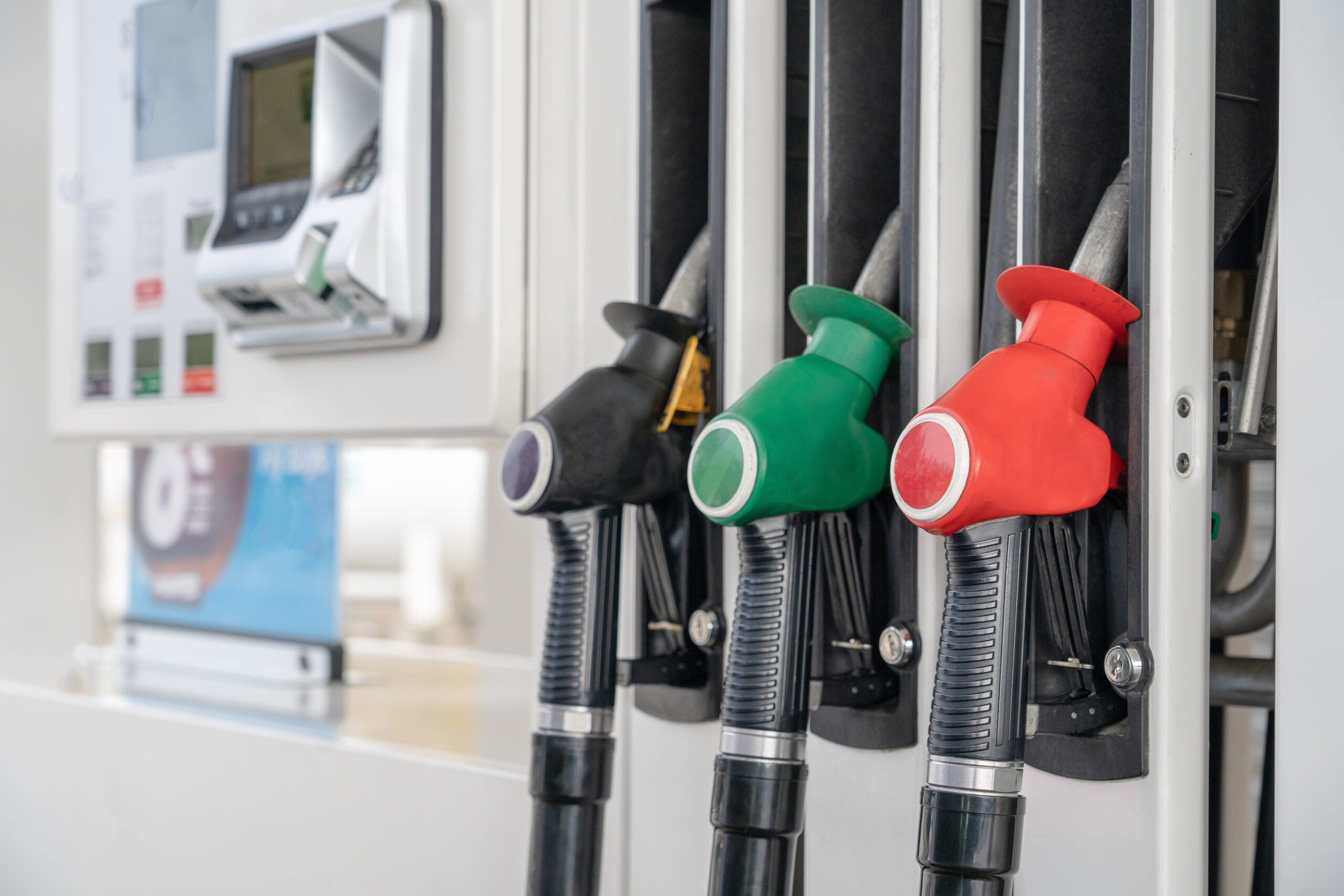
Fuel prices in Vietnam remain volatile even after government measures cut prices last week.
PRICE FLUCTUATIONS
From 5 to 14 March, Vietnam’s fuel prices changed as much as five times; four of which are increases and one was a government-imposed price cut.
As global conflicts cause fuel prices to rise sharply worldwide, the Vietnamese government responded by tapping into its Fuel Price Stabilisation Fund to soften the blow for its motorists. The stabilisation fund allows the allocation of VND 4,000/L (AUD 0.21/L) for petrol and VND 5,000/L (AUD 0.27/L) for diesel.
While fuel changes are usually announced on Thursdays, the Vietnamese government has allowed earlier announcements provided that the price rises by seven per cent or more.
In addition, the government announced a decree that cut import tariffs on petroleum products. The government’s other efforts to reduce fuel consumption include urging businesses and organisations to implement work-from-home arrangement for their employees.
According to data from Petrolimex, fuel prices in Vietnam have risen by as much as 44 per cent, with diesel up 59 per cent and kerosene up 66 per cent. The government has urged importers to increase fuel supply to maintain adequate reserves.
In response to the hike in fuel prices, Vietnamese transportation and logistics companies are adjusting their fees accordingly. The Ministry of Finance also submitted a proposal last week to reduce the country’s environmental protection tax imposed on fuel.
CITIZEN RESPONSE
Results from a study by Cốc Cốc Research revealed that Vietnamese citizens searched for terms “gasoline” and “diesel” alongside other related keywords in early March. Furthermore, the same study showed that Vietnamese citizens were quick to react to official announcements of fuel price changes.
Interestingly, Cốc Cốc Research also observed an increase in searches for the term “electric vehicles.” Around 512,000 searches related to EVs were recorded during the same period in March. As search histories for transportation costs peaked, so did searches for EVs also rose sharply – tripling within a week.
The surge in EV online research reflects growing interest among Vietnamese consumers in switching to electric vehicles.
Did you find this article interesting? Click the ‘heart’ button above to give it a ‘like’!