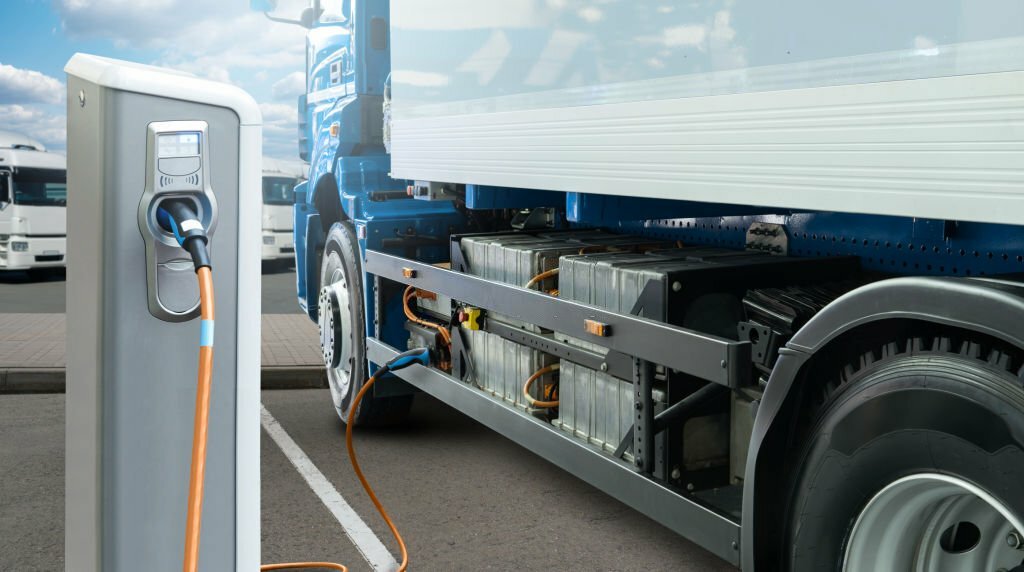
Australia’s electric vehicle and freight sectors are calling on governments to urgently remove regulatory barriers they say are holding back electric truck adoption during a period of rising diesel costs and ongoing fuel supply pressure.
In a new report released by the Electric Vehicle Council (EVC), industry leaders argue that outdated freight regulations are preventing electric trucks from operating efficiently despite growing demand for lower-emission freight solutions.
The report, titled ELECTruck: Powering Australia’s Trucks with Australian Energy, claims many electric trucks are spending significant portions of the day idle because rules originally designed around diesel vehicle noise restrictions still apply to quieter battery-electric trucks.
According to the report, the restrictions can result in productivity losses of between 15 and 25 per cent on electrified freight routes, while costing operators up to $150 per vehicle per day in lost productivity.
“Australia has invested in the cleanest, quietest delivery technology ever built – and then locked it out of the very hours where it would make the biggest difference,” said EVC CEO Julie Delvecchio.
“A rule designed to solve a diesel problem is now blocking the very technology that solves it. This is the most Australian policy failure you’ll ever see – but the fix costs nothing.”
Five reforms proposed
The report outlines a five-point plan that industry groups say could be implemented within 12 months to accelerate electric truck deployment across Australia. This includes:
- Point-of-sale incentives for electric trucks for faster access to purchase support and reduced upfront costs
- Remove noise restrictions for electric trucks to enable overnight and off-peak freight operations
- National heavy vehicle charging roadmap to expand charging infrastructure planning
- Payload concessions for battery weight to offset additional EV truck battery mass
- Broader road access for electric trucks to allow access to more council and delivery routes
The report also compares Australia’s current support systems with overseas markets, noting it can take up to four years to access government incentives for electric trucks locally, compared with approximately four minutes in New Zealand.
Fuel security and freight efficiency
The industry push comes amid continued concern over fuel supply volatility and elevated diesel prices linked to global supply disruptions.
The report states that an articulated electric truck could displace up to 45,000 litres of diesel annually. Scaling electric truck deployment to 50,000 vehicles could reduce diesel imports by an estimated 2.25 billion litres each year.
“This isn’t about waiting for new technology. The trucks exist. The operators want them. The energy is here – the only thing missing is policy that’s caught up to reality,” said EVC Senior Policy Officer for Heavy Vehicles Cameron Rimington.
The report also references Productivity Commission estimates suggesting outdated heavy vehicle access restrictions could be contributing to up to $4 billion in lost GDP annually.
“This isn’t a climate cost. It’s not a transition cost. It’s an economic cost we are choosing to wear, every year, for no good reason,” said Ms Delvecchio.
“The trucking industry runs on 2% margins. Every dollar lost to inefficient regulation flows straight through to higher grocery prices, higher building supplies, higher retail costs. When trucks stop, Australia stops.”
Industry backing grows
The report follows an open letter sent to Australian governments in May 2026 and signed by more than 45 organisations across the transport, logistics, charging and energy sectors.
Signatories included Volvo Trucks, Daimler Truck, Tesla, IKEA, DHL and Fortescue.
Industry groups say coordinated policy reform will be needed if Australia is to accelerate heavy vehicle electrification and reduce reliance on imported diesel fuel.
Did you find this article interesting? Click the ‘heart’ button above to give it a ‘like’!