Plans to make new homes ready for electric vehicle charging have been pushed back, raising concerns that Australians will face higher costs when switching to electric cars.
Federal, state and territory ministers recently agreed to postpone updates to the National Construction Code that were meant to begin in 2026. The proposed changes would have required new houses and apartment buildings with parking spaces to include wiring and electrical capacity for EV charging. These changes will now not be considered until 2029.
The Electric Vehicle Council (EVC) says the delay is at odds with national goals to cut carbon emissions and increase the number of electric vehicles on the road.
EVC chief executive Julie Delvecchio said the decision risks making it harder for households to adopt cleaner technology.
“Every home without these provisions will be more expensive to retrofit later, creating unnecessary barriers for Australian families wanting to make the switch to electric vehicles,” she said.
“This is a missed opportunity to embed practical, low-cost electrification measures into our building standards at a time when urgent action is needed.”
Cost Difference is Significant
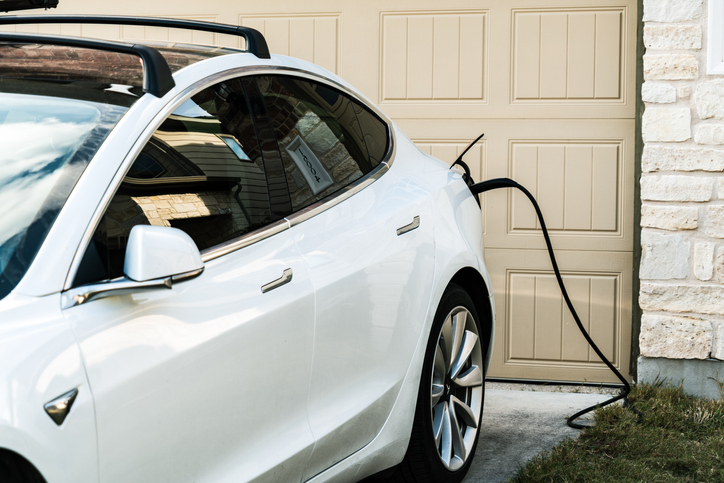
Analysis of the proposed updates showed that increasing a switchboard’s capacity during construction would cost only about $15. Installing the same upgrade after a home has been built could cost around $600. Adding a dedicated charging circuit during construction was estimated at around $350.
The EVC says most drivers will charge their vehicles at home rather than at public charging stations.
“We know that 85 per cent of Australians will charge their EVs at home so ensuring newly built residences are EV-ready makes going electric more cost effective,” Ms Delvecchio said.
“Many policy levers need to be pulled to ensure that one in every two cars on Australian roads is electric by 2035.”
Experts Warn Delay Will Push Costs to Households Later
In an Australian Associated Press (AAP) report, Swinburne University transport technology professor Hussein said waiting to add EV wiring later will not save money.
“EV-ready wiring and dedicated circuits in new homes is one of the simplest, lowest-cost ways to support EV adoption,” he said. “Delaying these provisions only shifts cost and inconvenience on to homeowners later when retrofitting will be more expensive.”
Meanwhile, Australian Electric Vehicle Association president Chris Jones said the change may lead to frustration but will not stop Australians from buying EVs.
“It might be a little more inconvenient but the benefits of an EV far outweigh the inconvenience,” he said.
Did you find this article interesting? Click the ‘heart’ button above to give it a ‘like’!