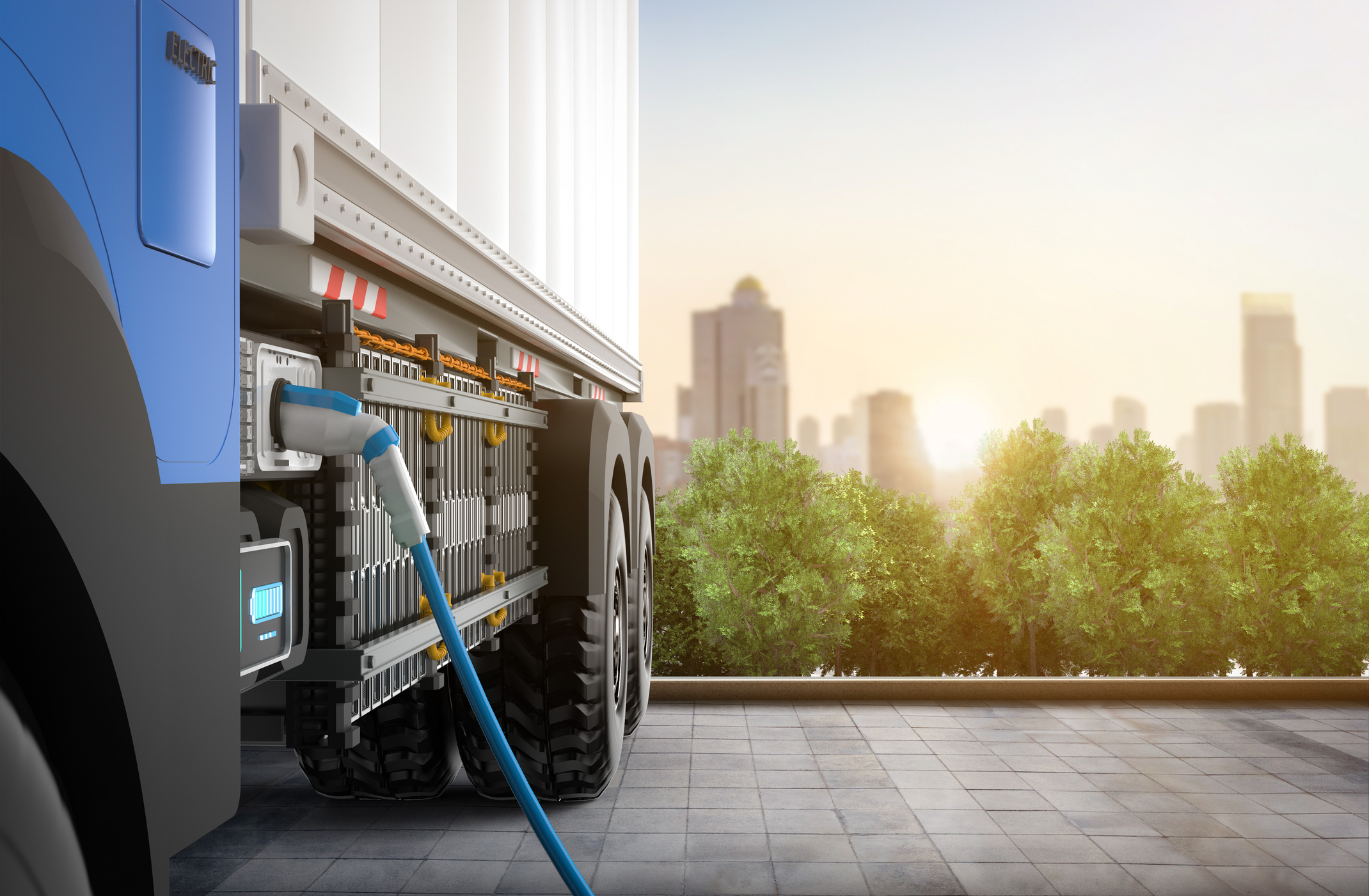
A new Australian-developed modelling platform is aiming to remove some of the uncertainty surrounding the transition from diesel freight vehicles to battery-electric trucks.
Developed by Eco Route Advisory, the platform uses operational and route data to help freight operators understand how electric trucks could perform under real-world conditions before investing in vehicles or charging infrastructure.
The project recently received a $440,000 grant from the Australian Renewable Energy Agency (ARENA) through its Advancing Renewables Program, with the funding intended to support development of the technology as interest in electric freight transport continues to grow.
Turning route data into operational planning
Rather than relying on manufacturer range estimates alone, the platform evaluates a wide range of operational variables including payload weight, road gradients, battery condition, speed zones, charging requirements and heavy vehicle driver fatigue rules.
The goal is to help operators determine whether an electric truck can complete a route efficiently, where charging would be required and how long charging stops may take.
Eco Route founder Marceline Overduin said many freight businesses are still trying to understand how electric trucks would perform in day-to-day operations.
“There’s ambiguity around how far an electric truck will actually go, and it’s often because the actual range is different to what the manufacturers publish in their nice, shiny brochures,” Ms Overduin said.
“We do feasibility assessments within minutes, figuring out how far a truck can go, where they’re charging, how much they’re charging, how long their dwell time is going to be.”
The platform currently includes modelling for several truck brands including Windrose and Janus, with the company saying its calculations have already been validated against live freight runs.
Reducing the cost of fleet trials
Eco Route says the technology could reduce the need for expensive live vehicle trials during early-stage fleet planning.
“A live trial of two weeks will usually cost an operator around $20,000 but the tool for one journey is a fraction of that,” Ms Overduin said.
“My saying is insight before investment – you should know if it’s going to work before you sign the piece of paper that binds you.”
Infrastructure planning potential
ARENA transport general manager Alex Grant said the platform could also support broader charging infrastructure planning as electric heavy vehicle deployment expands.
“This tool is a very scalable model for government, industry, and operators,” Grant said.
“It’ll give infrastructure planners good data to be able to map out what their processes look like and how they need to go about rolling out a backbone. It’s arrived just at the right time.”
Electric freight interest continues to build
Heavy vehicles account for only a small portion of Australia’s total vehicle fleet but contribute a significant share of transport emissions.
As freight operators face increasing fuel costs and stronger decarbonisation targets, interest in electric trucking has accelerated across several parts of the industry.
Projects currently underway include proposed electric freight corridors in New South Wales and local electric truck manufacturing plans from Volvo Trucks in Brisbane.
Did you find this article interesting? Click the ‘heart’ button above to give it a ‘like’!