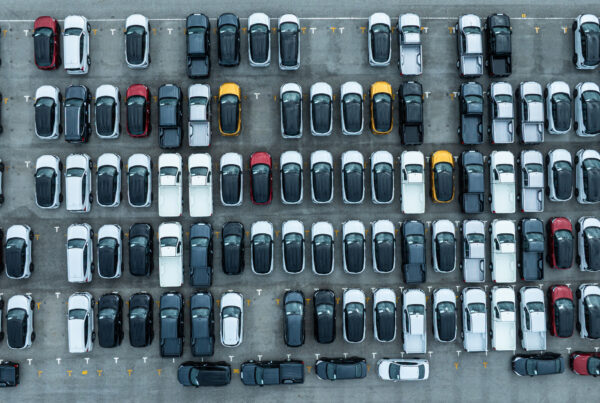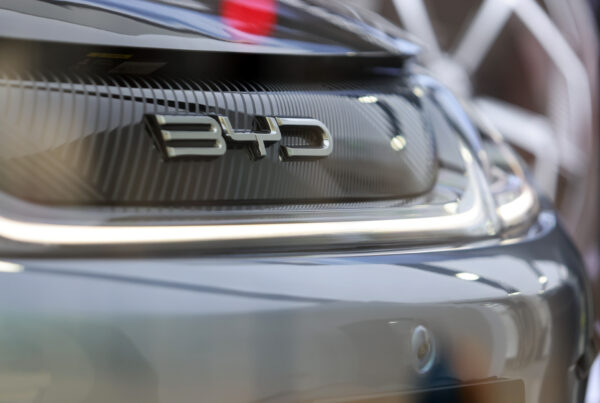

A fleet of 959 Thai-manufactured BYD Dolphins is currently on its way to Europe on the BYD Zhengzhou. These vehicles will be sold to Germany, Belgium, the UK, and the Netherlands.
THE FIRST OF MANY
This is the first batch of BYD’s Thailand-manufactured vehicles to be sold in the European market. Thailand first started producing the Dolphin model last year on the 4th of July in 2024 from their factory in the Rayong province.
The export of this initial fleet is a significant milestone in BYD’s global expansion. “Following the delivery of our 90,000th NEV in July, we are once again achieving a breakthrough. The export of Thailand-produced Dolphin models to Europe for the first time not only represents another step forward in BYD’s globalization strategy but also underscores Thailand’s vital role in the global EV supply chain,” said General Manager of BYD Thailand, Ke Yubin.
BYD’s production of the Dolphin model in Thailand is the first of a THB 35 million (AUD 1.7 million) investment, which takes advantage of the country’s available tax benefits for EV makers. This investment spans nine projects that also includes battery and powertrain manufacturing.
Though the production of Dolphin began as right-hand drive, BYD eventually included left-hand drive production for additional exports. The right-hand drive vehicles were initially intended for both Thai and regional markets.
THE EV 3.0 SCHEME
Thailand introduced the revised EV 3.0 Scheme earlier in July of 2025. The policy aims to position the kingdom as a global EV manufacturing hub. Under this scheme, manufacturers can count each export-ready vehicle as 1.5 units of their progress towards their production quotas. This revision came at the recommendation of the Federation of Thai Industries (FTI) Auto Club.
The original scheme counted only locally assembled EVs for domestic markets, not for export.
Narit Therdsteerasukdi, Secretary General of the Thailand Board of Investment (BOI) and the secretary of Thailand’s EV Board, said in a statement: “The revisions approved today will allow greater flexibility and help Thailand, which is already the leader in the region’s automotive manufacturing industry, to become a key EV production base.”
With the change in policy, the BOI expects EV exports to rise to 12,500 units this year and 52,000 units in 2026.
Did you find this article interesting? Click the ‘heart’ button above to give it a ‘like’.