
The Australian automotive market is undergoing notable shifts, driven by a combination of factors ranging from changes in consumer preferences to government incentives. This report delves into key trends shaping the industry, focusing on new stock availability, considerations of alternate brands, pricing dynamics, the growing focus on electric vehicles (EVs), and the impact of government incentives. Additionally, insights from the UK and European used car markets are examined, providing a comprehensive overview of the current state of the industry.
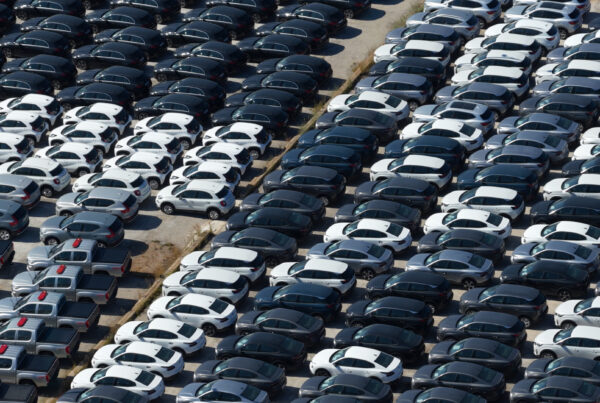
The Australian automotive market has seen a surge in new vehicle stock availability resulting in recording breaking sales, prompting consumers to consider alternate brands due to the broader range now accessible. As a result, the market is experiencing a shift in preferences as buyers explore options beyond their traditional choices, contributing to a more diverse and competitive landscape.
Australia is witnessing an increased volume of Chinese-manufactured vehicles entering the market. This influx is contributing to a more diverse range of options for consumers. However, it also poses challenges, particularly in terms of market adaptation and competition.
One notable trend is the subsidence in used car pricing as the market corrects after a tumultuous couple of years, particularly in the internal combustion engine (ICE) segment. Simultaneously, there is a growing focus on electric vehicles (EV’s) and HEV’s, aligning with global efforts to transition towards more sustainable transportation solutions. This shift is driven by a combination of environmental consciousness and government initiatives that incentivise the adoption of EV’s.
Government incentives play a pivotal role in shaping the automotive market. In Australia, various states offer incentives to promote EV sales. For example, Victoria has waived its luxury car tax on Electric vehicles, while Queensland has implemented reduced stamp duty for EVs. Tasmania goes a step further by waiving stamp duty on both new and used EVs. The FBT exemption for EV’s has increased the allure to prospective buyers. These incentives not only reduce the upfront cost for consumers but also contribute to a more sustainable and eco-friendly transportation ecosystem.
To further instil confidence in consumers considering second-hand EVs, there is a rising emphasis on the requirement for EV battery health checks. This practice aims to assess and assure buyers of the battery’s condition, addressing concerns related to longevity and performance. Such measures are crucial in fostering trust and accelerating the adoption of EVs in the used car market.
Analysing the used car markets in the UK and Europe provides valuable insights into global automotive trends. Observations from these regions can offer a comparative perspective on pricing, consumer behaviour, and the impact of regulatory measures.
While ICE used car pricing is expected to stabilize, the pricing of used EVs could be more volatile. This reflects the evolving nature of the EV market, influenced by technological advancements, battery developments, and shifts in consumer perceptions.
In conclusion, the Australian automotive market is undergoing a transformative phase marked by increased diversity, growing EV adoption, and government-driven initiatives. As consumer
preferences continue to evolve, industry players must adapt to these changes to remain competitive in this dynamic landscape.
Autorola Australia continues its commitment to achieving the highest net return on remarketing fleet assets by adopting its lean process of advanced remarketing and adapting to these market conditions.