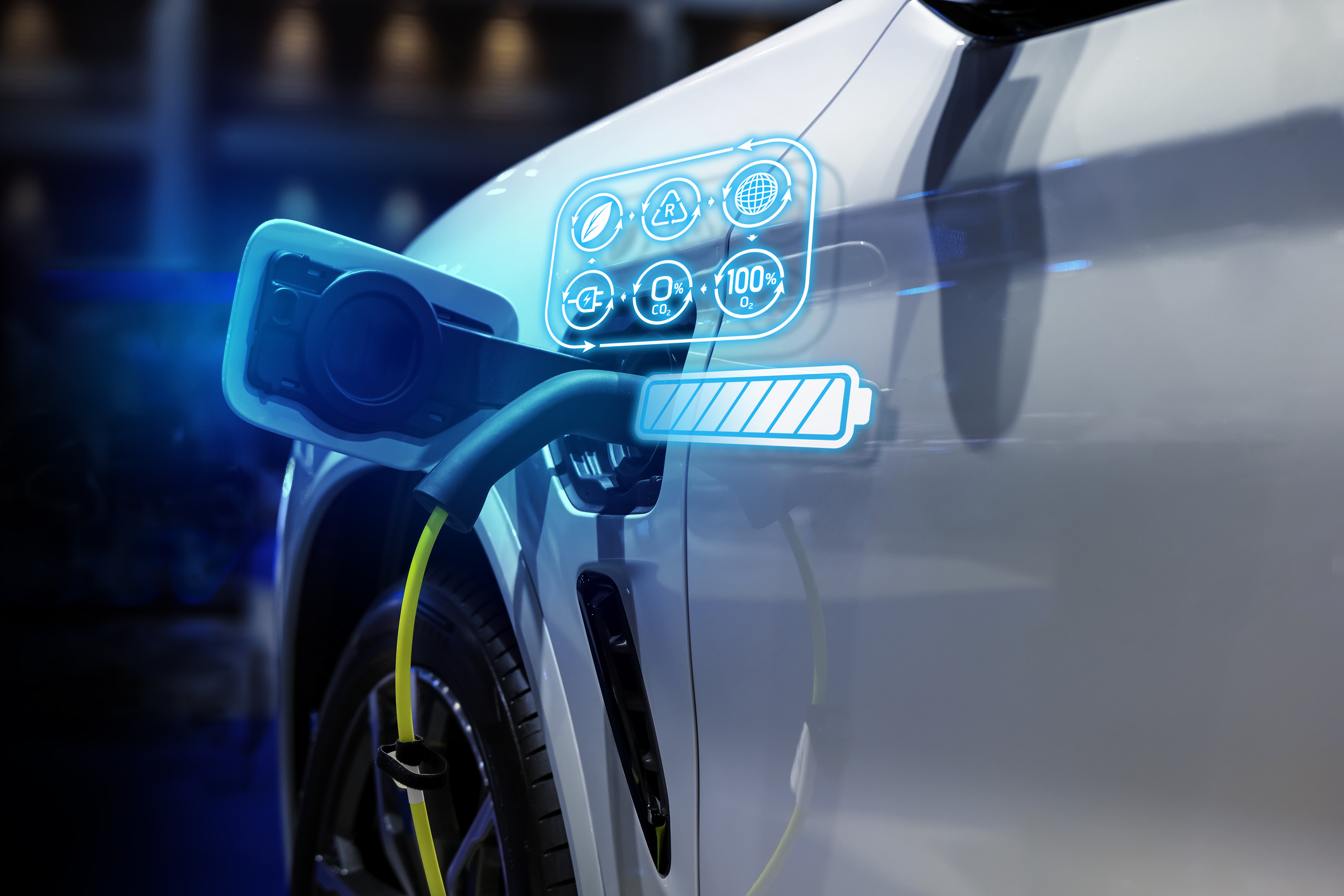
Cost-of-living pressures and concerns about volatile fuel prices are helping sustain demand for electric vehicles (EVs), with 26,287 battery electric vehicles (BEVs) sold in Australia during September 2026, according to data from the Federal Chamber of Automotive Industries (FCAI) and Electric Vehicle Council (EVC).
The National Automotive Leasing and Salary Packaging Association (NALSPA) said the Federal Government’s Electric Car Discount continued to help working Australians access vehicles with lower running costs and reduce their exposure to fluctuating petrol prices.
NALSPA chief executive Rohan Martin said affordability remained a key consideration for households looking to switch to electric.
“Facing cost-of-living pressures, working Australians are looking for practical ways to make their household budgets go further and protect themselves from volatile petrol prices,” Mr Martin said.
“An EV can deliver substantial savings on running costs, but households first need to be able to afford the switch. That is where the Electric Car Discount continues to make a real difference.
“Our members regularly hear from working Australians who would not have been able to consider an EV without the Electric Car Discount. It is helping families access lower running costs while making the vehicle payments more affordable.”
EVs offer potential savings for households
NALSPA said the discount was helping more households access EVs while reducing transport expenses.
According to the association, Australians who accessed an EV through the Electric Car Discount between mid-2022 and mid-2026 are expected to have collectively saved $609 million on fuel by Christmas 2026.
Mr Martin said those savings could help families manage everyday expenses, including groceries, bills and housing costs.
The association also highlighted the potential benefits for households with rooftop solar, which can be used to charge EVs with electricity generated at home.
“A home battery can extend that opportunity by storing solar energy for charging later and we note that Australian households installed a record number of rooftop solar systems and home batteries in the first half of 2026.
“That gives families greater control over their transport costs and reduces their exposure to international oil markets and fuel-price shocks,” Mr Martin said.
Outer suburbs among leading areas for uptake
NALSPA said postcodes with the highest uptake of the Electric Car Discount were concentrated in outer suburban areas of Sydney, Melbourne and Brisbane.
According to the association, these communities already have rooftop solar uptake above their respective state averages, while home battery installations are also growing.
Mr Martin said EVs could help households in these areas reduce transport costs while contributing to Australia’s energy security.
“For many of these households, an EV is the next step in further driving down their burgeoning household costs, and strengthening our nation’s energy security too.
“The Electric Car Discount is helping deliver those benefits by making EVs accessible to more working Australians.”
NALSPA backs continuation of Electric Car Discount
NALSPA has called for the Electric Car Discount to continue as proposed by the Albanese Government from April 2027.
Mr Martin said maintaining the discount would be important to sustaining EV uptake and keeping potential household savings within reach of more Australians.
“Ensuring the Discount continues as proposed by the Albanese Government from April 2027 will be essential to sustaining that progress and keeping those savings within reach of more households,” he said.
Did you find this article interesting? Click the ‘heart’ button above to give it a like!