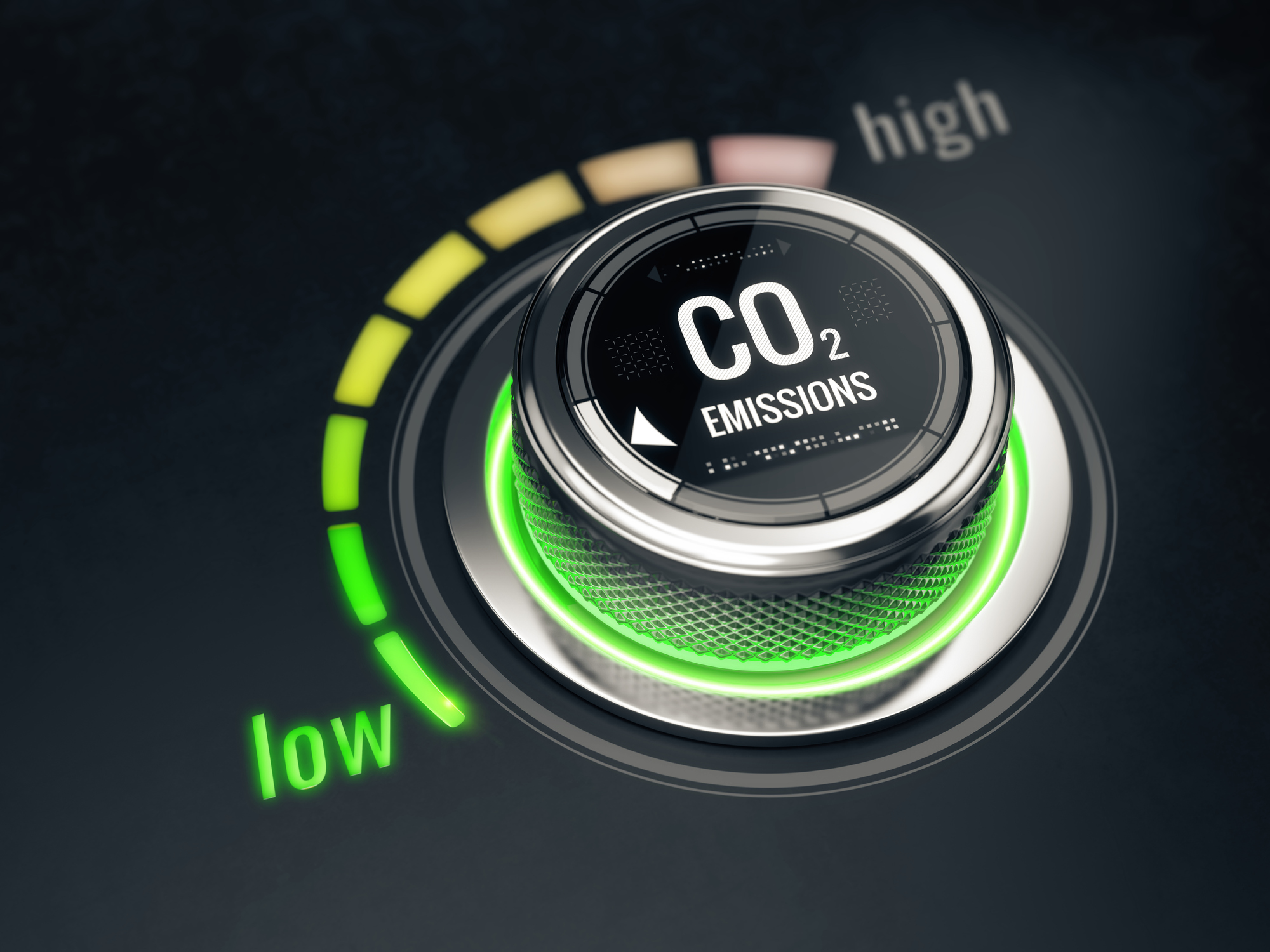
The Thai government is planning to restructure its vehicle excise tax scheme by basing it on carbon emissions rather than vehicle fuel type.
From fuel to carbon
Thailand’s Finance Ministry proposed to lower excise taxes for automotive original equipment manufacturers (OEMs) based in the country. These OEMs must fulfil the following criteria:
- Investment in production bases within Thailand
- Use of local components or raw materials in production
- Manufacturing vehicles for export in Thailand
The ministry is proposing to base vehicle classifications on carbon emissions, rather than a vehicle’s fuel type. This change is meant to encourage manufacturers to transition into producing clean energy vehicles while minimising impact on internal combustion engine (ICE) vehicle manufacturers.
Furthermore, the proposed structure will not be limited to battery electric vehicles (BEVs). ICE manufacturers may use this opportunity to transition into producing hybrids (including plug-in hybrids) and range extended electric vehicles (REEV).
The country’s Excise Department, under the Finance Ministry, hopes that the change in tax structure will ease competition and pressure in Thailand’s automotive industry. The restructure also aims to attract more foreign investors for the industry.
“This approach will allow assembly plants and parts manufacturers in the traditional combustion-engine vehicle industry to apply their existing skills and capabilities as they gradually make the technological transition, while helping to retain the existing workforce,” said Pornchai Thiraveja, Director-General of Thailand’s Excise Department.
Pornchai said that the department is still establishing the broad principles of the new policy. She remarked further that discussions about the policy change should focus on the overall industry’s transition from petrol vehicles to EVs rather than a difference in taxes.
Inside the restructure
According to Thai publication The Nation, the proposed restructure will be based on three primary objectives:
- Increase in new technology vehicle imports, leading to domestic investment
- Thailand’s expansion as global EV production and export hub
- Supporting the local supply chain in increasing value for components, systems, and technologies
The first objective refers to increasing imports of new vehicle models and technologies from various brands. These imports will allow the local industry to open for testing and market studies, which may support foreign investors to invest in production in Thailand.
The second objective refers to leveraging Thailand’s reputation as a major vehicle manufacturing hub in Asia. The government hopes to expand this reputation into vehicle exports as well as low-emission vehicles.
Lastly, the third objective refers to supporting Thailand’s local parts supply chain to transition into producing critical parts and technologies for new energy vehicles (NEVs).
Did you find this article interesting? Click the “heart” button above to give it a like!