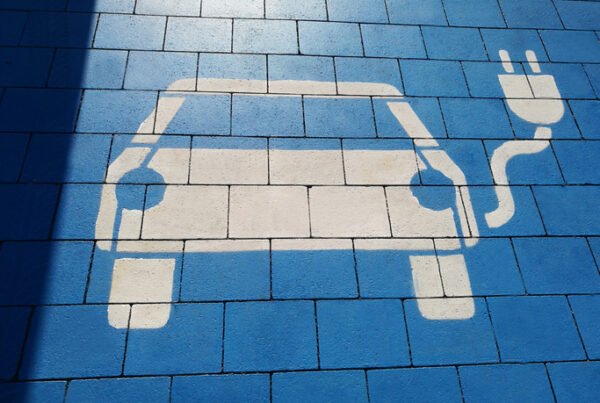

Thai auto industry groups are lobbying and urging the government to change its current EV policy, set to end in 2027.
Banding together
A group of 10 auto associations in Thailand came together to urge the Thai government to raise taxes on completely built up (CBU) electric vehicles. The groups represent over 1,500 automotive companies in the country, including manufacturers of vehicles and vehicle parts.
The associations include:
- Electric Vehicle Association of Thailand (EVAT)
- Thai Automotive Parts Manufacturers Association (TAPMA)
- Thai Subcontracting Promotion Association (THAI SUBCON)
- Thai Printed Circuit Association (THPCA)
- Thai Automation and Robotics Association (TARA)
- Thai Composites Association (TCA)
- Thai Die and Mold Industry Association (TDIA)
- Thai Embedded Systems Association (TESA)
- Thai Energy Storage Technology Association (TESTA)
- Thai Foundry Association (TFA)
The group of associations collectively submitted a proposal urging the government to update its policy, lest the local industry “fall off a cliff.” According to their letter, the group is concerned about unfair competition between local automakers and foreign CBU importers in the local market.
As Thailand’s overall EV transition hastens, these local groups worry that the industry may face a “most serious crisis” without government intervention.
A call for change
The letter proposed an excise tax of at least 32 per cent to be imposed on foreign vehicle importers. Currently, China-based importers enjoy a 0 per cent import tax due to the ASEAN-China Free Trade Area (ACFTA).
The group of associations stated that producing locally costs 30-40 per cent more than importing from China. The difference in cost harms local parts producers and suppliers, prompting the proposal to increase the excise tax to 32 per cent and stimulate the local supply chain.
Related to imports, the proposal includes a suggestion to adopt a “carrot” import quota system. The proposed system will link directly to local production and production volume, encouraging companies that have invested in local production to import CBU EVs at 10 per cent excise tax.
President of EVAT, Suroj Saengsanit, defended the position of the letter, stating that the request for an increase on excise tax is not to raise the prices of vehicles but to ensure fair competition between foreigners and local manufacturers.
The letter also called for more substantial replacement measures when Thailand’s EV 3.5 policy ends in 2027. When this policy inevitably ends, Chinese automakers who have invested in domestic manufacturing are likely to import CBU vehicles.
In terms of safety, the group proposed that the testing of advanced driver assistance systems (ADAS) be tested locally and calibrated with Thai requirements in mind.
Lastly, the group proposed a minimum of 80 per cent local content in vehicle production, with no reports as yet on the government’s response to this proposal.
Did you find this article interesting? Click the ‘heart’ button above to give it a ‘like’!