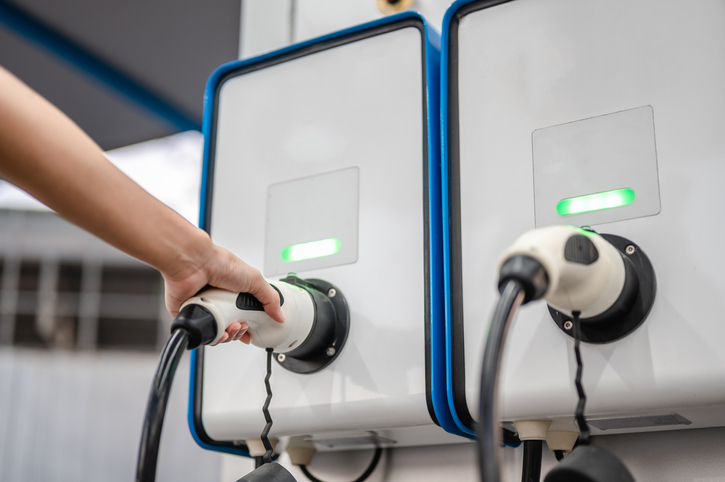
New Zealand’s Government is opening a second round of zero-interest loans to support investment in public electric vehicle (EV) charging infrastructure. Around $21 million will be made available for charge point operators seeking co-investment for charging sites across the country.
Second round targets charging network expansion
Transport Minister Chris Bishop said limited access to public chargers remained a concern for motorists considering EVs, particularly for longer journeys outside major centres.
“Many Kiwis are interested in making the switch to an EV to cut down on fuel costs or their carbon footprint, but we continue to hear concerns about access to public chargers, especially for longer journeys outside main centres,” said Mr Bishop.
“Before this Government began addressing the issue, New Zealand had just over 1,800 public charge points – one of the lowest charger-to-EV ratios in the OECD.”
Mr Bishop said the Government was using the loans to encourage private investment in charging infrastructure and support the expansion of the public network.
“That’s why we’re taking practical steps to unlock greater private investment, expand the public charging network, and give New Zealanders the confidence they need to make the switch,” said Mr Bishop.
Targeting 10,000 public charge points by 2030
The second funding round builds on the first round of concessionary loans announced in March. The Government said those projects, being delivered through partnerships with ChargeNet and Meridian Energy, will provide 2,574 new charge points and more than double New Zealand’s existing public charging network.
“Round one demonstrated strong market demand for the programme and showed concessionary loans can successfully unlock significant private sector investment,” said Mr Bishop.
“By 2030, our target is to have 10,000 public charge points across the country, providing roughly one charger for every 40 EVs.”
Reducing investment barriers
Energy Minister Simeon Brown said concessionary loans could help address the challenge of building charging infrastructure before demand has fully developed.
“Concessionary loans lower the cost of capital and help overcome the challenge that charging infrastructure often needs to be built before demand is fully established,” said Mr Brown.
The loans can cover up to 50 per cent of eligible project capital costs, carry a zero per cent interest rate and have a maximum tenure of 12 years.
Mr Brown also said the Government’s approach was intended to bring forward private investment while reducing the barriers to charging infrastructure deployment.
“By partnering with the private sector, we’re bringing forward investment, getting more chargers into communities sooner, and ensuring taxpayers receive good value for money,” he added.
Outline for wider EV measures
The Government said the charging programme is part of a wider set of measures seeking to support electrification and give households greater control over energy use.
These measures include:
- developing minimum standards for EV chargers
- allowing most EV chargers in public places to be installed without consent through changes to national direction under the Resource Management Act; and
- requiring gentailers (generators and retailers) to offer time-of-use electricity plans.
The Government is also doubling household electricity export limits from 5k W to 10 kW, developing a plug-in solar standard and installing rooftop solar on up to 500 schools.
Mr Brown said the additional charging investment would help reduce range anxiety while supporting greater choice for New Zealand motorists.
“New Zealanders will make the best choices for their own circumstances, as we are seeing with the greater uptake of EVs without unnecessary subsidies from taxpayers,” he said.
“With actions like loans for public EV chargers, the Government is helping provide the infrastructure and settings to broaden those choices.”
Did you find this article interesting? Click the “heart” button above to give it a like!