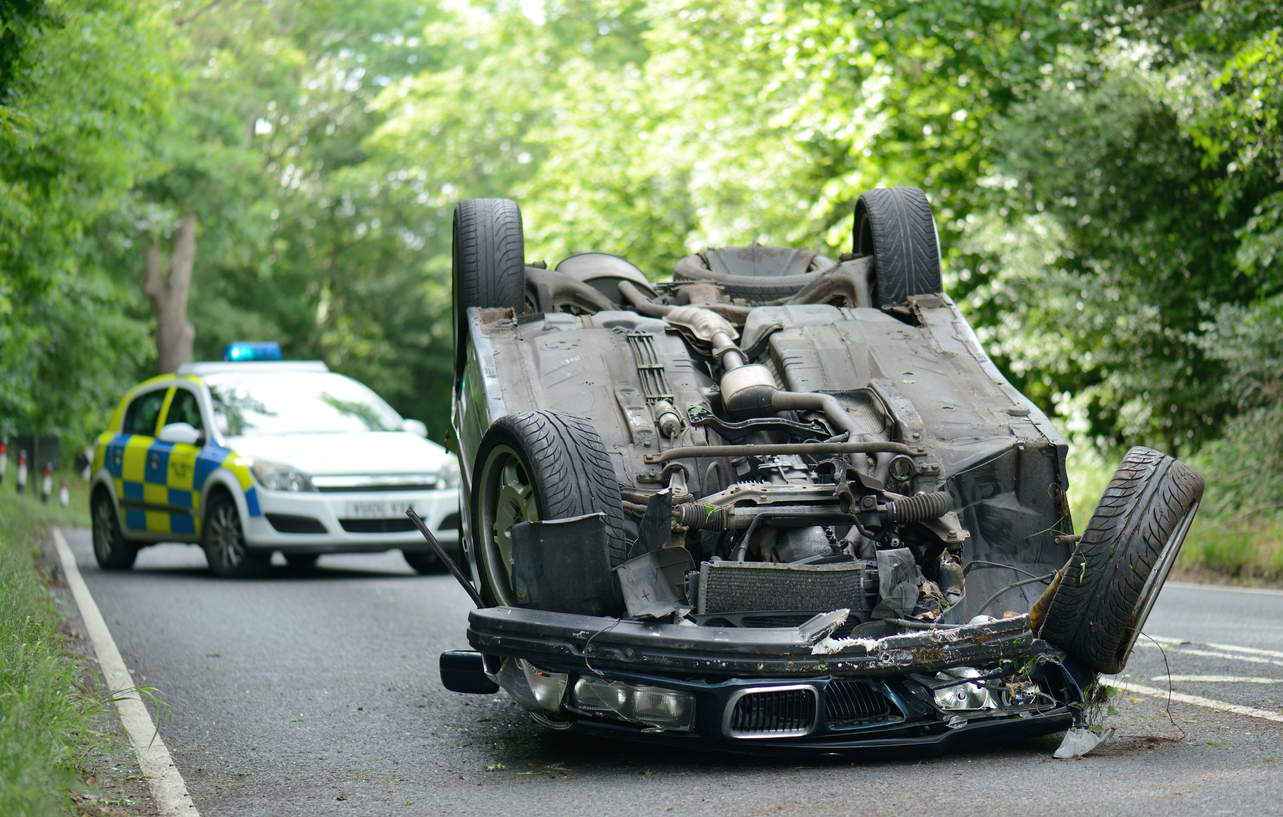
Australia’s road toll has reached its highest level in 15 years, with a sharp rise in pedestrian deaths worrying safety experts.
New data from the national road safety hub shows 1,340 people died on Australian roads in the 12 months to July 31, 2025. This is up 2.9 per cent on the previous year. Of those deaths, 205 were pedestrians, which is 44 more than the year before.
Since 2021, road deaths have climbed 22.2 per cent, while pedestrian fatalities have risen almost 50 per cent. The findings come despite the federal government’s target to halve road deaths by 2030.
Australian Automobile Association (AAA) managing director Michael Bradley said the results were a clear warning.
“Since 2021, when the Australian government adopted a national road safety strategy target of halving road deaths by 2030, total road fatalities have increased by 22.2 per cent,” an AAA spokesperson said.
“Over the same period, fatalities among pedestrians have increased by 48.6 per cent.”
The government says it is introducing measures to improve safety, including new rules for vehicle design.
“This includes Australian Design Rules that cover devices for indirect vision to reduce blind spots around trucks and advanced emergency braking for passenger vehicles to reduce fatal collisions with pedestrians,” a spokesperson for Transport Minister Catherine King said.
NSW, QLD, VIC, and WA are the Most Affected States
New South Wales recorded the most deaths with 355, followed by Queensland and Victoria, each with 299. Western Australia saw a sharp rise with 204 deaths, an increase of 12.7 per cent.
Tasmania had the biggest increase, with road deaths rising 41.9 per cent to 44. South Australia and the Northern Territory were the only regions to record fewer deaths.
Pedestrian deaths rose fastest in Western Australia and Queensland.
“The rising rate of pedestrian deaths was driven by sharp increases in Western Australia, 31 deaths, up from 14 a year earlier, and Queensland, 37 deaths, up from 23 a year earlier,” the AAA said.
Speed and New Devices are Key Risks
Harold Scruby, chief executive of the Australian Pedestrian Association, said speed and new devices are key risks.
“We could easily make all of our CBDs 30 kph,” he said. “Paris, London, Madrid have 30 kph zones in high pedestrian activity areas, and that also helps the cyclists. The traffic moves well together and safely.”
He also raised concerns about e-scooters and e-bikes being allowed on footpaths.
“Footpaths were created for one purpose, to protect pedestrians from vehicles and to make us safe, and what do we do? We invite these high-powered motor bikes and e-scooters, and we expect things to not go awry,” he said.
Transport ministers met in Melbourne earlier this month and agreed that Western Australia will lead work on new rules for e-scooters. The federal government says it will support states and territories in managing risks from personal mobility devices.
Did you find this article interesting? Click the ‘heart’ button above to give it a ‘like’.