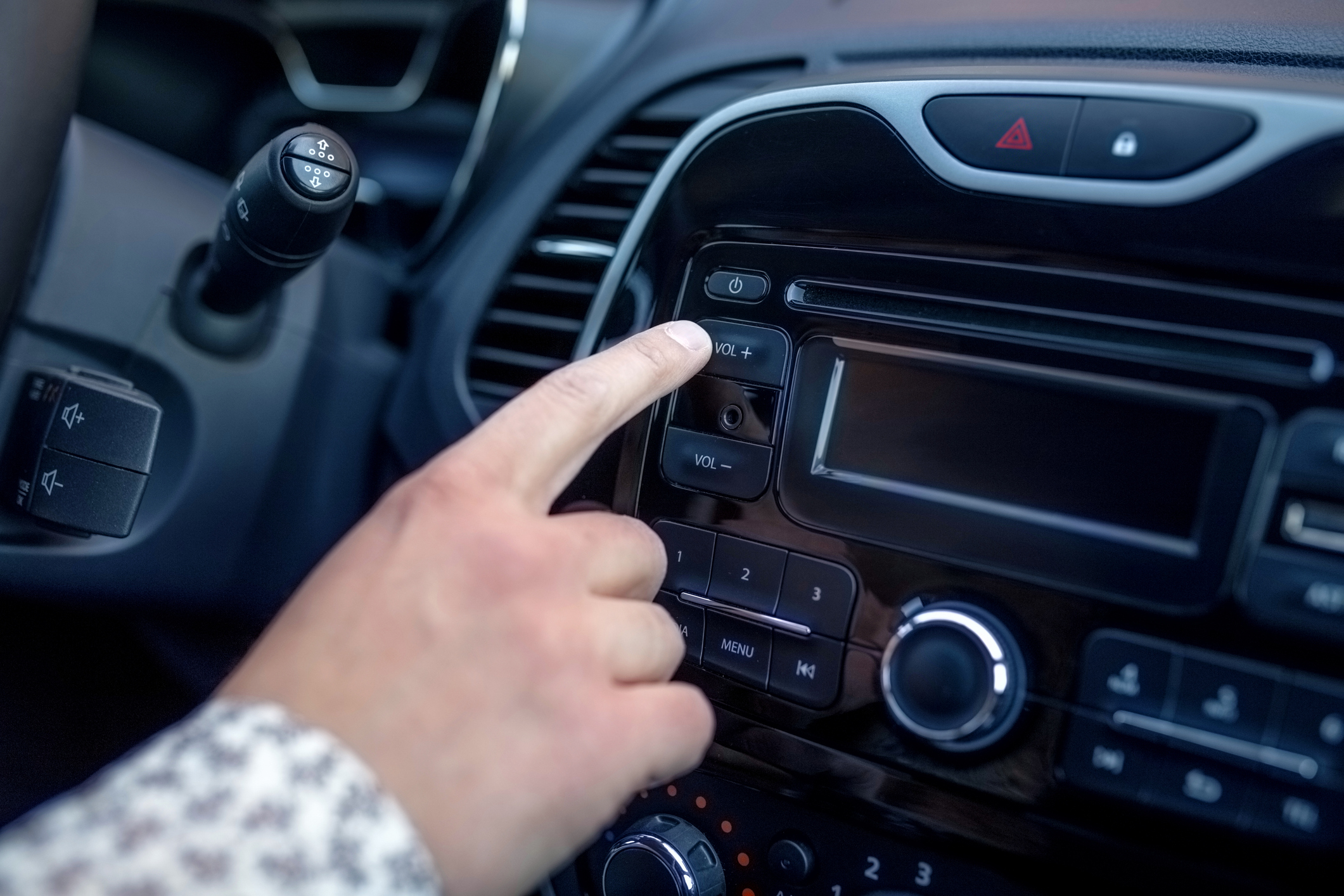
Vehicle safety bodies are encouraging carmakers to reintroduce physical buttons for key in-vehicle controls, citing concerns that touchscreen-heavy dashboards may increase driver distraction.
The organisations say future safety assessments will reward vehicles that provide physical control for basic functions.
In 2025, Euro NCAP announced major changes in the way it will assess vehicle safety.
In a press release, they said “New assessments of the human–machine interface (HMI) is introduced, evaluating the placement, clarity, and ease of use of essential controls — including the availability of physical buttons for commonly used functions, which consumer feedback suggests can reduce distraction.”
Meanwhile, ANCAP also said it will be awarding higher safety ratings for new vehicles with physical safety buttons, rather than relying solely on touch screen interfaces.
“From 2026, we’re asking car makers to either offer physical buttons for important driver controls like the horn, indicators, hazard lights, windscreen wipers and headlights, or dedicate a fixed portion of the cabin display screen to these primary driving functions,” they said.
Touchscreen trend raises safety questions
Modern vehicle dashboards increasingly rely on digital infotainment systems, with some models shifting most controls to central touchscreens.
In an interview with Morning Report, RNZ, NZ Autocar magazine managing director Richard Edwards said some vehicles now manage nearly all functions through the screen rather than through traditional buttons or switches.
“There are pretty much no physical buttons other than a few on the steering wheel,” Edwards said.
“Everything right down to windscreen wiper settings and the headlight settings and safety feature settings are all within the screen.”
He added that this approach is still limited to a small number of vehicles but reflects an ongoing industry trend toward more screen-based interfaces.
Studies link screens to slower reactions
Edwards said research has suggested that interacting with touchscreens can extend driver reaction times, which may help explain ANCAP’s decision to prioritise physical controls in its ratings.
He added that the safety body likely based its approach on feedback from drivers and industry observers concerned that some design changes may be going too far.
The move also aligns with discussions in Europe, where similar safety programmes are examining whether vehicles with physical controls should receive higher safety scores.
Safety ratings influence vehicle sales
Edwards said ANCAP’s influence extends beyond safety assessments, particularly in Australia and New Zealand where many fleet buyers require vehicles to achieve the highest rating.
“If vehicles start falling from that five-star rating, the sales will likely go down because fleets and governments are the biggest buyers of vehicles,” he said.
He added that the five-star rating remains an important benchmark for many consumers purchasing vehicles for family or business use.
Changes could take time
However, Edwards said any move by manufacturers to redesign dashboard controls could take several years because of vehicle development cycles.
Manufacturers in Europe and Japan typically take between 4 to 8 years to redesign vehicle hardware, depending on where a model sits within its development cycle.
Chinese manufacturers may be able to respond more quickly, he said, with development timelines often ranging from 2to 3 years.
Did you find this story interesting? Click the ‘heart’ button above to give it a ‘like’!