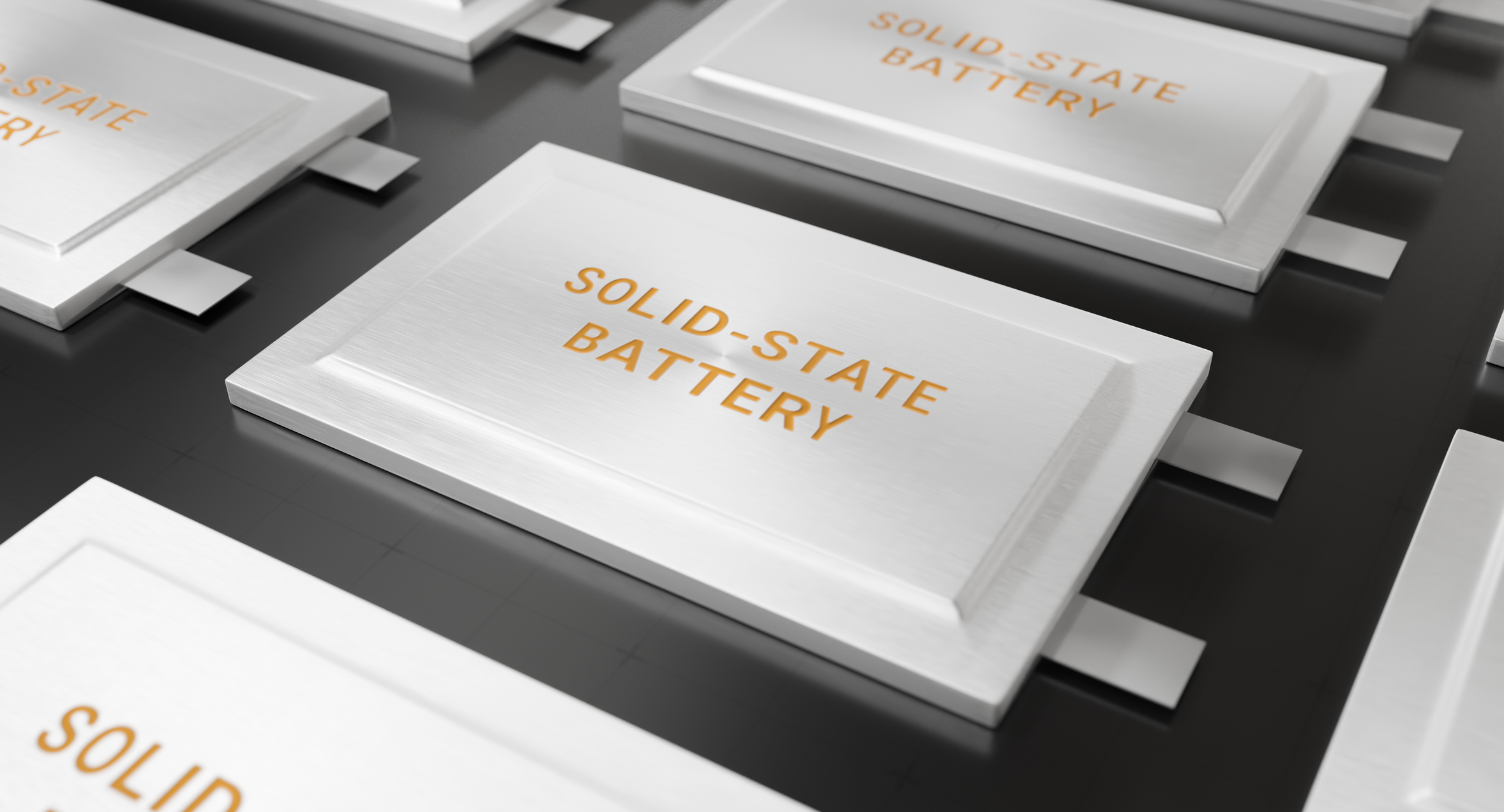
A new production process for all-solid-state battery (ASSB) electrodes is now in the works. Nissan has partnered with US-based LiCAP Technologies, Inc. To create better and more cost-effective electrodes which they view as a key step toward bringing high-performance electric vehicle (EV) batteries to market by 2028.
They are developing a dry production process that removes the need for solvents and drying. This method can lower manufacturing costs and reduce the environmental impact compared to traditional solvent-based processes.
However, Nissan says the challenge is to make the process work efficiently on a large scale.
“Compared to conventional solvent-process electrodes, dry-process electrodes eliminate the need for drying and solvent recovery, significantly reducing manufacturing costs and environmental impact. However, when considering future mass production, achieving high production efficiency remains a major challenge,” the company stated.
“LiCAP’s proprietary Activated Dry Electrode® technology provides significant advantages in production efficiency and performance over traditional methods. The partnership with LiCAP will accelerate the development of dry electrode production process technology, marking an important step toward the realization of next-generation EVs equipped with high-performance and cost-efficient ASSBs,” the company said.
Pilot Line and Future Goals
Nissan opened its ASSB pilot production line in January 2025. This facility is testing new processes and materials to prepare for larger-scale manufacturing. The company’s goal is to have EVs powered by its own all-solid-state batteries ready for launch by fiscal year 2028.
“Nissan began operating its all-solid-state battery pilot line in January 2025. The company aims to launch EVs equipped with in-house developed all-solid-state batteries by fiscal year 2028 and is accelerating its R&D efforts toward this goal,” Nissan added.
All-solid-state batteries are expected to be safer, lighter, and more powerful than today’s lithium-ion batteries. They can store more energy, charge faster, and improve the driving range of EVs. Improving electrode technology is a big part of making these benefits possible.
Did you find this article interesting? Click the ‘heart’ button above to give it a ‘like’!