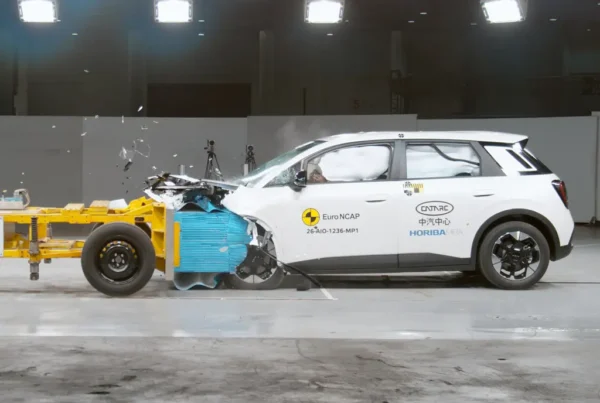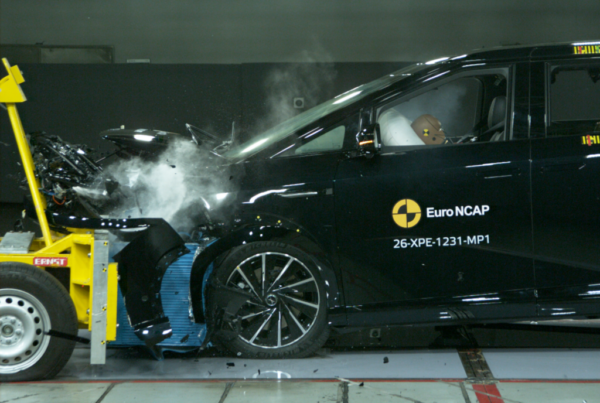

The New Zealand Government has abandoned plans to mandate advanced safety technologies on imported vehicles, following analysis that found the proposed requirements would deliver limited additional safety benefits while potentially increasing vehicle costs.
The NZ Transport Agency (NZTA) confirmed Associate Transport Minister James Meager had decided not to proceed with the proposal, which was open for consultation from October to December 2025.
The proposed mandate would have required light vehicles entering New Zealand to have autonomous emergency braking (AEB), lane departure warning or lane keep assist and, for electric and hybrid vehicles, acoustic warning systems. The proposed implementation dates were October 2026 for new models and July 2027 for existing models and used imports.
According to NZTA, the minister noted that many new vehicles entering the country already have these features and that these features are expected to become more common over time, meaning the mandate would largely accelerate uptake that would occur without regulation.
VIA welcomes decision
The Imported Motor Vehicle Industry Association (VIA) welcomed the decision, saying it balanced safety improvements with vehicle affordability and the need to renew New Zealand’s ageing fleet.
VIA chief executive Greig Epps said the industry supported safer vehicles but had raised concerns about requiring technologies before they were widely available in the affordable used-import market.
“We all want safer vehicles on New Zealand roads. The question has always been how we achieve that in a way that delivers the greatest benefit for New Zealand motorists,” Mr Epps said.
“Mandating technology before it is widely available in the affordable used vehicle market risks making replacement vehicles more expensive and reducing the range of vehicles available to consumers.”
Affordability and fleet renewal concerns
The VIA had estimated in its December 2025 submission that around half of the supply of affordable used imports could be at risk if the proposed requirements began in July 2027.
The association had identified lane support technology as the biggest obstacle, citing its limited availability in older, lower-cost vehicles commonly imported from Japan.
Mr Epps said the average used import was around 10 to 11 years old, meaning technologies introduced in new vehicles overseas could take years to become available in used imports at prices accessible to New Zealand buyers.
“If regulation makes those replacement vehicles harder to obtain, people may keep their existing, older vehicles for longer. That can work against the very safety improvements the regulation is intended to achieve.”
Safety improvements remain a priority
Mr Epps said the decision did not mean abandoning efforts to improve vehicle safety, but recognised that technologies were already entering the market and that regulation needed to demonstrate benefits beyond what would happen naturally.
“Today’s decision does not mean abandoning vehicle safety improvements. It recognises that technology is already entering the market and that regulation needs to demonstrate benefits beyond what would happen naturally.”
Did you find this article interesting? Click the ‘heart’ button above to give it a like!