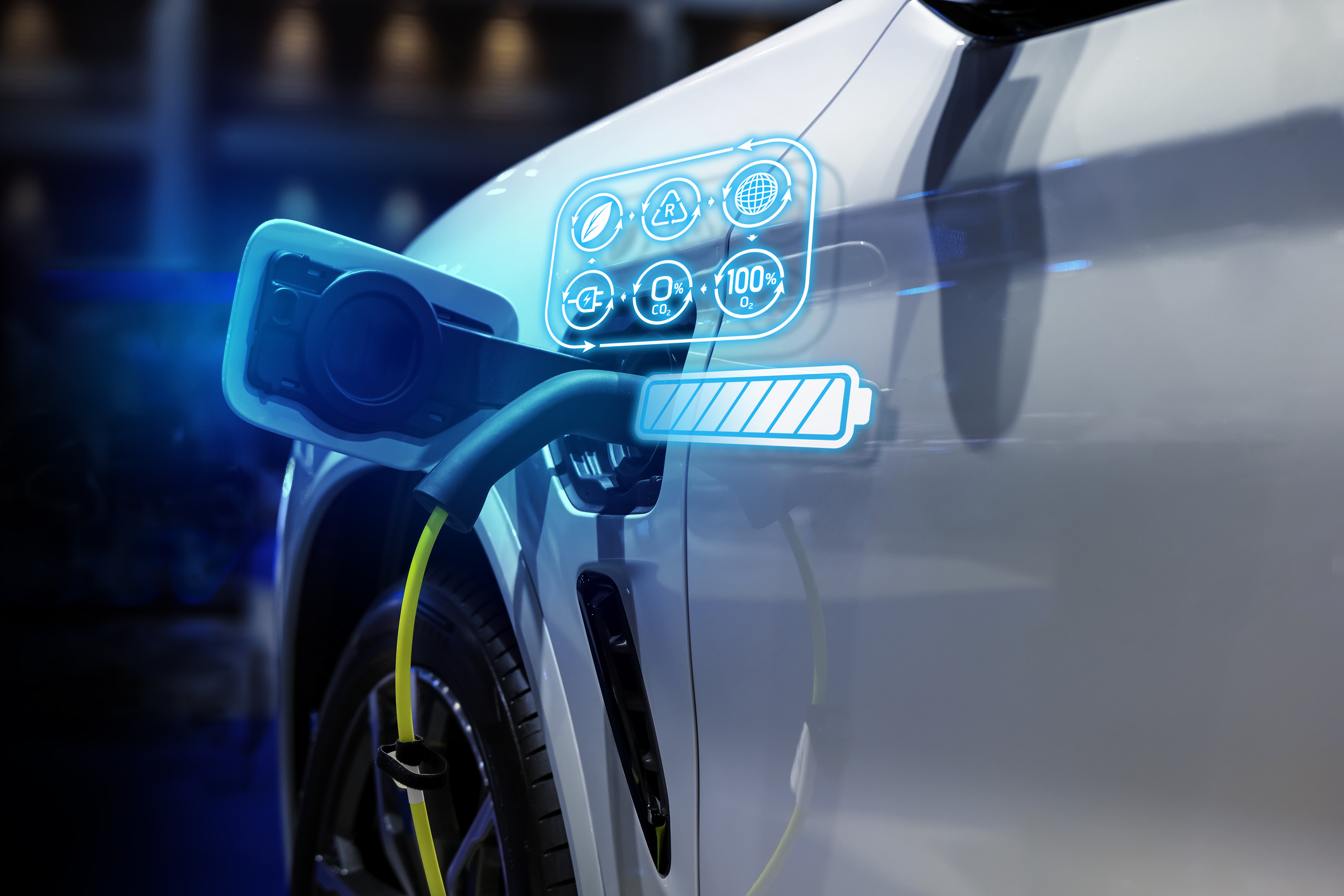
Indonesia has decided to focus its electric vehicle (EV) incentives on local brands, prioritising its domestic market in its goal to transition to clean energy.
Local focus
On 2 August, the Indonesian government announced a new financial incentive policy. The policy will prioritise local EV brands and manufacturers to stimulate the domestic EV market. Despite the policy’s strong intentions, the government has not yet clarified what it means by “local brands.” This may refer to Indonesia-based manufacturers or companies that produce EVs with a high level of domestic components (TKDN).
Institute for Development of Economics and Finance (Indef) Executive Director Esther Sri Astuti commented that this policy will “stimulate growth” for the local industry and encourage citizens to switch to clean energy vehicles.
Astuti highlighted the progress of Indonesia’s local talent in the automotive industry, as demonstrated by EV programs hosted by several universities. She noted that it is important to support these activities to encourage domestic EV production and development.
“Diponegoro University is able to produce EVs, albeit only for limited campus purposes. Therefore, it is important to support domestic production because Indonesia has the human resources capable of achieving it,” she explained.
Astuti also urged the government to extend current EV manufacturing incentives to boost local production, specifically for vehicles adhering to Indonesia’s policy on domestic components.
Powering up
In addition to developing local talent, Astuti suggested that Indonesia needs to strengthen its domestic EV supply chain. She explained that the local supply chain can be bolstered by attracting more investment, specifically for battery manufacturing.
However, a report by Antara News revealed that Indonesia will not prioritise EVs powered by lithium iron phosphate (LFP) batteries. According to the article, “Indonesia lacks the raw materials needed to manufacture them.” Instead, the country’s focus will shift to nickel-based EV batteries, maximising its large natural nickel reserves.
Indonesia’s Finance Minister, Purbaya Yudhi Sadewa, said that the government is “preparing” EV policies to encourage EV and electric motorcycle production. The government’s goal is to produce 100,000 EVs and 100,000 electric motorcycles by the end of the year.
Did you find this article interesting? Click the ‘heart’ button above to give it a ‘like’!