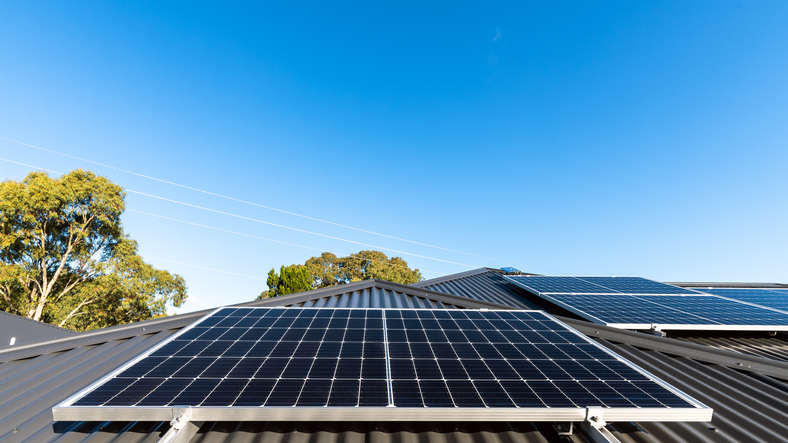
Honda Malaysia installed 8,960 solar panels, worth MYR 14 million (AUD $4.9 million), on the rooftops of its manufacturing hub in Melaka.
Solar-powered steps
Honda Malaysia commemorated its installation of 8,960 solar panels and a battery energy storage system (BESS) at its Melaka plant. The installation of these renewable energy assets marked a significant step forward for Honda and its sustainability goals. The Japanese carmaker aims to achieve carbon neutrality for all products and global corporate activities by 2050.
“The completion of this solar power project marks an important milestone in Honda Malaysia’s sustainability journey. Beyond reducing our environmental footprint, it reflects our commitment to responsible manufacturing and our aspiration to contribute towards a carbon-neutral future,” said Narush Yazaki, Honda Malaysia MD and CEO during the commemoration ceremony.
Honda Malaysia’s solar panel project was a fully self-funded venture. Collectively, all 8,960 solar panels can generate up to 7,042 megawatt hours (MWh) annually, reducing the facility’s total carbon emissions by approximately 10 per cent per year. This effectively decreases the plant’s reliance on grid power and allows the facility to operate on renewable energy.
The BESS
Supporting the solar panels is the addition of a BESS to the Melaka plant. The BESS will store excess energy generated by the solar panels during the day. If needed, the plant may use the stored energy from the BESS to maintain power and continue operations.
According to Honda Malaysia, the company is a “pioneer among the country’s industrial electricity consumers.” In addition to its Melaka plant, Honda Malaysia is set to install solar panels and a BESS in its Bukit Jelutong warehouse by 2027.
Thanks to the Melaka plant’s solar panels and BESS, Honda Malaysia achieved a 3.07-star rating under the Climate and Sustainability Industry Readiness Index (COSIRI).
Aside from its solar energy projects, Honda Malaysia has also integrated green practices into its dealership network, such as rainwater harvesting and promoting proper battery disposal.
Did you find this article interesting? Click the heart button above to give it a ‘like’!