
Thailand’s electric vehicle (EV) industry will receive two separate forms of support; a THB 16 billion investment from Mitsubishi and a partnership with China to ramp up local EV production.
Mitsubishi’s investment
Legacy carmaker Mitsubishi plans to invest THB 16 billion (AUD $681 million) in Thailand’s EV industry by 2030. According to government spokesperson Lalida Perisvivatana, the investment will be used to develop EV technology within the local industry.
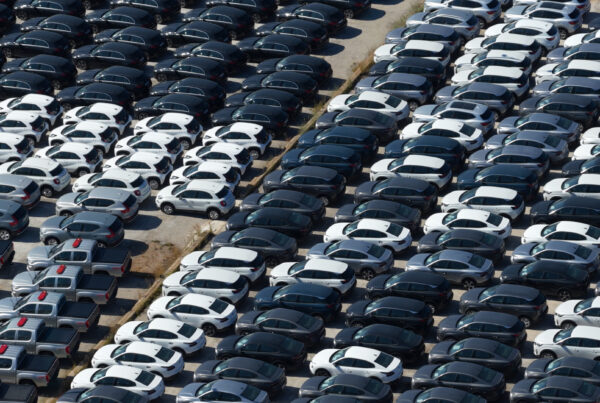
Furthermore, Mitsubishi intends to make Thailand a manufacturing hub. The company is currently exploring options, especially for the production and import of pick-up trucks. Thailand is set to be the production base of Mitsubishi’s returning Pajero model and its electric variant.
Addressing the gap
During the Intelligent EV Industry CXO Forum, the partnership between the two countries was explained by various speakers. The objective of the partnership is a deeper integration of EV support infrastructure, smart driving features, automotive artificial intelligence (AI), local production, and worker training.
One of the event speakers, Huawei Technologies Thailand Chief Executive Officer (CEO) David Li explained during his talk that the next phase of technology for the automotive industry is “intelligent transformation.” This refers to features such as smart cockpits and in-car AI.
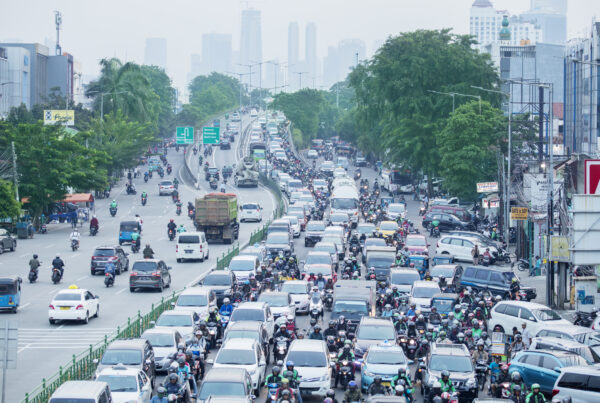
Li highlighted Thailand’s strength as a global automotive manufacturing hub and effective EV policies. At the same time, the CEO pointed out that Thailand has not yet fully adopted autonomous driving technology. Additionally, the country’s existing EV charging network is not widely available, especially on highways and other areas outside major cities. Connected-car services that allow vehicles to access the internet and in-car entertainment remain limited, unable to fully utilise Thailand’s 5G data network.
Li emphasised that Thailand’s integration of these features will not be solely solved car manufacturers but requires “cross-industry cooperation.”
Thailand and China’s partnership
The crux of the collaboration is to develop Thailand’s capacities as a fully electric country and EV production hub to its full potential by addressing current gaps between its current capabilities and the next phase of automotive intelligence.
While Chinese car makers take advantage of Thailand’s production capabilities, they will also invest in accelerating Thailand to its goal of becoming a global EV production and export hub. China’s available EV technology and investment have the potential to transform both Thailand’s EV industry and the country’s integration of intelligent driving.
Did you find this article interesting? Click the heart button above to give it a ‘like’!