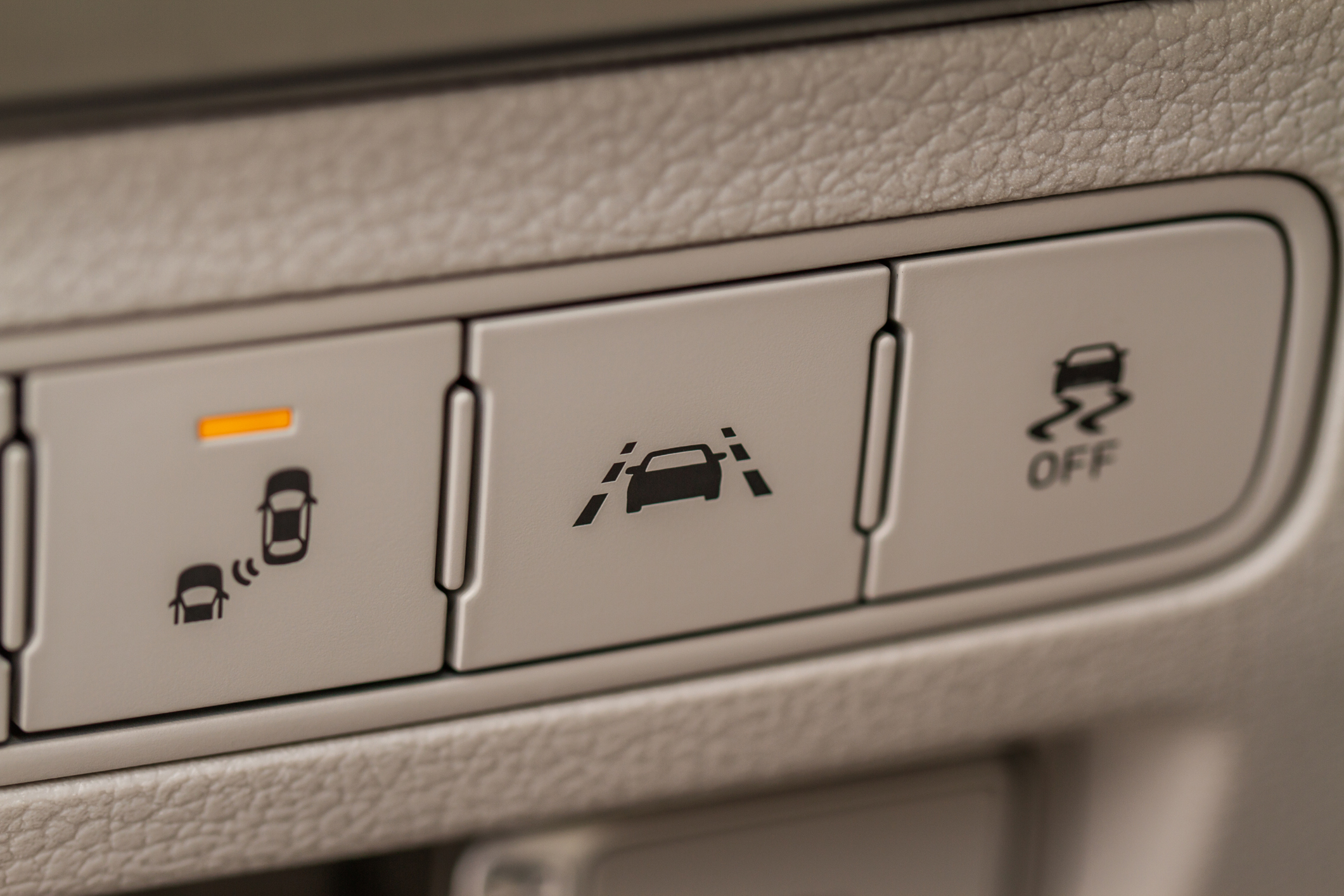
Lane-keeping technology and expanded autonomous emergency braking will become mandatory on new passenger and light-commercial vehicles in Australia under new safety requirements taking effect from 2028.
Newly introduced models will be required to comply from 1 March 2028, with the requirements extending to all applicable new vehicles imported to Australia from 1 March 2029.
The changes will require emergency lane-keeping systems that are designed to intervene when a vehicle unintentionally leaves its lane, while autonomous emergency braking (AEB) requirements will expand to include cyclist detection.
Vehicles imported before the March 2029 deadline can continue to be sold after the requirements take effect, while vehicles already on Australian roads will not be affected.
New requirements target lane departure crashes
The emergency lane-keeping requirement will apply to passenger cars, utes and vans with a Gross Vehicle Mass (GVM) below 3.5 tonnes.
The new Australian Design Rule, ADR 107/00, has been developed in alignment with international requirements, including United Nations regulations governing emergency lane-keeping systems.
During earlier consultation on the proposal, the Federal Government cited Monash University Accident Research Centre data indicating that unintended lane departures were involved in 42 per cent of fatal crashes on Australian roads.
Lane-keeping technology was initially proposed for mandatory introduction in 2021, with requirements originally expected to begin in 2024 for newly introduced vehicles. Implementation was subsequently delayed following issues raised during consultation, including how vehicles developed for overseas markets recognise Australian lane markings.
At the time of the original proposal, the Federal Government estimated the technology could reduce fatal light-vehicle crashes by 11.9 per cent and, over 35 years, save 6,989 lives while preventing 23,648 serious and 7,385 minor injuries.
Cyclist detection added to AEB requirements
Australia’s AEB requirements will also expand to require systems capable of detecting cyclists and responding to an imminent collision.
AEB capable of detecting other vehicles is already mandatory for new light vehicles, while AEB pedestrian detection requirements are taking effect from August 2026.
Both technologies are already fitted to many vehicles sold in Australia and are among the safety features considered in ANCAP assessments. However, the presence of lane-keeping or AEB technology on a vehicle does not necessarily mean the system meets the performance requirements set by the new regulations.
ANCAP’s latest testing protocols also assess how lane-keeping systems interact with drivers, including steering response and the amount of effort required for a driver to override an intervention.
Heavier vehicles excluded from new requirement
Utes and vans with a GVM of 3.5 tonnes or more will not be required to have emergency lane-keeping technology under the new rule.
These vehicles, along with light trucks, remain subject to other safety requirements, including AEB with vehicle detection. From 2028, they will also require lane departure warning technology that alerts the driver when the vehicle leaves its lane rather than actively steering it back into position.
Did you find this article interesting? Click the ‘heart’ button above to give it a like!