Workers at Hyundai’s largest production facility in Ulsan, South Korea began a strike in response to the company’s deployment of humanoid robots.
The first strike
A union of workers from Hyundai Motors’ Ulsan plant began a three-day protest last week. Hyundai’s Ulsan plant produces an estimated 50 per cent of the company’s global vehicle production.
The Wall Street Journal specifically touted the incident as “the car industry’s first factory stoppage addressing humanoid robots.” Forbes called it “the first-ever humanoid robot induced strike.”
Deploying Atlas
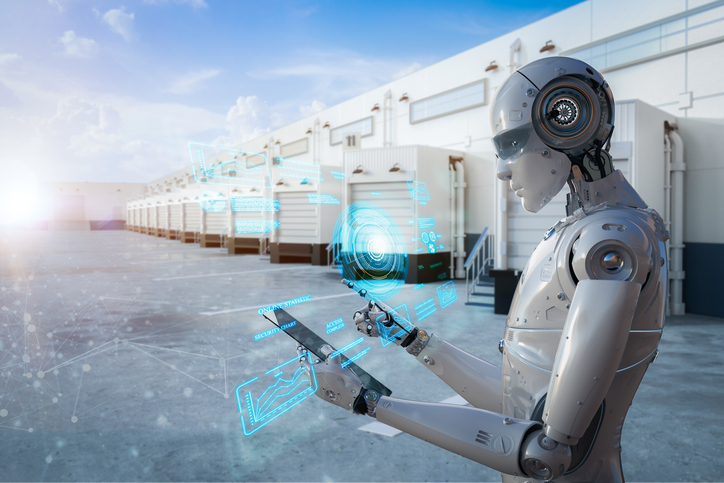
The trigger for the strikes is Hyundai’s planned deployment of the Atlas humanoid robots. Created by Boston Dynamics, the Atlas model is a bipedal robot that stands six feet tall with a carrying capacity of more than 100 lb (45 kg).
Each Atlas model costs USD 130,000 (AUD $185,563). According to an expert interviewed by Bloomberg, each Atlas robot will be able to “pay for itself” within two years. Analysts from Macquarie Securities shared that operational costs per robot could eventually fall below US minimum wage, making them a cheaper labour option for companies.
Ars Technica reported that Hyundai Motors will deploy 25,000 units of the Atlas robot across its plants for both Hyundai and Kia vehicles. Though no specific timeline has been released yet, Hyundai will eventually deploy these robots in its US factories by 2028.
Negotiations
The 35,000 workers represent the Hyundai Motors branch of the Korea Metal Workers’ Union. So far, the workers have planned and executed a series of partial strikes depending on the outcome of the negotiations, the workers have also refused to work overtime on weekdays and weekends.
The initial protest began on 13 July, with workers prematurely ending shifts by two hours. The protest lasted until the 14 July but were extended and escalated when Hyundai and the union did not come to an agreement after 15 rounds of negotiations.
According to the union, Hyundai Motors did not revise its offer or ask to restart talks between the parties. However, should Hyundai Motors formally request that negotiations to resume, the union will suspend its scheduled strikes.
Tensions escalate
After both parties failed to reach an agreement, the workers escalated strikes on the 20th by staging four-hour walkouts. Workers from the morning shift will halt operations from 10:50 am to 3:30 pm, while those from the evening shift will do so from 7:30 pm to 12:10 am. In total, this amounts to eight hours of work stoppage per day.
If the strikes continue, industry experts estimate financial losses worth KRW 650 billion (AUD $628 million) in revenue and production losses of 15,000 vehicles. These estimates are based on a workers’ partial strike last year that resulted in 7,000 affected vehicles and KRW 300 billion (AUD $289 million) in sales losses.
Workers’ demands
The terms the workers are seeking the following:
- Converting hourly pay to a basic fixed monthly salary
- Monthly base-pay increase worth KRW 149,600 (AUD $143), excluding seniority-based pay raises
- Bonuses equal to 800 per cent of their salary
- Increase in retirement age from 60 years old to 65
- Performance bonuses equal to 30 per cent of Hyundai Motors’ 2025 net profit
- KRW 10 million cash (AUD $9,670)
- 15 company shares per employee
- No deployment of Atlas robots unless Hyundai Motors and the union reach an agreement
Korean media has reported that informal discussions are still ongoing between the two parties. The end of the strike and the Union’s terms will depend on its review of its discussions with Hyundai Motors.
Did you find this article interesting? Click the heart button above to give it a ‘like’!