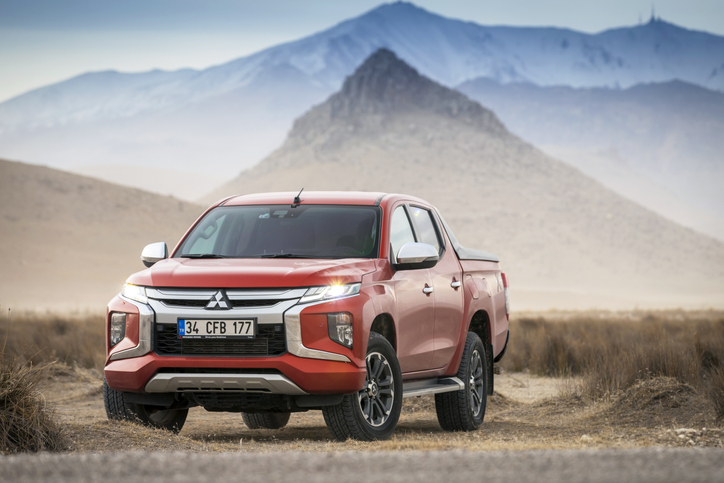
The National Transport Research Organisation (NTRO) is calling on the federal government to strengthen import standards for large utes entering the market.
The push comes as sales of US-style pick-up trucks continue to climb, raising concerns that existing regulations may not adequately reflect the size, weight and design of newer models.
NTRO chief executive Michael Caltabiano said the growing popularity of these vehicles highlights the need for updated safety requirements.
“They’re so high off the ground,” he said. “The bonnet sits so high that a child of 10 years old or younger cannot be seen.
“They’re three to four-tonne vehicles, [which are] still regarded as passenger vehicles, C-class licence only required.”
Caltabiano is urging policymakers to move faster on tightening import criteria to ensure only vehicles with modern safety technologies are allowed into the country.
“There are safety requirements, and the federal government currently is working on an international working group to standardise what that looks like,” he said.
“[But] we’ve got to get to a point much, much quicker where we’re only importing vehicles with the latest safety technology to keep Australians safe.”
Growth in large ute sales
Data from the Australasian New Car Assessment Program (ANCAP) shows sales of large utes have surged by 270 per cent since 2019, reflecting growing consumer demand for bigger vehicles.
However, the increase has also drawn attention to safety performance, particularly for pedestrians and other road users. International data cited by ANCAP indicates higher risks associated with taller, heavier vehicles, especially in urban environments.
Gaps in current regulations
One of the key concerns raised by safety bodies is how these vehicles are classified under existing rules. Some large utes are treated as commercial vehicles, which can mean fewer regulatory requirements compared to passenger cars.
ANCAP Chief Executive Carla Hoorweg said this classification affects how minimum safety standards are applied.
“That’s because they’re not really a passenger car. They’re a commercial vehicle, in terms of the way things get categorised by the government,” she said.
“Where regulation comes in … it sort of kicks up the bottom performers and sets a minimum threshold for them to perform to.”
Broader safety considerations
Beyond vehicle design, the NTRO has also raised concerns about how larger utes interact with existing road infrastructure.
“The big utes will actually punch through our existing W-Beam barriers and will overrun the existing wire-rope barriers,” Caltabiano said.
“They’re bigger, they’re faster, they’re heavier, and they’re punching through road crash barriers.”
Government response
The federal government maintains that all imported vehicles must meet national standards under the Road Vehicle Standards framework.
A spokesperson from the Department of Infrastructure said regulations are reviewed regularly to ensure vehicles remain safe, secure and fit for purpose.
With sales continuing to rise, the NTRO argues that current settings may not be sufficient to address emerging risks. The organisation is calling for faster policy action to align import standards with modern vehicle design and safety expectations.
Did you find this article interesting? Click the ‘heart’ button above to give it a ‘like’!